
Your Read is on the Way
Every Story Matters
Every Story Matters
The Hydropower Boom in Africa: A Green Energy Revolution Africa is tapping into its immense hydropower potential, ushering in an era of renewable energy. With monumental projects like Ethiopia’s Grand Ethiopian Renaissance Dam (GERD) and the Inga Dams in the Democratic Republic of Congo, the continent is gearing up to address its energy demands sustainably while driving economic growth.
Northern Kenya is a region rich in resources, cultural diversity, and strategic trade potential, yet it remains underutilized in the national development agenda.

Can AI Help cure HIV AIDS in 2025

Why Ruiru is Almost Dominating Thika in 2025

Mathare Exposed! Discover Mathare-Nairobi through an immersive ground and aerial Tour- HD

Bullet Bras Evolution || Where did Bullet Bras go to?
In a striking pivot from standard immigration enforcement, the Dominican Republic has converted its public hospitals into frontline checkpoints. On a seemingly routine Monday, more than 130 women and children—mostly Haitian—were removed from Dominican medical facilities. This operation was not a spontaneous act of state vigilance; rather, it was the opening salvo of President Luis Abinader’s controversial new directive to curb the presence of undocumented migrants in spaces traditionally viewed as humanitarian sanctuaries.
The women, many pregnant or postpartum, along with their children, were ushered out after receiving care. The government assured the public that deportations occurred only after hospital discharge and confirmed the health of all involved. Yet, this calm procedural tone belied the quiet chaos experienced by those who now faced an uncertain return to a nation mired in violence and institutional collapse.
The measure has reignited fierce debates around the ethics of immigration enforcement versus the provision of essential services. Medical associations in the country have decried the actions as bordering on cruelty, arguing that the policy will deter undocumented migrants from seeking urgent care, potentially turning hospitals into zones of fear rather than healing.
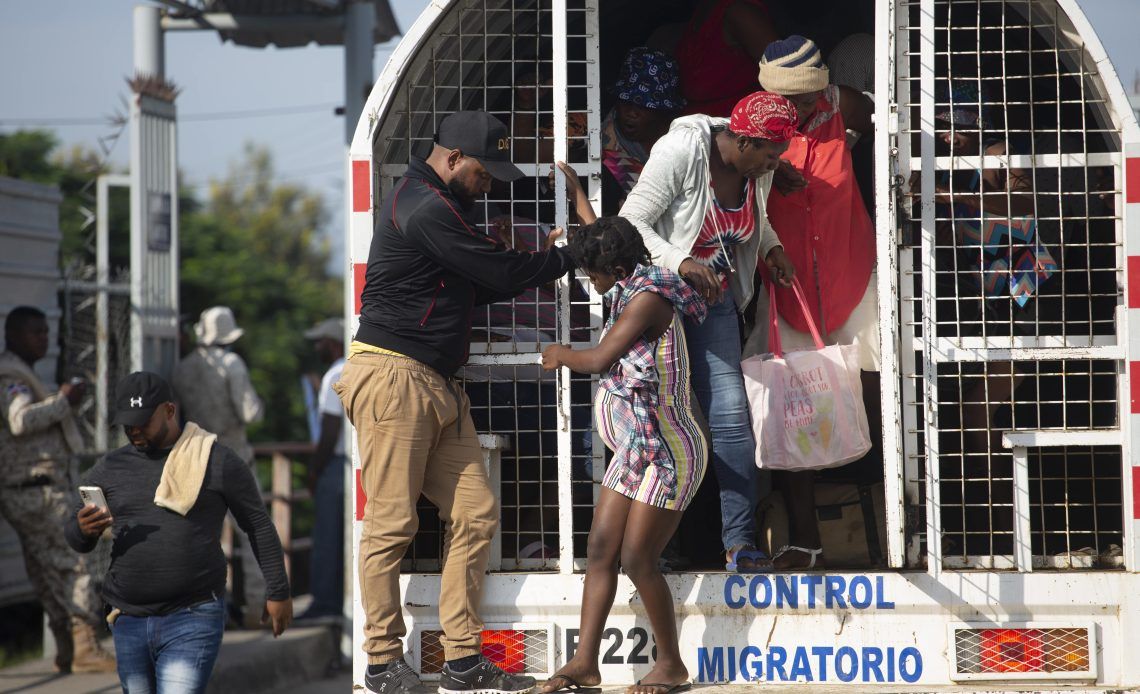
For many Haitians, crossing into the Dominican Republic is not a choice made lightly. It is often an escape from unlivable conditions—gang-controlled neighborhoods, collapsed infrastructure, and shuttered hospitals. The Dominican Republic, though politically distant from Haiti’s unrest, is geographically tethered to its chaos. But with an influx of nearly half a million Haitian migrants and rising birth rates among Haitian mothers in Dominican facilities, public sentiment has shifted. Resources feel strained, and compassion is wearing thin.
This latest sweep was only the beginning. It falls under one of fifteen policy shifts recently announced by President Abinader to enforce immigration laws more rigorously. Hospitals are now required to ask for identification and legal status before admitting patients. Those lacking proper documentation will be allowed to receive treatment—but are marked for deportation immediately afterward.
Supporters of the policy frame it as a matter of national sovereignty and fiscal responsibility. They argue that the Dominican Republic cannot shoulder the burden of Haiti’s humanitarian collapse. Critics, meanwhile, warn of an emerging form of structural violence—where basic healthcare becomes a lever for exclusion.
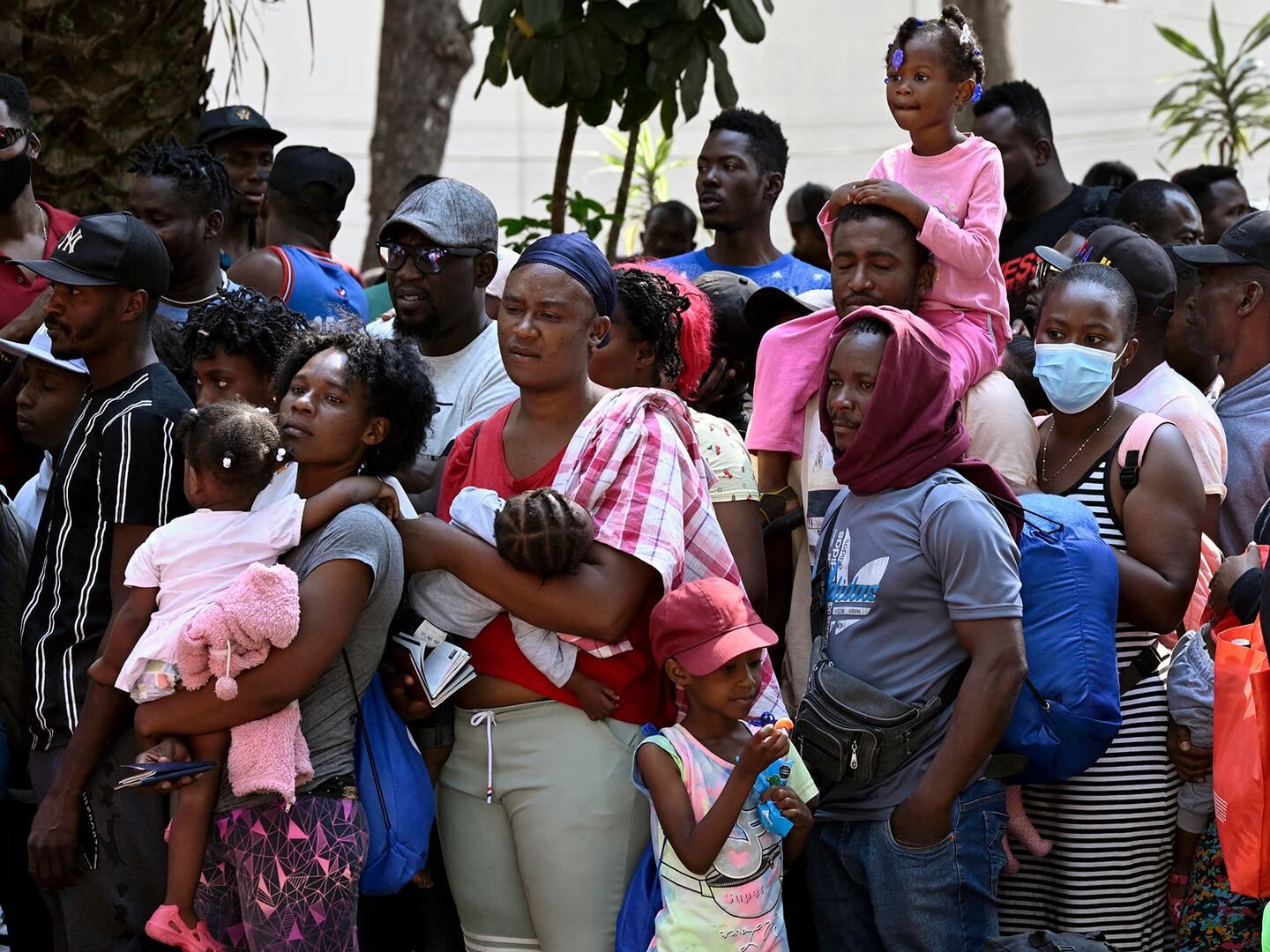
What is unfolding is not just an immigration crackdown—it is the redrawing of the border between two nations into spaces previously untouched by politics: hospitals, clinics, and maternity wards. For the women and children deported this week, the border was not a distant line—it was a hospital bed turned checkpoint.
While officials insist the deportees were treated with “dignity,” rights organizations and observers question the moral cost of such actions. Luxury buses and biometric screenings may lend a veneer of civility, but they mask a deeper issue: when care becomes conditional, who gets to decide who is worthy of it?
The Dominican Republic’s policy shift comes at a time when Haiti is teetering on collapse. With over 5,600 killed in gang violence in 2024 alone and many healthcare centers forced to close under threat of armed takeover, migration is not simply economic—it is existential. Yet, Dominican leadership is drawing a firm line in the sand, asserting, “Generosity will not be exploited.”
That line now cuts through maternity wards, clinics, and emergency rooms. And behind it, a quieter war is being waged—not with weapons, but with policies that determine who can access safety, and who must be turned away.





0 comments