
Your Read is on the Way
Every Story Matters
Every Story Matters
The Hydropower Boom in Africa: A Green Energy Revolution Africa is tapping into its immense hydropower potential, ushering in an era of renewable energy. With monumental projects like Ethiopia’s Grand Ethiopian Renaissance Dam (GERD) and the Inga Dams in the Democratic Republic of Congo, the continent is gearing up to address its energy demands sustainably while driving economic growth.
Northern Kenya is a region rich in resources, cultural diversity, and strategic trade potential, yet it remains underutilized in the national development agenda.

Can AI Help cure HIV AIDS in 2025

Why Ruiru is Almost Dominating Thika in 2025

Mathare Exposed! Discover Mathare-Nairobi through an immersive ground and aerial Tour- HD

Bullet Bras Evolution || Where did Bullet Bras go to?
South Korea’s political landscape took a dramatic turn as a court overturned the arrest of ousted President Yoon Suk Yeol, setting the stage for a legal and political showdown. Yoon, who had declared martial law in a last-ditch attempt to maintain control, now awaits trial on charges of insurrection—while his impeachment fate remains undecided. The ruling by the Seoul Central District Court has ignited fierce debate, with some viewing it as a technical reprieve and others as a blatant undermining of justice.
The court based its decision on what it called "procedural flaws" in the handling of Yoon’s detention, arguing that the prosecution’s case had been mishandled from the outset. While the ruling technically paves the way for his potential release, it does not absolve him of the serious charges he faces, nor does it impact the ongoing impeachment trial in the Constitutional Court. Yoon’s opponents argue that this decision reflects deeper issues within the judiciary, while his supporters claim it proves the case against him was politically motivated.
Yoon’s arrest followed his controversial December 3 declaration of martial law, a move widely condemned as an unconstitutional power grab. The order, which was swiftly overturned by Parliament six hours later, sent shockwaves through the nation, leading to his removal from office and the impeachment of his prime minister. While Yoon insists he only acted to prevent “anti-state” elements from undermining national stability, critics argue that his actions were a direct attack on South Korea’s democracy. The fallout has left the country in turmoil, with public trust in government institutions at an all-time low.
Protests erupted across Seoul following the court’s decision, with both Yoon’s supporters and detractors taking to the streets. “This is a fight for democracy,” declared Yoo Seong-min, a 31-year-old anti-Yoon protester, who accused the court of bowing to political pressure. Meanwhile, Lee Yoon-nam, a pro-Yoon demonstrator, countered, “Our president has suffered a great injustice. This proves his arrest was a sham from the beginning.” The growing unrest is adding to the sense of political instability, as many fear that the country could spiral into deeper division.
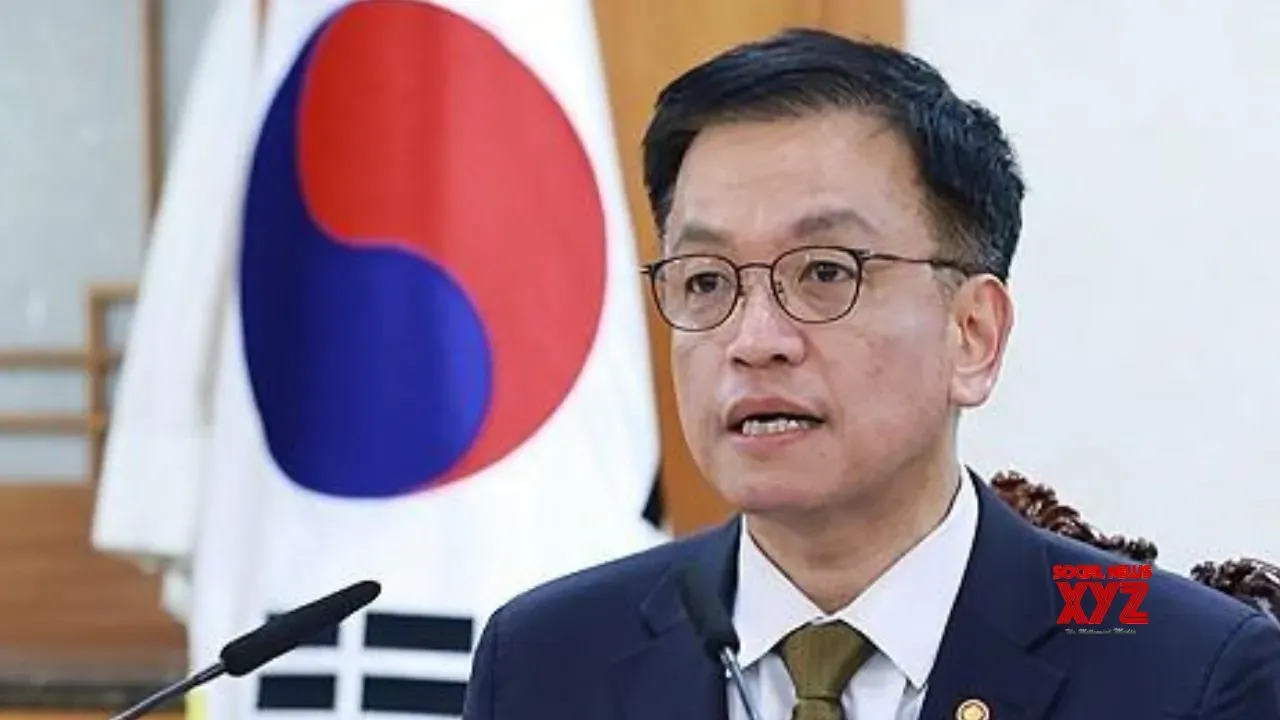
Amid the chaos, Finance Minister Choi Sang-mok has stepped in as interim head of state, seeking to stabilize financial markets and reassure South Korea’s international allies. However, with the impeachment trial still underway, the nation faces an uncertain future. If the Constitutional Court rules to remove Yoon permanently, South Korea will be forced into a snap presidential election within 60 days. The prospect of a sudden election has only added to the tension, as rival political factions scramble to position themselves for power.
Yoon’s legal team insists that his arrest was politically motivated, arguing that the prosecution deliberately misinterpreted his martial law order to paint him as a dictator. They also claim that the Corruption Investigation Office for High-Ranking Officials, which led the first phase of the case against Yoon, lacked the legal authority to pursue insurrection charges. However, prosecutors maintain that Yoon’s actions amounted to an attempted coup, citing secret military directives that suggested a broader crackdown was in the works. With no clear precedent for such a case in modern South Korean history, legal experts remain divided on whether Yoon’s trial will lead to a conviction.
Despite the court’s ruling, Yoon’s fate remains uncertain. While his supporters believe he may eventually be reinstated, his political enemies are determined to ensure he never returns to power. The impeachment trial is expected to conclude within weeks, and its outcome could define the country’s political future. If Yoon is permanently removed from office, it could open the door for new leadership, potentially reshaping South Korea’s political landscape for years to come. However, if he survives the trial, he could attempt a dramatic political comeback, further deepening the nation’s divide.
As South Korea grapples with the aftermath of its biggest political crisis in decades, one question remains: Was Yoon a misunderstood leader, unfairly targeted by his opponents, or a desperate ruler who gambled on power and lost? The coming weeks will determine not just Yoon’s fate, but the very future of South Korea’s democracy.






0 comments