
Your Read is on the Way
Every Story Matters
Every Story Matters
The Hydropower Boom in Africa: A Green Energy Revolution Africa is tapping into its immense hydropower potential, ushering in an era of renewable energy. With monumental projects like Ethiopia’s Grand Ethiopian Renaissance Dam (GERD) and the Inga Dams in the Democratic Republic of Congo, the continent is gearing up to address its energy demands sustainably while driving economic growth.
Northern Kenya is a region rich in resources, cultural diversity, and strategic trade potential, yet it remains underutilized in the national development agenda.
Can AI Help cure HIV AIDS in 2025

Why Ruiru is Almost Dominating Thika in 2025

Mathare Exposed! Discover Mathare-Nairobi through an immersive ground and aerial Tour- HD

Bullet Bras Evolution || Where did Bullet Bras go to?
In a resounding diplomatic achievement, Kenya has been elected to the United Nations Tourism Executive Council for the 2025–2029 term. The announcement was made at the Second UN Tourism Africa and Americas Ministerial Summit held in Livingstone, Zambia.
The East African nation outperformed competitors Thailand and Malta in a hotly contested vote, underlining its rising profile in international tourism governance. The win is not just symbolic—it places Kenya at the heart of global tourism decision-making, granting it the opportunity to influence major industry policies and trends over the next four years.
The UN Tourism Executive Council is the second-highest decision-making body within the organization, following the General Assembly. It plays a critical role in setting global tourism agendas, ratifying strategies, and approving the organization's direction.
For Kenya, being on this council is more than just global recognition—it is a chance to shape tourism policy at a strategic level, affecting travel dynamics across continents. According to Tourism and Gender Cabinet Secretary Rebecca Miano, the appointment is a major milestone in Kenya’s diplomatic and economic journey.
With this new position, Kenya is pledging to push for tourism models that are not only economically viable but also sustainable, inclusive, and digitally empowered. CS Miano noted that Kenya will use its seat to champion easier visa access, stronger cross-border travel policies, improved air connectivity, and the expansion of eco-tourism.
Kenya's pitch is focused on a tourism future that leaves no one behind—where rural communities, conservation zones, and youth-led innovation can all thrive. The emphasis on digital transformation is especially critical as the global industry embraces smart travel solutions post-pandemic.
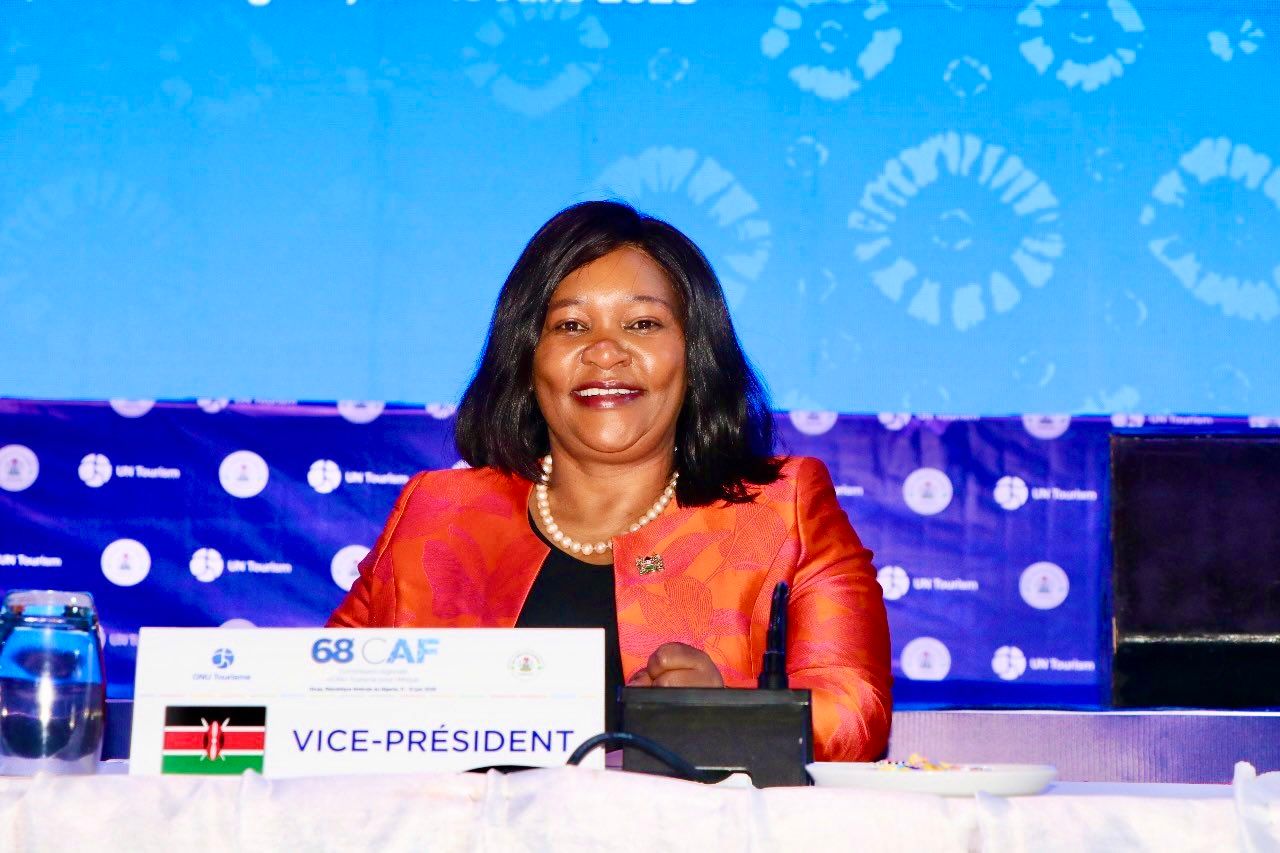
Kenya’s election did not happen in a vacuum. Over the past decade, the country has become a model for community-based tourism, heritage preservation, and wildlife conservation. It has actively participated in numerous UN Tourism committees, gaining a reputation as a forward-thinking and cooperative partner.
Nairobi’s aggressive digital reforms and sustainable tourism initiatives have made it a case study for others in the region. These efforts laid the groundwork for its successful bid for the council seat.
The victory has been met with widespread celebration across Kenya, with both citizens and leaders acknowledging the Ministry’s effort in elevating Kenya’s tourism brand. Beyond the technical role, this seat reinforces Kenya’s global identity as a tourism powerhouse and adds diplomatic weight to its voice in matters beyond the travel industry.
In a world where tourism is deeply linked to investment, climate change, and international cooperation, this win has the potential to unlock far-reaching benefits.
Kenya’s role will also serve as a lever for regional development. The country aims to promote policies that enhance intra-African travel, reduce bureaucratic bottlenecks, and support regional economic blocs.
By advancing African voices at the council level, Kenya hopes to drive collective growth in a sector that remains underexploited across the continent. CS Miano affirmed the country's commitment to shaping a resilient, sustainable, and inclusive global tourism future.





0 comments