
Your Read is on the Way
Every Story Matters
Every Story Matters
The Hydropower Boom in Africa: A Green Energy Revolution Africa is tapping into its immense hydropower potential, ushering in an era of renewable energy. With monumental projects like Ethiopia’s Grand Ethiopian Renaissance Dam (GERD) and the Inga Dams in the Democratic Republic of Congo, the continent is gearing up to address its energy demands sustainably while driving economic growth.
Northern Kenya is a region rich in resources, cultural diversity, and strategic trade potential, yet it remains underutilized in the national development agenda.

Can AI Help cure HIV AIDS in 2025

Why Ruiru is Almost Dominating Thika in 2025

Mathare Exposed! Discover Mathare-Nairobi through an immersive ground and aerial Tour- HD

Bullet Bras Evolution || Where did Bullet Bras go to?
The desert wind carries whispers of both hope and despair, echoing through streets lined with ruins. A ceasefire that was supposed to mark the beginning of reconciliation has instead turned into a fragile, temporary truce that could shatter at any moment. In dimly lit negotiation rooms, diplomats and military leaders sit across from each other, the weight of generations-old conflict resting on their shoulders. The question looming over the talks is no longer what will it take to achieve peace but who will break first.
Once again, opposing factions refuse to concede an inch. The demand for a full military withdrawal clashes with fears of insurgency. Promises of prisoner exchanges falter as both sides argue over numbers. Meanwhile, the civilians trapped in the middle have nothing but uncertainty.
The international community, watching from afar, is running out of patience. Major powers have issued warnings that if an agreement is not reached soon, their involvement could shift from negotiation to action. Whether that means sanctions, military intervention, or cutting diplomatic ties remains unclear. But one thing is certain. The conflict is no longer contained within its borders.
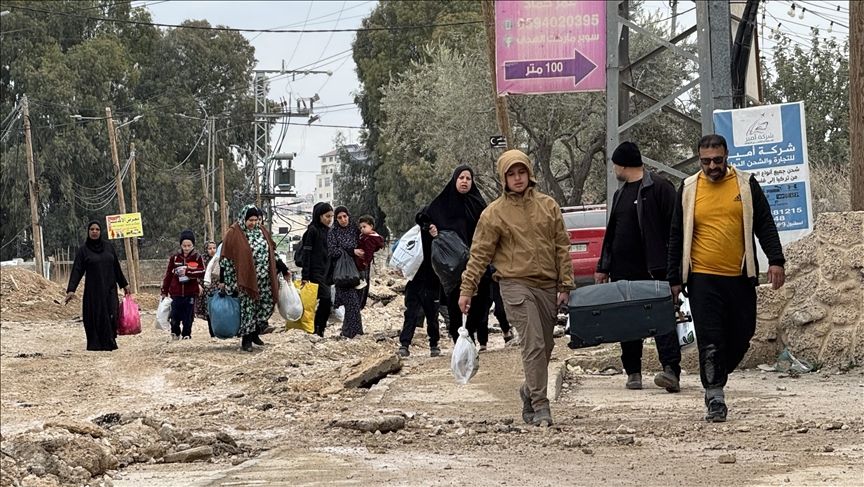
The ceasefire was meant to be implemented in phases. The first stage, a prisoner exchange, was completed with hesitation. Captives were released, some walking back to their homes, others only returning in body bags. The world held its breath, waiting to see if the second phase, a structured roadmap to peace, would follow. But instead of progress, the negotiations have collapsed into accusations and distrust.
Leaders from both factions know what is at stake, yet neither is willing to be the first to yield. The opposition demands the immediate removal of foreign troops, citing previous agreements. The ruling government, however, insists that any military withdrawal must be gradual, fearing that a sudden power vacuum will lead to chaos.
At the heart of the dispute lies the control of key cities, territories that both sides claim as their own. These cities hold strategic military significance, but they also symbolize decades of struggle. To cede control would be to admit defeat, and neither side is prepared to make that concession.
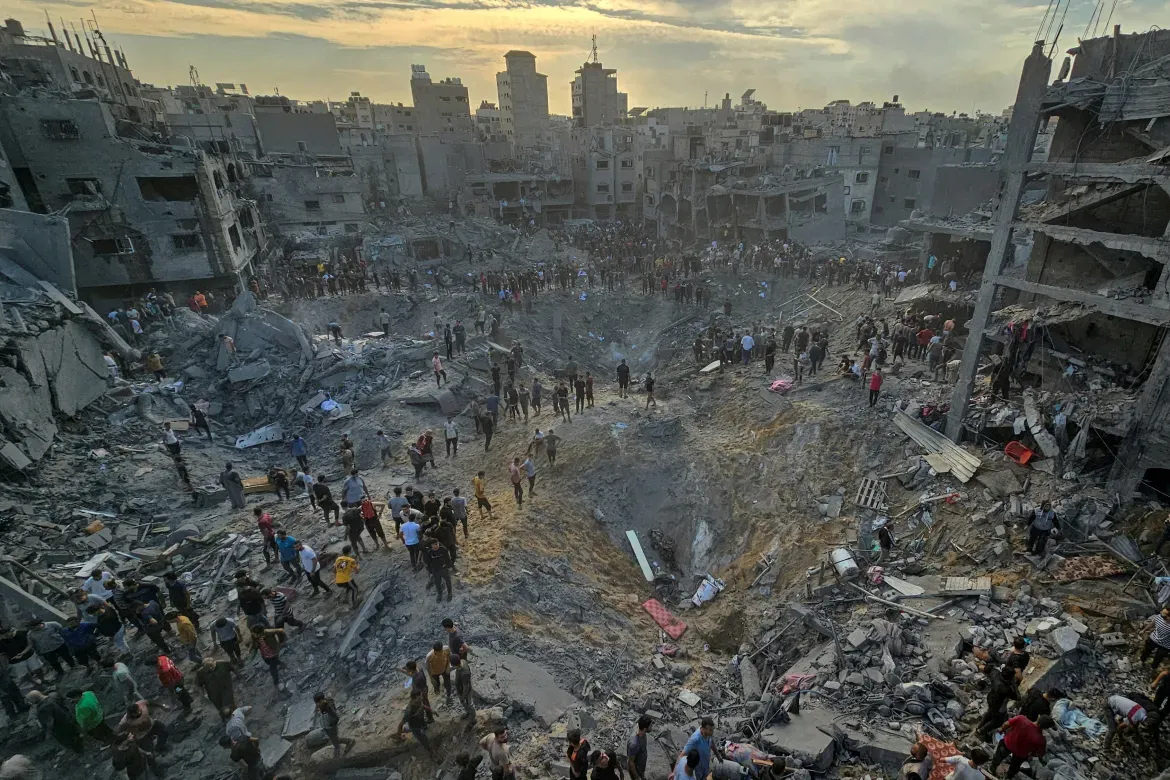
While leaders argue over land, power, and leverage, the people suffer. Makeshift refugee camps stretch across the landscape, housing families who have been displaced not once, but multiple times. Food is scarce, clean water even more so. Disease spreads quickly in overcrowded conditions, and without medical supplies, even minor illnesses become deadly.
International aid organizations struggle to deliver assistance, their efforts hindered by bureaucratic restrictions and security concerns. Convoys of humanitarian aid remain stuck at border crossings, tangled in political red tape. When aid does manage to reach the people, it is often not enough.
Yet, despite these hardships, life persists. In the midst of destruction, children still find ways to play. Market stalls continue to operate, albeit with limited goods. There is resilience in the face of suffering, but resilience has its limits.
As tensions rise, another complication throws negotiations into further disarray. A key figure in the ceasefire talks, a prominent leader known for his role in previous peace efforts, has gone missing. Speculation runs rampant. Some claim he was assassinated, others believe he defected, unwilling to be part of a doomed agreement. His absence leaves a vacuum in the peace process, one that neither side seems able to fill.
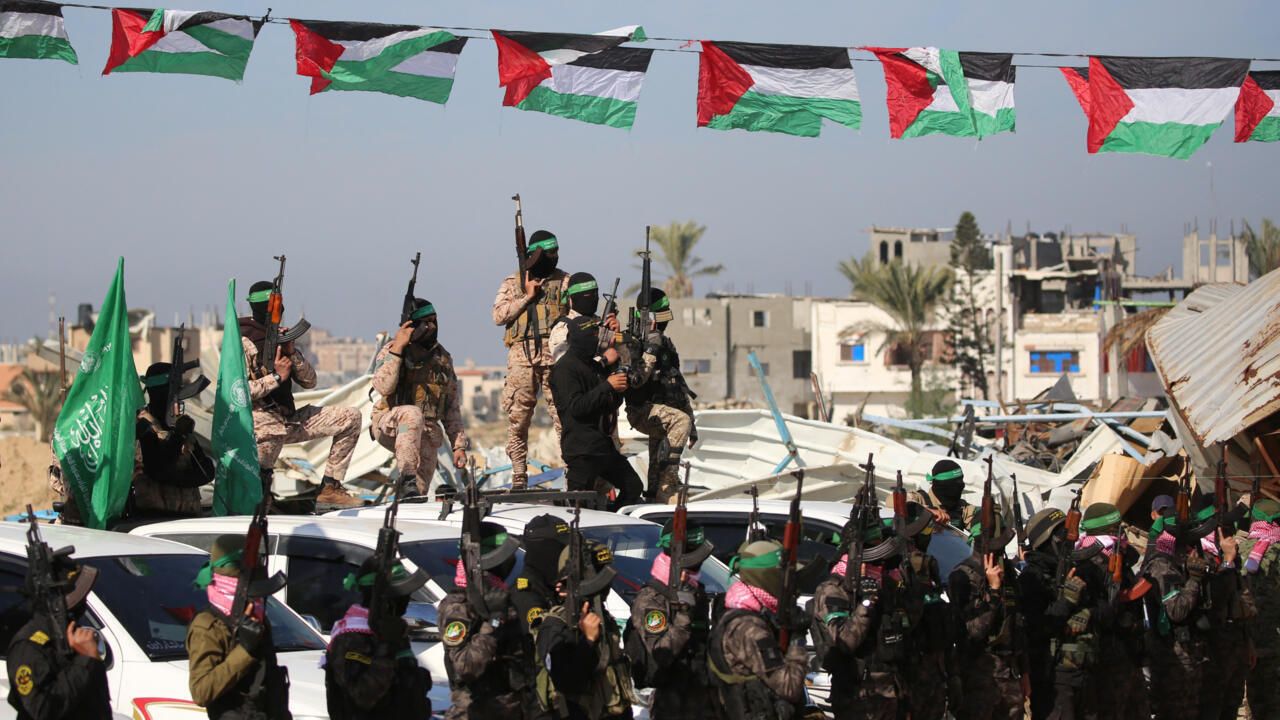
The opposition, seeing this as an opportunity, accuses the ruling faction of orchestrating his disappearance. In response, government officials deny involvement and shift the blame back onto their rivals. The cycle of accusations only deepens the mistrust that already threatens to destroy what little progress had been made.
As the clock runs out on the ceasefire deadline, the world braces for what comes next. If an agreement is not reached, renewed violence is almost certain. Both factions are prepared for this possibility. Troops have already begun mobilizing, and defense systems are being reinforced. Civilians fear the worst, knowing that if war resumes, it will be more devastating than before.
International mediators scramble for last-minute solutions, proposing compromises that are met with resistance. Some argue that the only way to enforce peace is through outside intervention, but history has shown that foreign involvement often does more harm than good.
One thing is clear. The fate of this region hangs by a thread. Will its leaders choose diplomacy, or will the world soon witness yet another chapter of destruction and loss?





0 comments