
Your Read is on the Way
Every Story Matters
Every Story Matters
The Hydropower Boom in Africa: A Green Energy Revolution Africa is tapping into its immense hydropower potential, ushering in an era of renewable energy. With monumental projects like Ethiopia’s Grand Ethiopian Renaissance Dam (GERD) and the Inga Dams in the Democratic Republic of Congo, the continent is gearing up to address its energy demands sustainably while driving economic growth.
Northern Kenya is a region rich in resources, cultural diversity, and strategic trade potential, yet it remains underutilized in the national development agenda.
Can AI Help cure HIV AIDS in 2025

Why Ruiru is Almost Dominating Thika in 2025

Mathare Exposed! Discover Mathare-Nairobi through an immersive ground and aerial Tour- HD

Bullet Bras Evolution || Where did Bullet Bras go to?
The Ministry of Health has officially unveiled the posting of 6,484 medical interns under the 2025/2026 internship cycle, marking a crucial development in Kenya’s push to build a more resilient and accessible public health system. Following months of anticipation and negotiations, the announcement comes as a long-awaited relief to thousands of pre-interns whose careers had been stalled by delays.
Health Cabinet Secretary Aden Duale, in a statement issued this week, confirmed that the internship programme will commence on July 1, 2025, offering a 12-month structured and supervised clinical training to newly qualified healthcare workers across the country. The initiative targets both urban referral hospitals and underserved rural health centres.
The ministry’s action is not merely a procedural rollout—it is a calculated move to address chronic staff shortages in Kenya's health sector. From congested casualty wards in Nairobi to underfunded rural dispensaries in Turkana and Kwale, the need for trained personnel has never been more urgent.
CS Duale emphasized that the programme would deliver not only hands-on clinical experience but also position interns as active contributors to national service delivery. “This milestone underscores the Ministry’s continued dedication to strengthening Kenya’s health workforce and developing a pipeline of skilled, hands-on professionals,” he said.
Interns will serve under close supervision from certified medical professionals to ensure compliance with medical standards and patient safety protocols. This real-world training is essential for eventual licensing and registration by professional regulatory bodies such as the Medical Practitioners and Dentists Council (MPDC) and Nursing Council of Kenya (NCK).
The allocation of internships has been guided by sectoral gaps and emerging healthcare demands. The comprehensive cadre breakdown is as follows:
-Medical Officer Interns – 1,147
-Dentist Interns – 87
-Pharmacist Interns – 500
-BSc Clinical Officer Interns – 659
-Diploma Clinical Officer Interns – 1,993
-BSc Nursing Officer Interns – 2,098
This approach reflects a focus not only on general medicine but also on dental care, pharmaceutical services, and mid-level health professions such as clinical officers—particularly crucial for county-level hospitals that often lack specialist coverage.
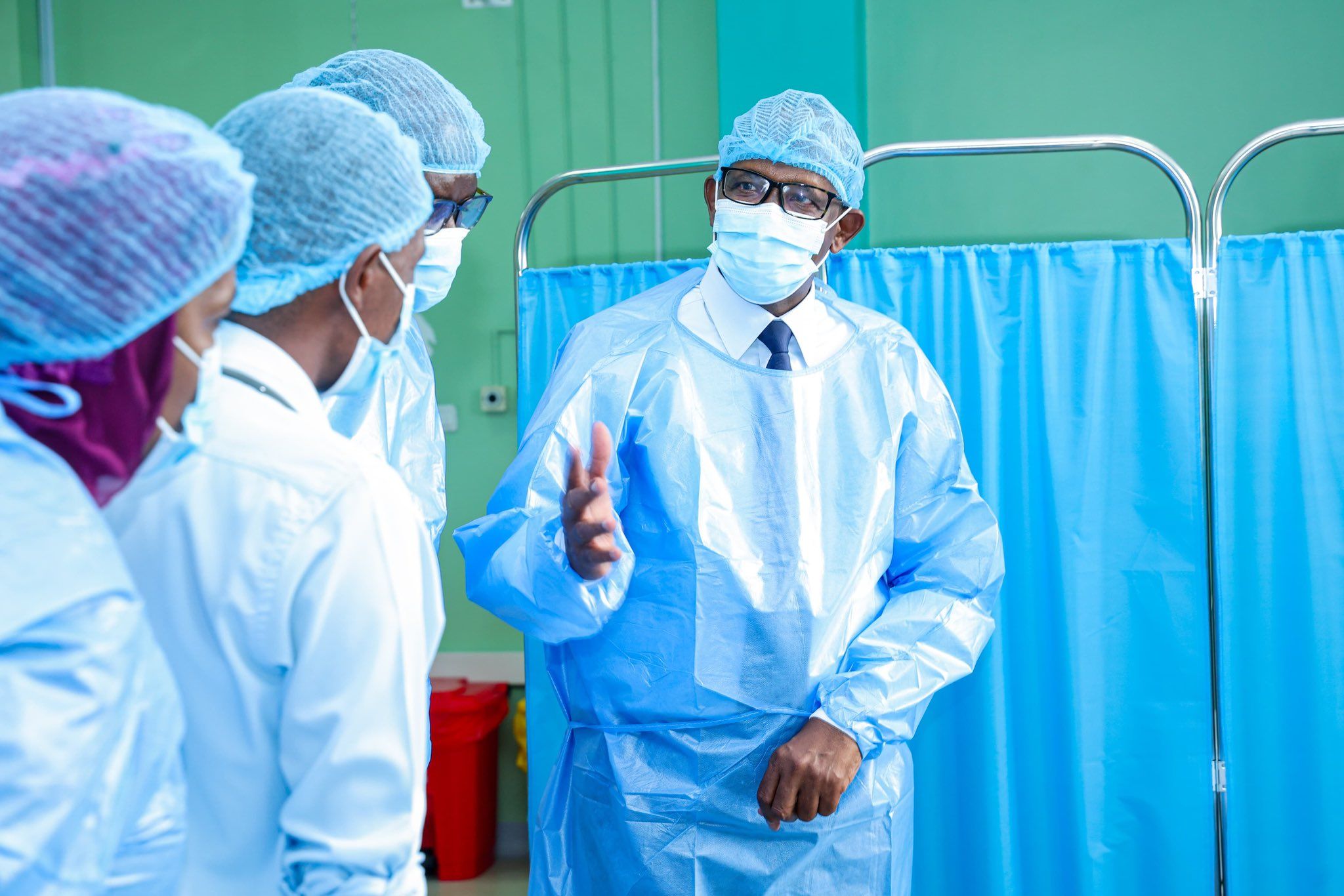
In a logistical directive, the Ministry has instructed all eligible pre-interns to physically collect their official posting letters at Afya House, Nairobi, on Monday, June 30, 2025, starting at 9:00 a.m. sharp. Each individual must present a valid National ID card for verification.
Interns will then be expected to report to their assigned facilities without delay. Regional health administrators have been briefed and instructed to provide the necessary support to ensure interns settle in smoothly, including housing where available and workplace orientation.
The rollout ends months of tense negotiations and public outcry over prolonged posting delays. Graduates who completed their university medical training had waited through uncertainty, with many expressing frustration over stalled careers and lack of income support.
The Kenya Medical Practitioners, Pharmacists and Dentists Union (KMPDU) had repeatedly pressed the government for transparency and urgency in intern deployment. At the heart of the disagreement was a broader concern over fiscal prioritization, staffing capacity at training hospitals, and policy-level indecision.
Eventually, consensus was reached through a series of structured talks led by Ministry of Health officials, union representatives, and professional councils. This collaborative framework has now yielded a structured deployment model that aligns with training standards, professional ethics, and healthcare realities.
For communities across Kenya, this announcement holds more than administrative significance. In towns like Wajir, Marsabit, and Taita Taveta, where access to qualified health personnel remains patchy, the arrival of interns brings both immediate relief and a renewed sense of state presence.
Equally, the internship marks a defining moment for the young professionals involved. For many, this is their first paid medical engagement—one that determines future licensing, specialization eligibility, and career trajectory. Interns will rotate across major departments, from maternal health and pediatrics to pharmacy logistics and outpatient triage.
Moreover, successful completion of internship is mandatory for enrollment in postgraduate training and government service. Delays had therefore posed not just professional setbacks but also national health system vulnerabilities.
The Ministry of Health has committed to monitoring the internship programme through internal audits and performance evaluations. Facility managers have been instructed to submit monthly reports detailing intern supervision, workload balance, and mentorship progress.
Unions and civil society groups will also play a watchful role, ensuring that interns are not overburdened or exploited in understaffed hospitals. Welfare concerns such as delayed stipends, lack of accommodation, and mental health support remain under discussion, and CS Duale has hinted at plans for a revised intern welfare charter by early 2026.
This deployment is more than a fulfillment of policy—it is a foundational investment in the country’s future health system. By integrating thousands of young professionals into real-world clinical settings, Kenya is not just training doctors and nurses—it is grooming future policymakers, educators, and reformers.
For a country pushing toward Universal Health Coverage (UHC) and sustainable development goals, this move could well be a defining pivot. And for every intern finally stepping into their white coat and posting facility, it’s not just a job—it’s the beginning of a journey to heal a nation.





0 comments