
Your Read is on the Way
Every Story Matters
Every Story Matters
The Hydropower Boom in Africa: A Green Energy Revolution Africa is tapping into its immense hydropower potential, ushering in an era of renewable energy. With monumental projects like Ethiopia’s Grand Ethiopian Renaissance Dam (GERD) and the Inga Dams in the Democratic Republic of Congo, the continent is gearing up to address its energy demands sustainably while driving economic growth.
Northern Kenya is a region rich in resources, cultural diversity, and strategic trade potential, yet it remains underutilized in the national development agenda.

Can AI Help cure HIV AIDS in 2025

Why Ruiru is Almost Dominating Thika in 2025

Mathare Exposed! Discover Mathare-Nairobi through an immersive ground and aerial Tour- HD

Bullet Bras Evolution || Where did Bullet Bras go to?
In one of the most significant education policy shifts in modern American history, former President Donald Trump has signed an executive order setting in motion the dismantling of the U.S. Department of Education. This decision aligns with his long-standing stance that education should be managed at the state and local levels rather than by federal bureaucrats.
The Department of Education, established in 1979, has long been a target for conservatives who argue that its involvement in local schools is an overreach of federal power. Trump’s executive order represents a radical push to reduce government influence in education, empowering states to set their own policies without interference from Washington.
Supporters see this as a long-overdue step in decentralizing education and giving parents and communities more control over schooling. Critics, however, fear the loss of federal funding and oversight could lead to educational disparities, leaving some students—especially in low-income areas—at a disadvantage.
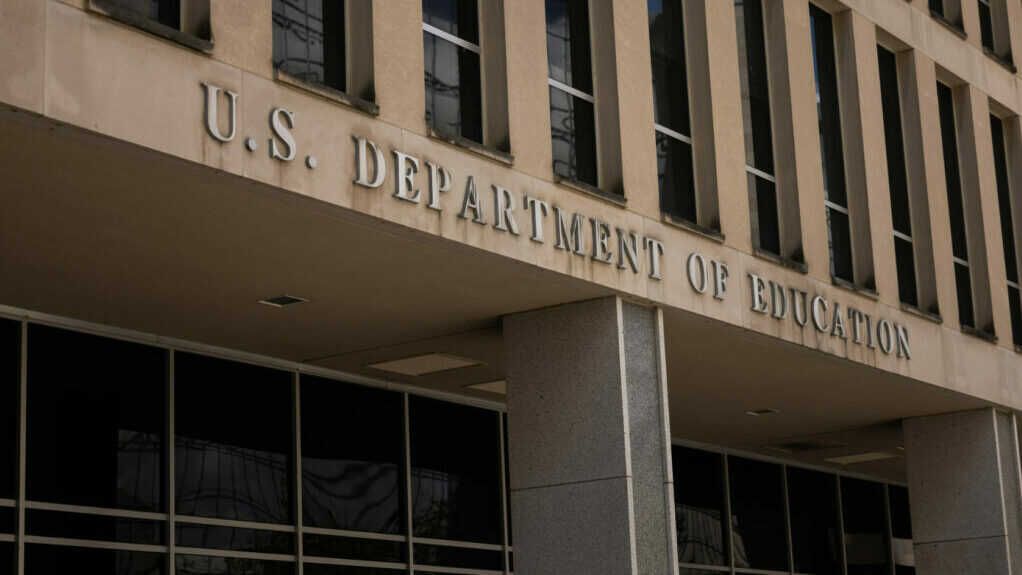
The Trump administration has justified this move by arguing that the federal government has created unnecessary red tape, restricting states from implementing policies that best suit their unique populations. The Department of Education oversees various programs, including student loans, Title IX protections, and federal grants. Critics of the department claim that these programs have been inefficiently managed and that states could allocate resources more effectively without federal bureaucracy.
For decades, conservative lawmakers have proposed eliminating the department, contending that the U.S. Constitution does not grant the federal government authority over education. Instead, they argue that education is best handled at the state level, where communities can tailor curriculum, testing standards, and teacher requirements to fit their needs.
Proponents of the move also point to excessive federal spending on education programs that they say yield little improvement in student performance. They argue that shifting control to the states will encourage innovation, competition, and more localized decision-making.
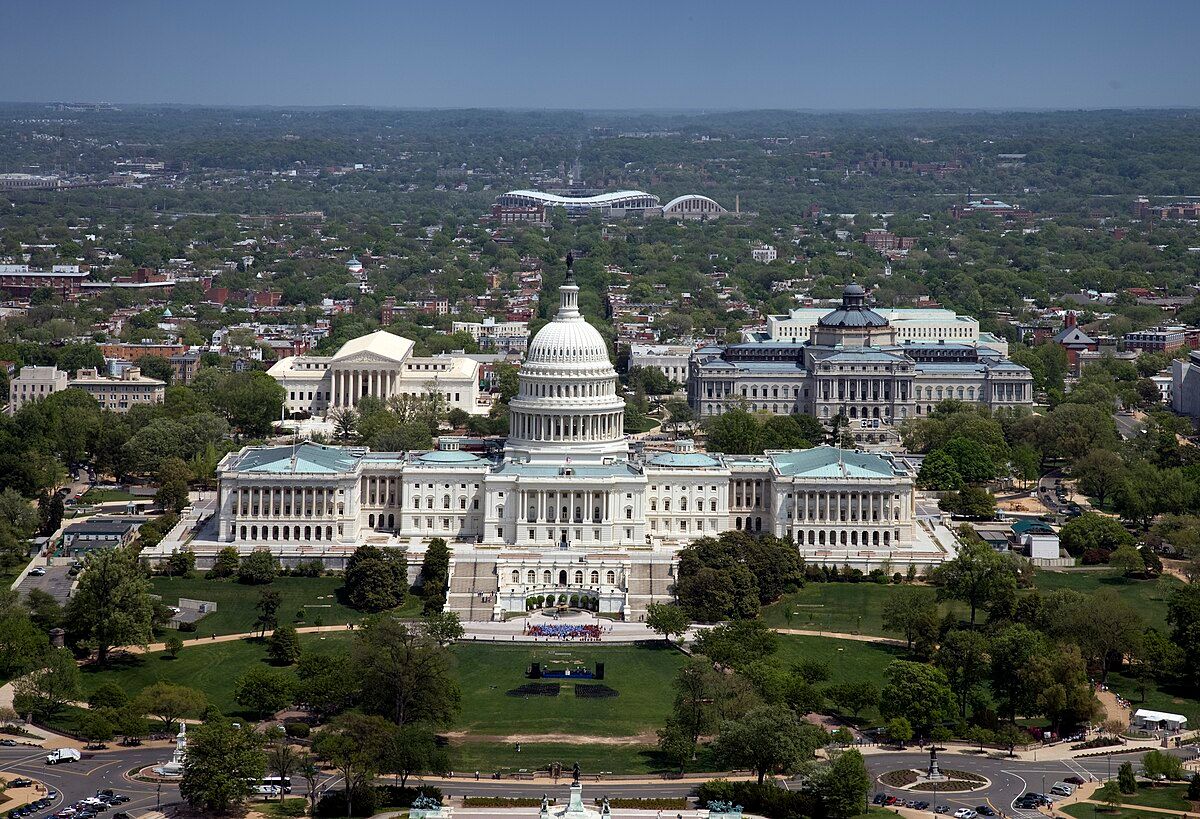
Despite Trump’s executive order, fully dismantling the Department of Education will not happen overnight. The department’s budget is determined by Congress, and its programs are deeply integrated into the nation’s educational framework. Eliminating it would require congressional approval and legislative action to reassign its responsibilities.
Additionally, many states rely on federal education funding for public schools, special education programs, and low-income student assistance. Without a clear plan to redistribute these funds, shutting down the department could create uncertainty for millions of students and educators.
The department also enforces key policies, such as civil rights protections under Title IX, which mandates equal educational opportunities regardless of gender. Critics worry that without federal oversight, some states may not adequately enforce these protections, potentially rolling back decades of progress.
The biggest question surrounding the elimination of the Department of Education is how it will affect students and schools nationwide. The department currently oversees:

Without a federal agency to administer these programs, states would need to take over their management or risk losing vital funding. Critics fear that wealthier states may be able to sustain educational programs, while poorer states could struggle, leading to widening gaps in education quality across the country.
Supporters argue that state control will foster competition, allowing different regions to experiment with innovative approaches to education. They believe that local school districts, rather than federal officials, are better equipped to understand the needs of their communities and allocate resources effectively.

Trump’s executive order has reignited a long-standing debate over the role of federal oversight in education. Polls indicate that a majority of Americans oppose dismantling the Department of Education, with many fearing that the move could lead to chaos and confusion in the school system. However, conservative and libertarian groups have praised the decision as a necessary step toward reducing federal control and returning power to states.
Teachers’ unions and education advocacy groups have strongly criticized the move, arguing that the department plays a crucial role in ensuring equal access to education. They warn that shifting control to states could lead to inconsistent policies, with some regions investing heavily in education while others cut funding.
Meanwhile, Republican lawmakers remain divided. While some support the move as a fulfillment of conservative ideals, others recognize the political and practical challenges of eliminating such a deeply embedded institution.

Although Trump’s executive order sets the process in motion, the fate of the Department of Education ultimately rests with Congress. The administration will need to propose a detailed plan for redistributing responsibilities and funding, and lawmakers will have to decide whether to approve the changes.
In the coming months, expect fierce debate over the future of federal involvement in education. If the department is successfully dismantled, it would mark one of the most dramatic shifts in American education policy in decades. If the initiative fails, it will serve as another example of the challenges in reducing the size of the federal government.
Regardless of the outcome, Trump’s move has already left a lasting impact, forcing Americans to reexamine the role of the federal government in education and sparking new conversations about the best path forward for students, teachers, and schools.






0 comments