
Your Read is on the Way
Every Story Matters
Every Story Matters
The Hydropower Boom in Africa: A Green Energy Revolution Africa is tapping into its immense hydropower potential, ushering in an era of renewable energy. With monumental projects like Ethiopia’s Grand Ethiopian Renaissance Dam (GERD) and the Inga Dams in the Democratic Republic of Congo, the continent is gearing up to address its energy demands sustainably while driving economic growth.
Northern Kenya is a region rich in resources, cultural diversity, and strategic trade potential, yet it remains underutilized in the national development agenda.

Can AI Help cure HIV AIDS in 2025

Why Ruiru is Almost Dominating Thika in 2025

Mathare Exposed! Discover Mathare-Nairobi through an immersive ground and aerial Tour- HD

Bullet Bras Evolution || Where did Bullet Bras go to?
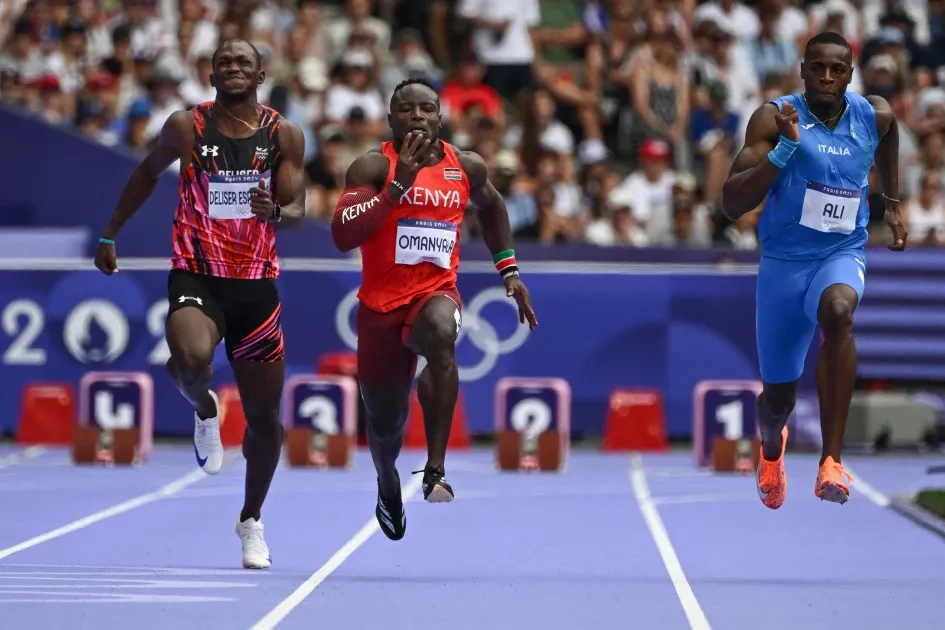
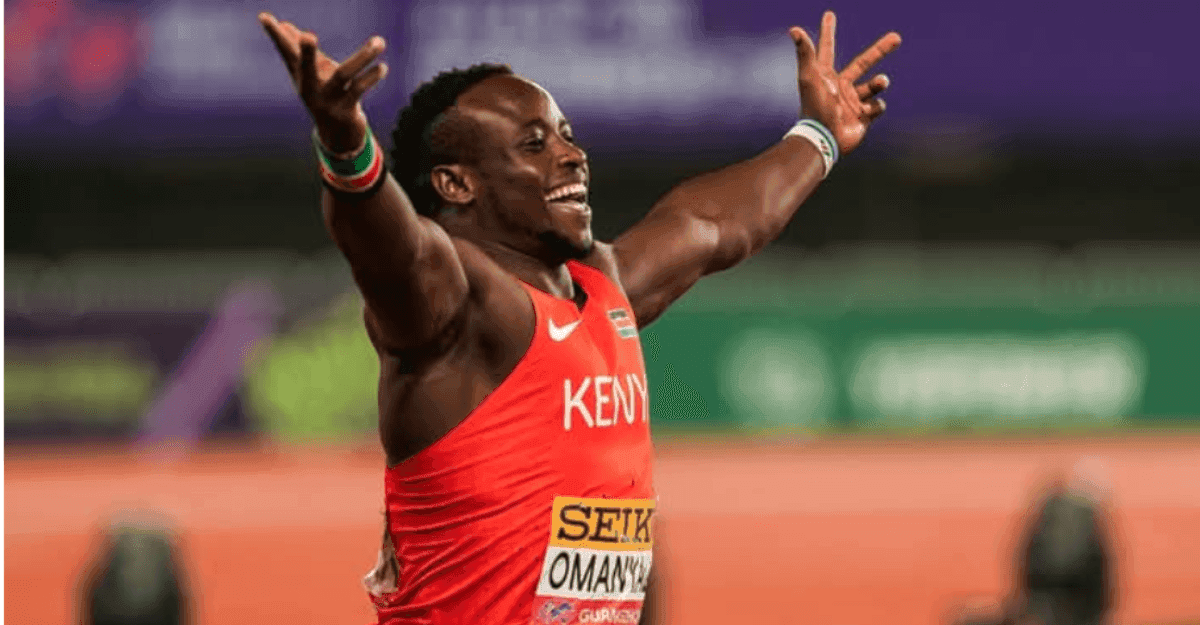
Ferdinand Omanyala didn’t just win a race in Atlanta. He carved a new chapter in Africa’s sprinting history—while sketching a roadmap for Kenya’s next athletic revolution. As fans applauded his 14.70-second sprint in the rarely contested 150m, the headline was simple: record smashed. But what the cameras missed was the bigger story—one of a sprinter who’s rewriting not just the timesheets, but the trajectory of Kenyan athletics itself.
For years, Kenya’s reputation in athletics has revolved around distance running—endurance marathons, gritty 10,000m finishes, and long-haul heroics. Omanyala, however, has insisted on breaking away from that script. With a body built for power and a mind sculpted by perseverance, the 29-year-old is no longer sprinting just for himself. He’s racing for an entire generation that has never seen itself reflected in the lane of the 100m final.
At the Adidas Atlanta City Games, the plot unfolded quickly. From the first crack of the gun, Omanyala exploded forward with the hunger of a man chasing more than medals. His performance was commanding, nearly surgical—no nerves, no hesitation, just raw momentum. Trailing behind were Terrence Jones of the Bahamas and America’s Matthew Boling, both struggling to keep pace.
The 150m isn’t a common race. It doesn’t make Olympic schedules or headline Diamond League calendars. But for Omanyala, this was no warm-up. It was a statement: speed knows no distance. By smashing the African and national records, he reminded the world that Kenya’s new sprint factory is open—and producing at full capacity.
Interestingly, Omanyala’s Atlanta triumph wasn’t his proudest recent moment. That honor, he says, belongs to qualifying Kenya’s 4x100m relay team for the World Championships for the first time in four decades. That feat, achieved just a week earlier with teammates Boniface Mweresa, Steve Onyango, and Meshack Baabu, meant more than individual fame. It marked the arrival of a unit. A movement.
Omanyala’s voice shifts when he talks about it—not with pride alone, but purpose. "When we made it, I wasn’t just happy. I was fulfilled," he said in a post-race reflection. His goal is simple but revolutionary: to raise an army of sprinters who will carry Kenya’s flag beyond marathons and middle-distance tracks, into the electric arena of global sprinting.
This relay success didn’t happen overnight. It’s the product of years of pushing back against stereotypes, lack of infrastructure, and a nation that—until recently—believed sprinting was a Western affair. Omanyala changed that narrative with every step, every second shaved, and every young sprinter he’s mentored off the field.
Omanyala’s journey wasn’t supposed to unfold this way. Initially, his dream was to contribute to relays, quietly assist his team, and maybe one day qualify for an international meet. The solo 100m spotlight wasn’t part of the script. But fate had other ideas. His 9.77-second African record in the 100m and now his 14.70 in the 150m proved that sometimes, greatness chooses you.
Yet, he hasn’t lost sight of his roots. Unlike many athletes who become consumed by individual accolades, Omanyala views his rise as a platform. He often visits local schools and track camps, sharing knowledge, providing shoes, even organizing clinics. His message? Kenya’s potential in sprinting is untapped—but not unreachable.
What’s unfolding around Omanyala isn’t just about one man’s talent. It’s an ecosystem forming in real time. More facilities are being established. Coaches are rethinking strategies. Young athletes now train with sprint events in mind. And federations are finally giving sprints the attention they once reserved for distance events.
If nurtured correctly, this could mark a paradigm shift in African athletics. Kenya could become a sprinting powerhouse, challenging Jamaica, the U.S., and other speed nations not just with one man, but with depth, consistency, and national ambition.
Omanyala knows this, and he’s putting his time, energy, and influence into making it happen. For him, the record in Atlanta was a spark—but the fire he wants to ignite is much bigger.
Omanyala’s 150m victory in Atlanta was historic—but in truth, it was only the beginning. Behind that record-smashing run is a man on a mission, not just to collect medals, but to plant a new flag on the sprinting map for Kenya and Africa at large.
As the world tunes in to watch him blaze new trails, he’s busy building lanes for others to follow. And if his vision holds, Kenya might one day be known not just for how far it runs—but for how fast it flies.




0 comments