
Your Read is on the Way
Every Story Matters
Every Story Matters
The Hydropower Boom in Africa: A Green Energy Revolution Africa is tapping into its immense hydropower potential, ushering in an era of renewable energy. With monumental projects like Ethiopia’s Grand Ethiopian Renaissance Dam (GERD) and the Inga Dams in the Democratic Republic of Congo, the continent is gearing up to address its energy demands sustainably while driving economic growth.
Northern Kenya is a region rich in resources, cultural diversity, and strategic trade potential, yet it remains underutilized in the national development agenda.

Can AI Help cure HIV AIDS in 2025

Why Ruiru is Almost Dominating Thika in 2025

Mathare Exposed! Discover Mathare-Nairobi through an immersive ground and aerial Tour- HD

Bullet Bras Evolution || Where did Bullet Bras go to?
In a tense showdown at the Cairo International Stadium, South Africa’s U-20 national team made history by winning their first-ever Africa U-20 Cup of Nations. The 1-0 scoreline against Morocco belied the tactical brilliance on display from both sides.
The decisive moment came when South Africa’s goalkeeper, Fletcher Smythe-Lowe, spotted an opening deep in the Moroccan half. His long-range pass pierced Morocco’s defensive line and met the run of Gomolemo Kekana, who calmly slotted home in the 70th minute.
The goal, validated after a brief VAR check, stood as the winner—and as the symbolic end of South Africa’s long wait for youth-level continental success.
For Morocco, the loss was more painful considering the chances they created early on. Strikers Fouad Zahouani and Abdelhamid Aït Boudlal had clear opportunities to give Morocco the lead in the first half, but nerves and poor finishing let them down.
The final mirrored Morocco’s earlier performances—dominant in possession but lacking the killer instinct. Their only consolation was booking a ticket to the FIFA U-20 World Cup, along with the other semi-finalists.
Earlier that day, Nigeria and host nation Egypt battled for third place in what turned into a dramatic contest. Egypt scored early through Omar Hassan, capitalizing on a well-placed cross by Ahmed Shariff in just the third minute. The hosts looked comfortable heading into halftime.
However, Nigeria had other plans. Bidemi Amole, a halftime substitute, equalized with a stunning solo effort just after the break. With neither side able to find a winner in regulation time, the match went to penalties.
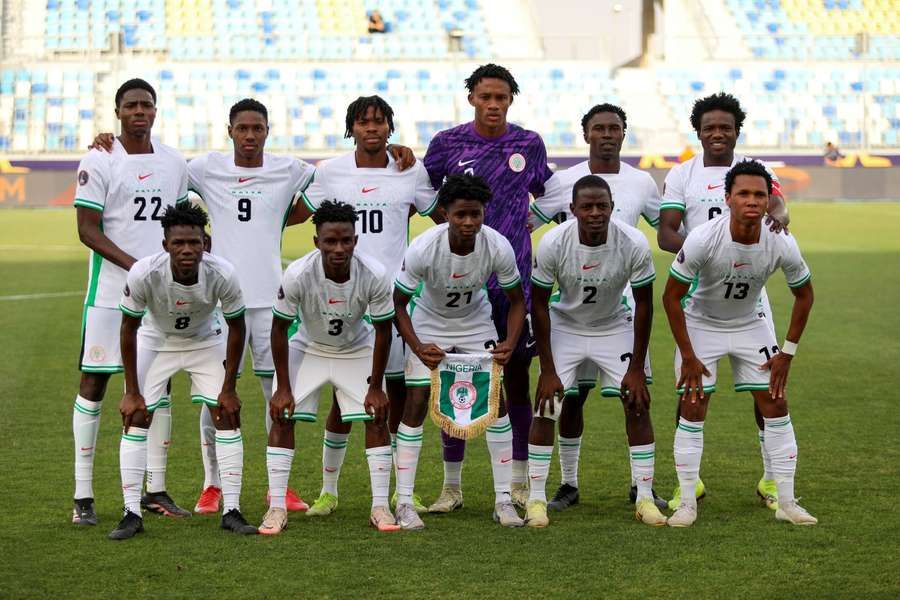
Nigeria made a bold strategic move, bringing on backup goalkeeper Rufai Abubakar in the dying minutes. The decision paid off—Abubakar saved two penalties, securing a 4-1 win in the shootout and denying Egypt a podium finish on home soil.
For Egypt, this tournament will sting. Despite playing in front of home crowds, the team failed to reach the final and couldn’t even secure third place. What began as a promising campaign quickly devolved into frustration.
Tactically, Egypt lacked adaptability. They relied heavily on early momentum but seemed ill-equipped to handle pressure late in games. The penalty shootout loss to Nigeria merely confirmed the underlying fragilities.
The 2025 U-20 AFCON wasn’t just about trophies. It signaled a broader shift in African youth football. South Africa's triumph reflects a growing investment in grassroots development, while Nigeria’s adaptability shows why they remain a perennial force in youth tournaments.
Morocco, though technically strong, must now confront questions about finishing and mental strength. Egypt, meanwhile, faces a reckoning: home advantage alone is no longer enough.
This year’s U-20 Africa Cup of Nations didn’t follow the usual script. New heroes emerged, established powers stumbled, and the future of African football looked more unpredictable—and more exciting—than ever. South Africa’s historic win, Nigeria’s resilience, and Egypt’s fall from grace all contribute to a tournament that redefined expectations.





0 comments