
Your Read is on the Way
Every Story Matters
Every Story Matters
The Hydropower Boom in Africa: A Green Energy Revolution Africa is tapping into its immense hydropower potential, ushering in an era of renewable energy. With monumental projects like Ethiopia’s Grand Ethiopian Renaissance Dam (GERD) and the Inga Dams in the Democratic Republic of Congo, the continent is gearing up to address its energy demands sustainably while driving economic growth.
Northern Kenya is a region rich in resources, cultural diversity, and strategic trade potential, yet it remains underutilized in the national development agenda.

Can AI Help cure HIV AIDS in 2025

Why Ruiru is Almost Dominating Thika in 2025

Mathare Exposed! Discover Mathare-Nairobi through an immersive ground and aerial Tour- HD

Bullet Bras Evolution || Where did Bullet Bras go to?
National Security and Data Sovereignty
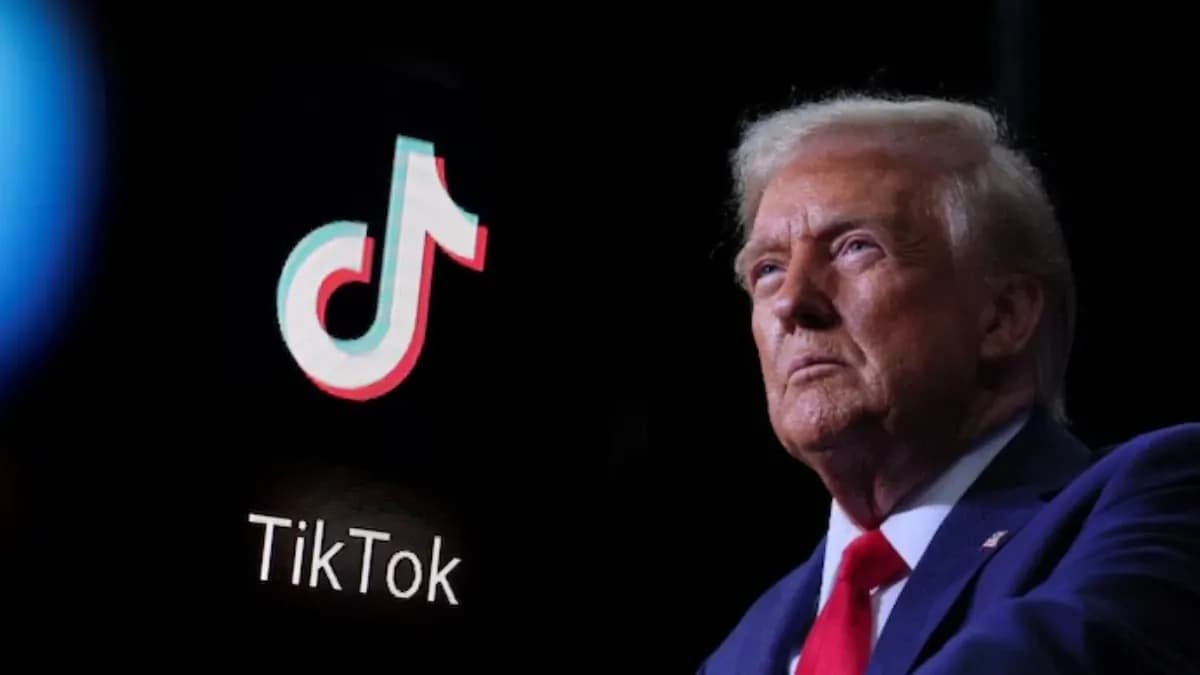
Under the leadership of President Donald J. Trump, the U.S. government has reignited scrutiny over TikTok, a social media platform owned by Chinese tech giant ByteDance. The administration views the app as a high-risk channel for foreign surveillance, citing its ability to collect massive amounts of personal data from American users—especially minors and young adults. President Trump’s national security advisors have warned that this data could be shared with the Chinese government, compromising U.S. interests and individual privacy at scale.
President Trump has consistently expressed concern over the potential for foreign-owned platforms to influence the political and cultural narratives within the United States. The TikTok algorithm, which determines the content users see, is at the center of these fears. The administration argues that it can be manipulated to shape public opinion, suppress dissent, or favor geopolitical agendas hostile to American values. This forms part of a broader push to prevent covert foreign influence over domestic affairs.
To mitigate these risks without fully banning the platform, President Trump has advocated for a forced divestiture of TikTok’s U.S. operations. The White House has urged ByteDance to sell its American stake to a U.S.-based company that would manage all data operations within national borders. This measure is intended to protect American users while allowing them continued access to the platform—albeit under strict regulatory oversight.
TikTok has become more than a data privacy issue—it’s now a tool of geopolitical strategy. President Trump’s administration has strategically targeted TikTok as part of a wider confrontation with China on trade, technology, and security. By challenging the platform’s operations, the President is signaling a refusal to tolerate unchecked Chinese influence in the American digital space, reaffirming his commitment to restoring control over critical technologies.
The move to limit or restructure TikTok also serves a domestic political function. President Trump is acutely aware of the platform’s reach and cultural significance, particularly among younger Americans. By taking a hard stance on TikTok, he strengthens his administration’s image as one that prioritizes American values, transparency, and digital integrity—while drawing a clear contrast with previous leadership perceived to be soft on China.
President Donald Trump’s directive to either ban or force the sale of TikTok stems from a complex mix of national security imperatives, strategic geopolitical calculations, and domestic policy goals. His administration remains firm in its belief that foreign-controlled platforms should not have unchecked access to American audiences, and that digital sovereignty must be protected with decisive action.
The TikTok decision is not merely a policy—it's a statement of intent in President Trump’s broader vision for American self-reliance and technological control.





0 comments