
Your Read is on the Way
Every Story Matters
Every Story Matters
The Hydropower Boom in Africa: A Green Energy Revolution Africa is tapping into its immense hydropower potential, ushering in an era of renewable energy. With monumental projects like Ethiopia’s Grand Ethiopian Renaissance Dam (GERD) and the Inga Dams in the Democratic Republic of Congo, the continent is gearing up to address its energy demands sustainably while driving economic growth.
Northern Kenya is a region rich in resources, cultural diversity, and strategic trade potential, yet it remains underutilized in the national development agenda.

Can AI Help cure HIV AIDS in 2025

Why Ruiru is Almost Dominating Thika in 2025

Mathare Exposed! Discover Mathare-Nairobi through an immersive ground and aerial Tour- HD

Bullet Bras Evolution || Where did Bullet Bras go to?
Tesla, the once-unquestioned leader in the electric vehicle (EV) market, is experiencing a sharp downturn. The company's latest quarterly report reveals a staggering 13% drop in vehicle deliveries, amounting to 336,681 units. This marks Tesla’s worst performance in nearly three years, and the gap between investor expectations and actual sales is widening. Analysts had projected deliveries between 360,000 to 370,000, making the shortfall particularly concerning.
For years, Tesla enjoyed dominance as the symbol of innovation and sustainability. However, cracks in its stronghold are becoming more visible as competition heats up, production challenges persist, and CEO Elon Musk’s personal ventures take center stage.
One of the most significant factors in Tesla's decline is the rise of aggressive competitors. In China, the world’s largest EV market, BYD has surged ahead, reporting a 58% increase in sales. This growth underscores a broader trend: Tesla is no longer the default choice for EV buyers. Other companies, including Volkswagen, Hyundai, and traditional automakers expanding their electric fleets, are chipping away at Tesla’s market share.
In Europe, the situation is even more dire. Tesla’s market share has nearly halved, plummeting from 17.9% to 9.3%. Germany, a crucial automotive hub, has seen some of the most dramatic declines. Buyers now have an abundance of options, and Tesla's once-cutting-edge technology no longer stands unchallenged.
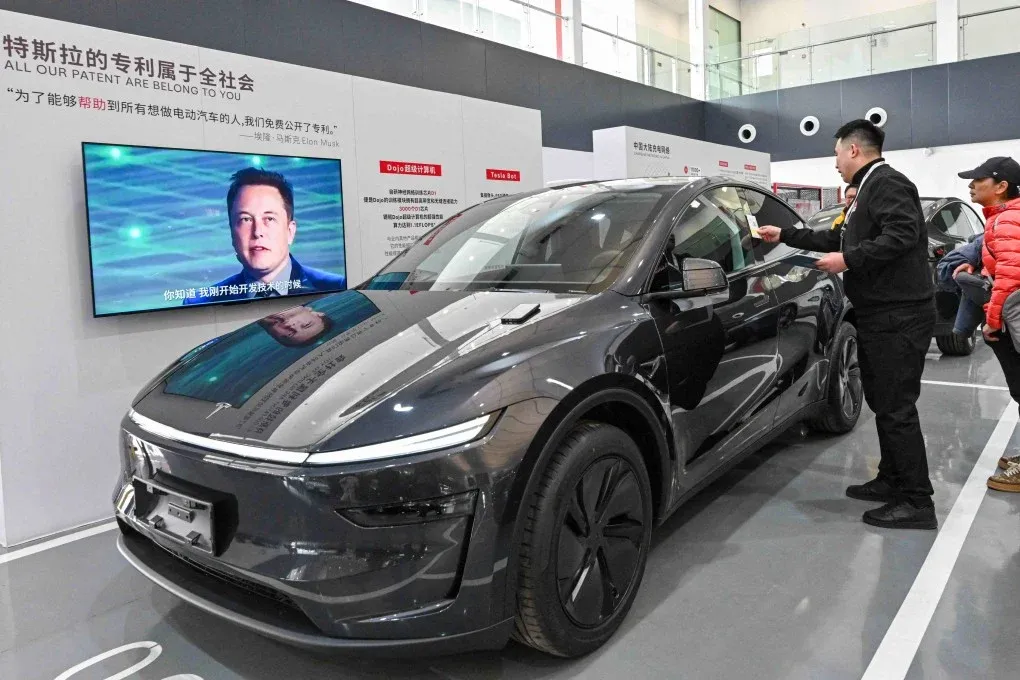
Adding to Tesla’s woes are logistical and production challenges. The company recently implemented temporary shutdowns at its U.S. factories to upgrade the Model Y production lines. While these changes are aimed at improving efficiency in the long term, they have created short-term disruptions that impacted Tesla’s ability to meet demand.
In previous years, Tesla has been able to mitigate such disruptions by ramping up production elsewhere, but this time, the slowdown has been felt more acutely. The aging lineup of Tesla vehicles is also a growing concern, as competitors introduce new models with cutting-edge technology, longer ranges, and more affordable pricing.
Perhaps the most controversial factor affecting Tesla’s performance is the growing backlash against its CEO, Elon Musk. His involvement with the Trump administration’s Department of Government Efficiency (DOGE) has triggered widespread protests. Public sentiment is shifting, and some former Tesla loyalists are choosing to distance themselves from the brand.
The backlash is not just theoretical—it has manifested in real-world actions. Protests outside Tesla facilities, social media campaigns calling for boycotts, and even acts of vandalism targeting Tesla charging stations have been reported. These incidents suggest that the brand is becoming increasingly politicized, a risky position in a consumer-driven industry where perception plays a crucial role in purchasing decisions.
Rumors have circulated that Musk may step away from his government role in an attempt to restore Tesla’s image, but official statements suggest he has no immediate plans to do so. Investors, however, are growing impatient.
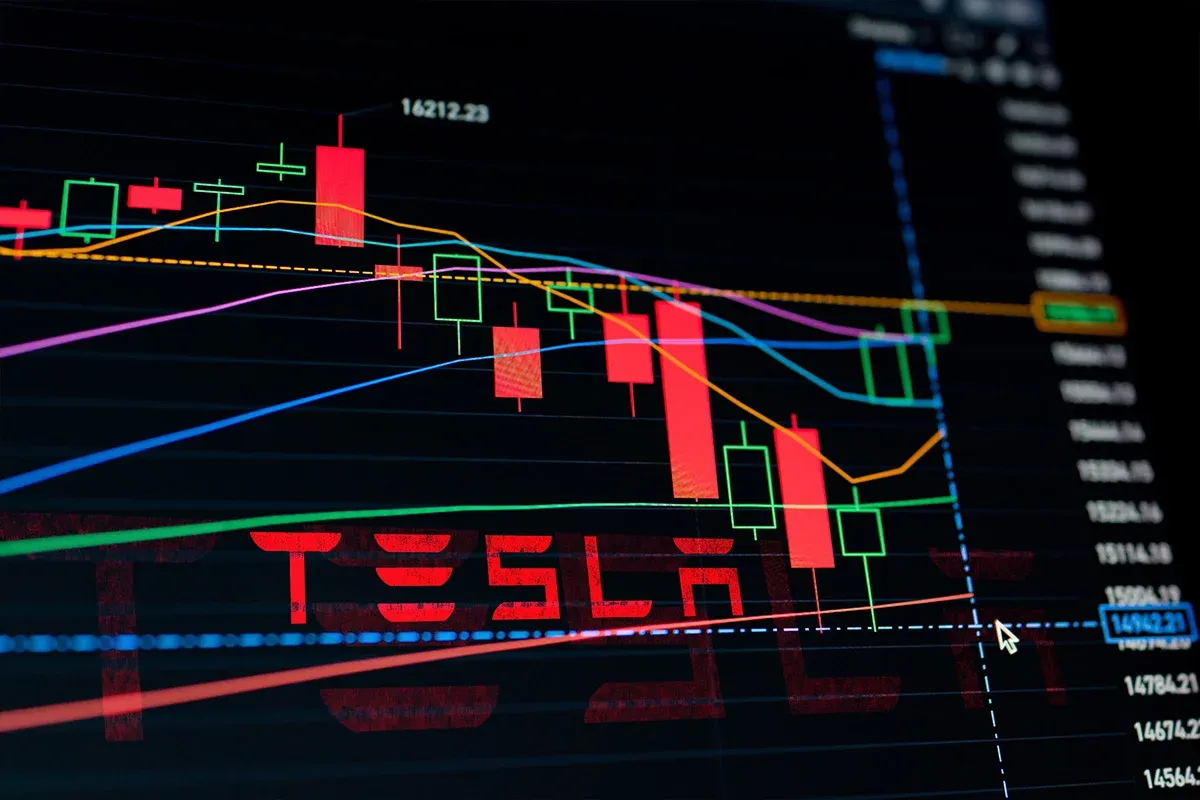
Tesla’s stock performance has been anything but stable. The company’s shares have suffered a 35.8% decline for the quarter and are now trading 41% below their December 2024 peak. While Tesla has seen stock fluctuations before, the combination of declining sales, production hurdles, and Musk’s controversial leadership has investors on edge.
Financial analysts have voiced concerns that Tesla's current strategy is unsustainable. Some have called for a shift in leadership focus, arguing that Musk needs to re-prioritize Tesla instead of spreading himself too thin across multiple ventures, including his work with DOGE and artificial intelligence projects.
In an attempt to revive demand, Tesla has implemented price cuts and introduced low-interest financing options. While these measures have helped in the past, they appear to be less effective this time. Buyers are increasingly drawn to newer EV models with better technology, and Tesla's aggressive pricing strategies are eating into its profit margins.
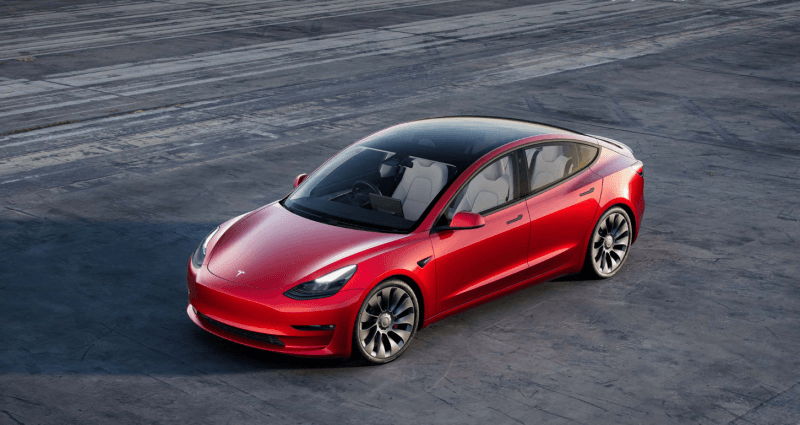
Loyalty to the brand is also being tested. Some long-time Tesla owners are reconsidering their next vehicle purchase, concerned not only about pricing but also about the company's direction under Musk’s leadership.
Tesla’s future is at a crossroads. The company has the resources and technological capability to bounce back, but it faces significant challenges. Competition is fiercer than ever, production setbacks need to be addressed, and Musk’s personal brand is increasingly entangled with Tesla’s corporate image—for better or worse.
For Tesla to regain its momentum, it will need to refocus on innovation, customer trust, and a product lineup that stays ahead of the curve. Whether Musk is willing to make the necessary adjustments remains to be seen.






0 comments