










A Catastrophic Blackout Shuts Down Europe’s Busiest Airport
Britain’s Heathrow Airport, the lifeline of international travel and one of the world’s busiest transit hubs, faced an unprecedented crisis when a sudden and catastrophic power outage forced its complete shutdown. What started as an ordinary night quickly turned into a nightmare for travelers, airlines, and businesses operating within the airport’s sprawling complex.
With thousands of passengers grounded and flights across the globe disrupted, Heathrow, a symbol of efficiency and global connectivity, found itself at the mercy of darkness. Authorities scrambled to contain the fallout, but the scale of the shutdown meant that the impact would be felt far beyond the airport itself.
Inferno at the Heart of the Crisis
The root of this disastrous event lay in a massive fire that broke out at an electrical substation located in Hayes, a town just outside Heathrow. Witnesses reported seeing huge flames licking the night sky as thick black smoke billowed across the skyline, an ominous sign of the destruction taking place. The London Fire Brigade received the first distress call at 11:23 PM and immediately dispatched firefighters to battle the growing inferno.
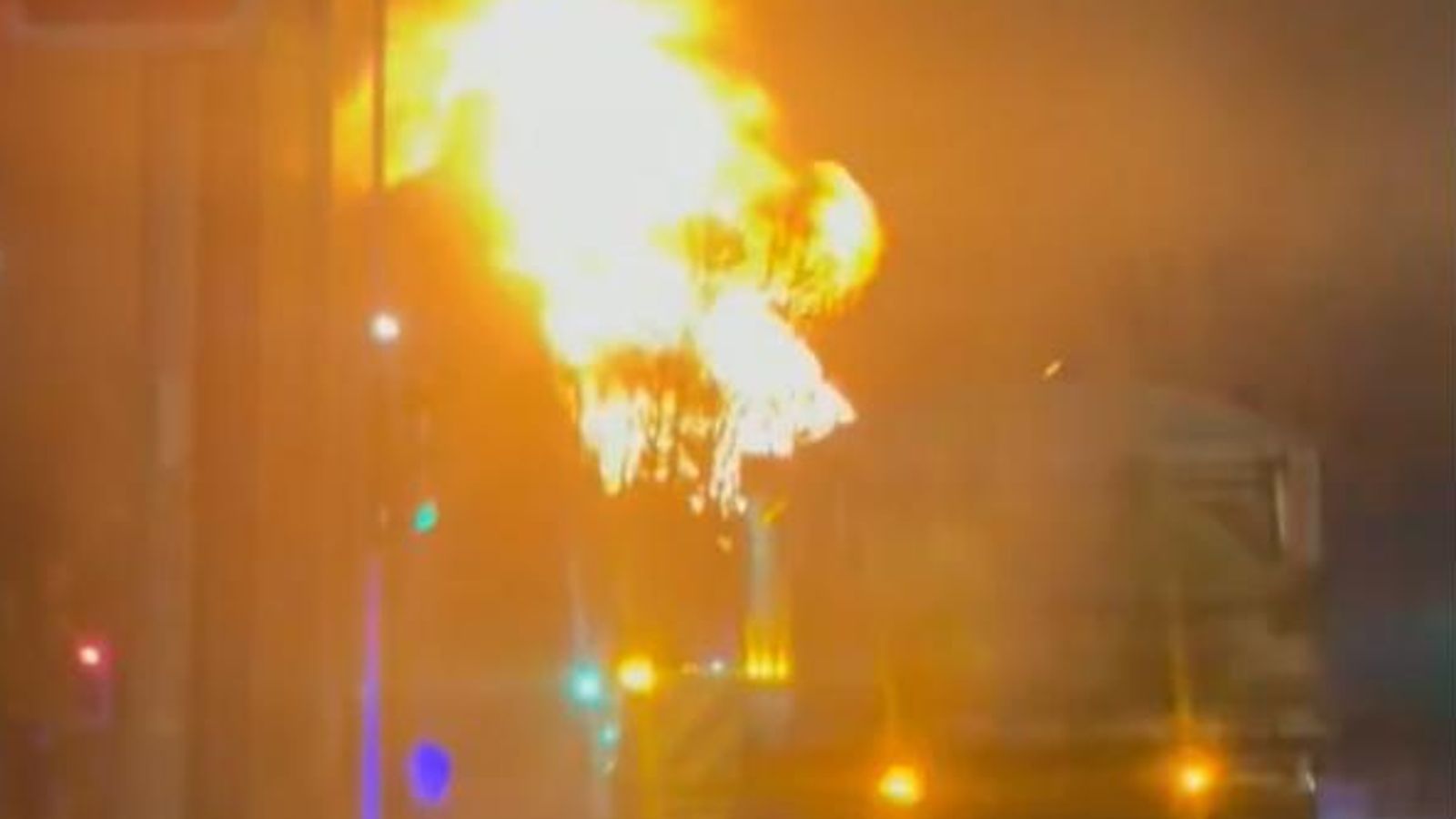
However, by the time emergency crews arrived, the fire had already compromised the facility’s power infrastructure, triggering an outage that would have dire consequences for Heathrow and the surrounding area. Despite their best efforts, firefighters struggled to contain the blaze under challenging conditions, while engineers worked desperately to assess the extent of the damage.
A City in Darkness, A Nation in Panic
The effects of the power outage extended far beyond the airport. More than 16,000 homes and businesses in the surrounding areas of West London were plunged into darkness, leaving residents without electricity and emergency services stretched thin. Public transportation systems, including the Heathrow Express and portions of London’s Underground, experienced severe delays and partial closures, worsening an already chaotic situation.
Social media was soon flooded with eerie images and videos of Heathrow’s dimly lit corridors, where shuttered stores and motionless conveyor belts painted a haunting picture of the airport’s sudden paralysis. Passengers who had expected a seamless travel experience found themselves trapped in uncertainty, with little to no communication on when operations might resume. As night turned to morning, the normally vibrant airport, which welcomes millions of travelers annually, remained eerily silent, with only emergency lights flickering across its terminals.
Stranded Passengers and Global Chaos
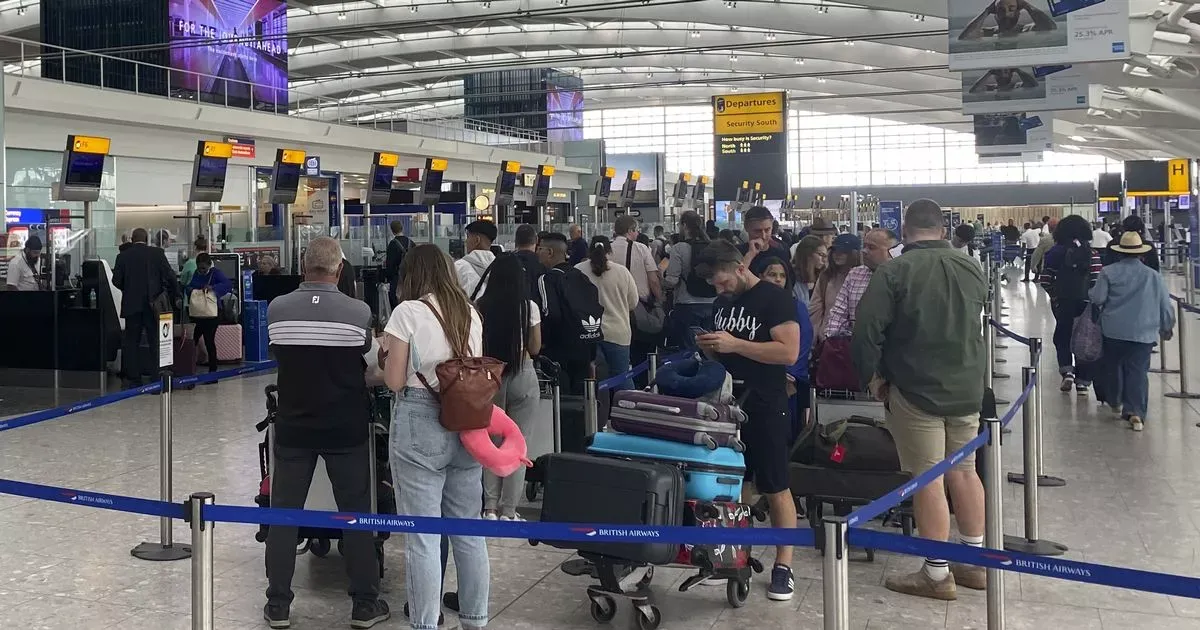
The disruption at Heathrow had immediate global repercussions, as flights bound for London were suddenly left without a destination. Airlines scrambled to find alternative landing sites for incoming planes, leading to unexpected diversions. A Qantas flight from Perth was redirected to Paris, while a United Airlines aircraft from New York had to make an unscheduled landing in Shannon, Ireland.
Inside the airport, thousands of passengers faced an unbearable waiting game, with long queues at help desks, uncertainty over rescheduled flights, and many forced to sleep on cold terminal floors. Those with connecting flights found themselves stranded indefinitely, unable to make new arrangements in the midst of the confusion. Travelers arriving at Heathrow, unaware of the extent of the crisis, were met with an airport that had ground to a complete halt, with no taxis, no functioning baggage claim, and no clear guidance on what to do next.
The Economic and Logistical Fallout
With Heathrow typically handling around 1,300 flights daily and serving over 80 million passengers a year, the financial impact of this outage was staggering. Airlines faced immense losses as cancellations and diversions racked up costs, while cargo operations—responsible for moving millions of pounds of goods daily—suffered crippling setbacks. Inside the airport, businesses, from high-end boutiques to duty-free shops and restaurants, saw their operations come to a standstill, resulting in significant revenue loss.
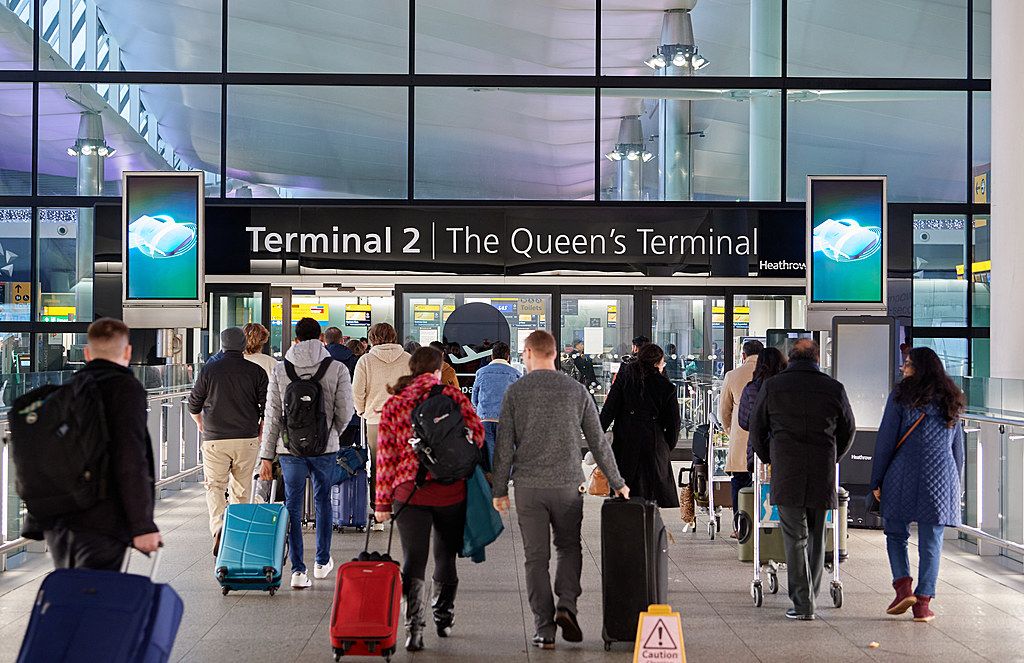
Nearby hotels, often used by travelers with long layovers, were suddenly overwhelmed with stranded passengers seeking last-minute accommodation, pushing prices to exorbitant levels. The disruption also had a ripple effect on London’s wider economy, as thousands of people working at the airport—including airline staff, ground crews, and transport operators—were unable to carry out their duties. The scale of the shutdown underscored Heathrow’s critical role not just in British aviation, but in the global transportation network, making its temporary closure a matter of international concern.
Looking Ahead: Uncertainty in the Skies
As authorities worked tirelessly to restore power and assess the damage caused by the fire, uncertainty loomed over how long Heathrow would remain shut. While officials initially estimated that the airport could resume operations before midnight on Friday, experts warned that full functionality could take days, if not weeks, to restore. The crisis also raised pressing questions about the airport’s infrastructure and its preparedness for emergencies of this magnitude. Critics pointed out that Heathrow, despite its reputation as a world-class facility, lacked adequate backup power solutions to prevent such a large-scale failure.
The incident reignited debates over the airport’s expansion plans, including the controversial third runway, which has faced years of legal battles and environmental concerns. For now, with thousands of passengers still stranded and airlines struggling to manage the backlog of canceled flights, the immediate focus remained on damage control. However, the Heathrow blackout would undoubtedly leave a lasting mark, prompting urgent discussions about how to safeguard one of the world’s most important travel hubs from similar catastrophes in the future.
0 comments