
Your Read is on the Way
Every Story Matters
Every Story Matters
The Hydropower Boom in Africa: A Green Energy Revolution Africa is tapping into its immense hydropower potential, ushering in an era of renewable energy. With monumental projects like Ethiopia’s Grand Ethiopian Renaissance Dam (GERD) and the Inga Dams in the Democratic Republic of Congo, the continent is gearing up to address its energy demands sustainably while driving economic growth.
Northern Kenya is a region rich in resources, cultural diversity, and strategic trade potential, yet it remains underutilized in the national development agenda.

Can AI Help cure HIV AIDS in 2025

Why Ruiru is Almost Dominating Thika in 2025

Mathare Exposed! Discover Mathare-Nairobi through an immersive ground and aerial Tour- HD

Bullet Bras Evolution || Where did Bullet Bras go to?
A troubling pattern has emerged in Hong Kong’s education system—over 20,000 students are at risk of dropping out, according to estimates by the NGO Youth Outreach. This figure represents 3.15% of all primary and secondary students, with an alarming 60% of them under the age of 15.
For a city known for its high-achieving academic culture, these numbers signal a silent but growing crisis. The Hong Kong education system has long been regarded as rigorous, producing some of the world’s top-performing students. However, beneath this success lies a deep-rooted issue of disengagement, particularly among students who struggle to keep up with the intense academic pressure.
One of the biggest failures in tackling school dropout rates is the inaccurate tracking of at-risk students. Under Hong Kong’s current reporting system, a student is only classified as a dropout if they are absent for more than seven consecutive days. This narrow definition means that students who attend school sporadically—perhaps only a few hours a week—remain invisible in the data.
According to Chan Ka-ling, assistant executive director of Youth Outreach, this loophole allows thousands of students to gradually disengage from education without ever being officially recognized as dropouts. The absence of an effective tracking system makes it impossible to intervene early, leaving students with little support until they disappear from the school system entirely.
Several factors contribute to Hong Kong’s dropout crisis, from academic pressure to social and political influences.
Hong Kong’s education system is among the most competitive in the world, with students facing:
For students who cannot keep up, there are few safety nets. Hong Kong’s system is designed for high achievers, often leaving behind those who learn at a different pace or face personal struggles.
In recent years, Hong Kong’s education system has undergone political shifts, particularly with the introduction of patriotic education and national security lessons.
For students already struggling with school, feeling disconnected from the material only accelerates their decision to disengage completely.
Beyond academics, other social and economic factors also push students out of school:

Hong Kong is not the first place to face an education crisis. Countries worldwide have experienced the long-term effects of mass school dropouts. If the situation is not addressed, Hong Kong could face similar consequences, including:
To prevent this crisis from escalating, Hong Kong must take urgent action to reform how it identifies and supports at-risk students.
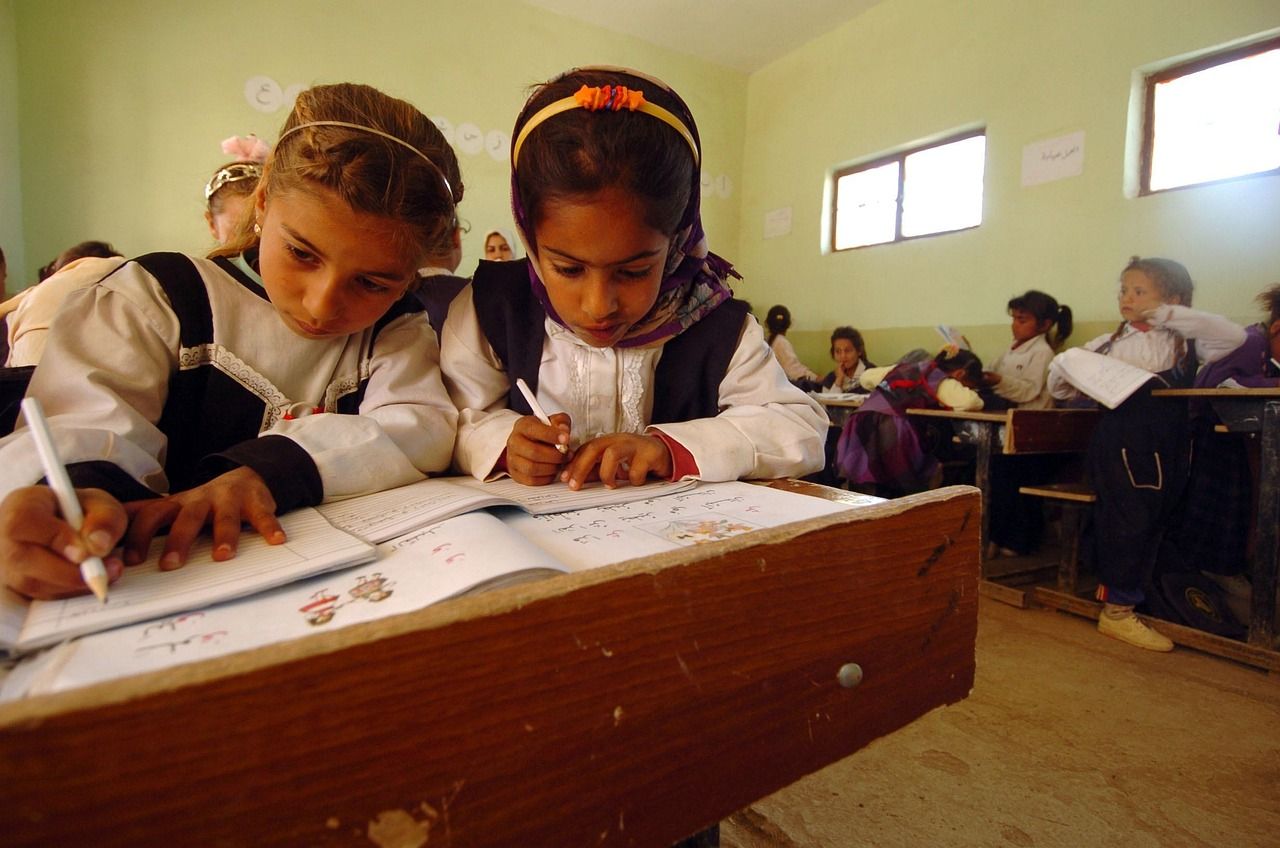
The fact that so many students—especially those under 15—are at risk of dropping out is a stark warning that Hong Kong’s education system is not serving all its students effectively.
This is more than just an education issue. If left unaddressed, it could reshape Hong Kong’s future, leading to a struggling economy, increased crime, and social unrest.
Hong Kong still has a chance to act—but only if policymakers move beyond short-term solutions and implement long-lasting reforms to keep students in school and engaged in learning.
Because when education fails, it’s not just students who lose. It’s an entire society.






0 comments