
Your Read is on the Way
Every Story Matters
Every Story Matters
The Hydropower Boom in Africa: A Green Energy Revolution Africa is tapping into its immense hydropower potential, ushering in an era of renewable energy. With monumental projects like Ethiopia’s Grand Ethiopian Renaissance Dam (GERD) and the Inga Dams in the Democratic Republic of Congo, the continent is gearing up to address its energy demands sustainably while driving economic growth.
Northern Kenya is a region rich in resources, cultural diversity, and strategic trade potential, yet it remains underutilized in the national development agenda.

Can AI Help cure HIV AIDS in 2025

Why Ruiru is Almost Dominating Thika in 2025

Mathare Exposed! Discover Mathare-Nairobi through an immersive ground and aerial Tour- HD

Bullet Bras Evolution || Where did Bullet Bras go to?
China, the U.S.’s largest trading partner, has long been at the center of America’s tariff strategy. Throughout the course of President Trump's tenure, tariffs against Chinese goods have escalated, leading to a tit-for-tat response from Beijing. While these retaliatory actions might initially seem punitive, they could, in fact, be part of a larger strategy to achieve greater economic independence.
For years, China has been working to reduce its dependence on U.S. imports and shift towards a more self-sufficient model. These tariffs might accelerate that transition, pushing China to focus on developing homegrown technologies, strengthening its domestic market, and diversifying its trade relationships with other regions such as Africa and Southeast Asia. As the U.S. imposes more tariffs on Chinese products, Beijing may find itself forced to innovate at a faster pace, which could ultimately benefit its economy in the long run.
While the immediate effects are felt in industries such as technology and manufacturing, China’s long-term vision could shift these tariffs from being a mere punishment to an unintentional catalyst for rapid growth and transformation. In this sense, what seems like a trade war could end up being the very thing that forces China to evolve into a more resilient, globally competitive power.

The European Union is often considered one of the most powerful economic entities in the world, and it has been hit hard by the latest round of tariffs from the Trump administration. With tariffs imposed on everything from steel and aluminum to luxury goods, the EU’s economy stands to lose billions. In response, the EU has adopted a dual strategy, aiming to both push for negotiations and prepare for the possibility of retaliatory tariffs.
The European Union has made it clear that it wants to avoid further escalation. The EU is deeply committed to multilateralism and diplomatic solutions, advocating for international trade agreements that benefit all parties. As a result, European leaders have called for dialogue with the U.S., seeking to resolve the dispute through talks rather than further punitive actions.
However, the EU is also not afraid to retaliate. European officials have indicated that if the U.S. continues down the path of escalating tariffs, they are prepared to impose their own measures, targeting key American exports. These retaliatory tariffs could hurt the U.S. in the short term, but they may also serve as leverage in future trade negotiations. From the EU’s perspective, these tariffs may not just be about defense; they could be an opportunity to challenge U.S. economic dominance and reset the terms of global trade.
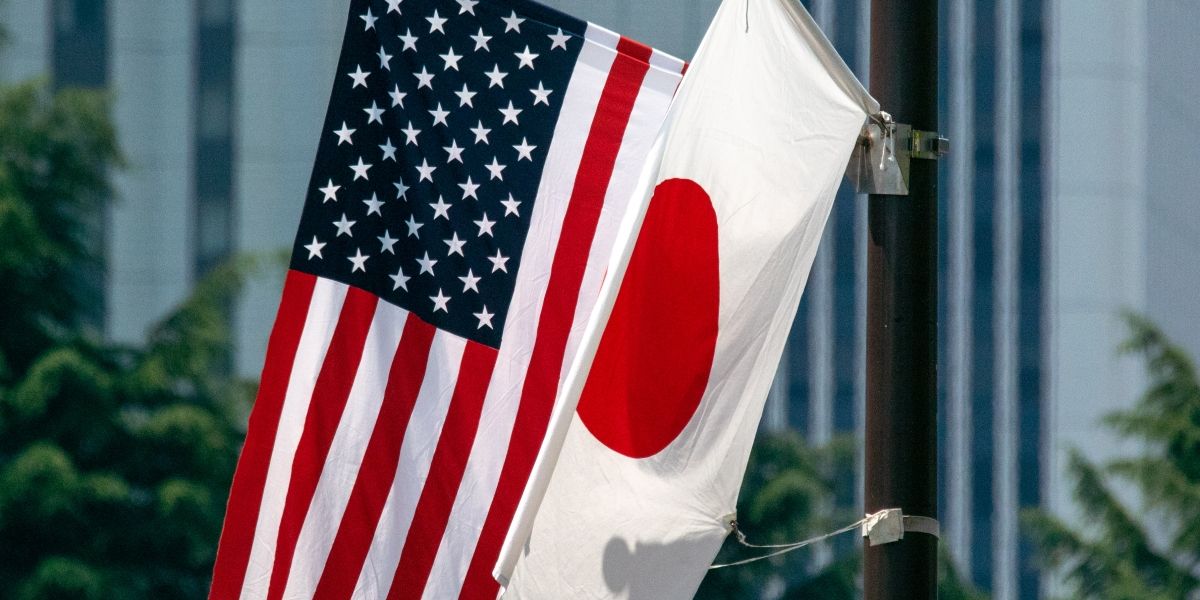
Japan, as both a close U.S. ally and a major global economic player, faces a complex dilemma in the wake of Trump’s tariffs. The automotive and technology sectors are particularly vulnerable, given Japan’s heavy reliance on exports to the United States. However, Japan is no stranger to navigating the intricacies of international trade, and its response has been measured and strategic.
On one hand, Japan must maintain its strong diplomatic and economic ties with the United States, as the U.S. remains one of its most important trading partners. On the other hand, Japan cannot afford to ignore the negative impacts these tariffs will have on its industries. As a result, Japan has been exploring opportunities to strengthen trade relationships with other countries, particularly in the Asia-Pacific region.
In this context, the tariffs could serve as a catalyst for Japan to deepen its economic partnerships with other countries, thus reducing its reliance on the U.S. While the tariffs may initially seem like a punitive move, they could ultimately lead Japan to diversify its trade relationships, fortifying its position in a rapidly changing global economy. The challenge will be for Japan to maintain a careful balance between keeping ties with Washington strong while also seeking out new opportunities in emerging markets.
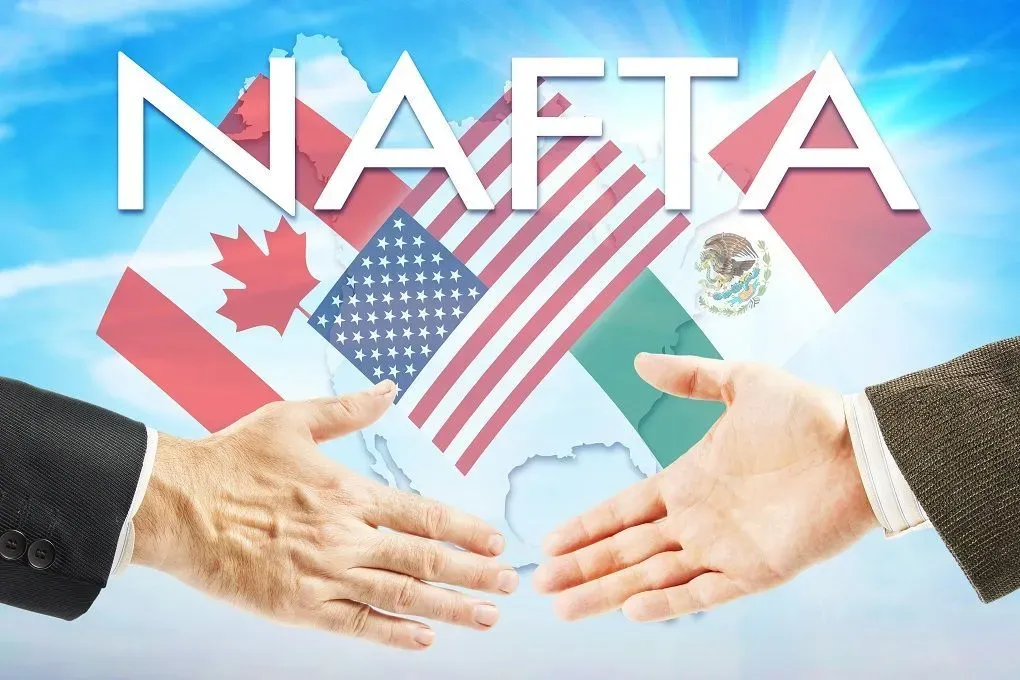
For Canada and Mexico, the new tariffs represent a significant challenge, not just in terms of trade but also in how they navigate their relationship with the United States. As close neighbors and partners within the framework of the North American Free Trade Agreement (NAFTA), both countries are deeply intertwined with the U.S. economy. The tariffs imposed by the Trump administration threaten to disrupt these close ties, leaving Canada and Mexico scrambling for alternative solutions.
Canada, with its smaller economy and closer ties to the U.S., has opted for a diplomatic approach. Canadian officials have expressed disappointment with the tariffs and have been working to find a peaceful resolution through negotiations. However, Canada is also aware that it needs to protect its economic interests and has been preparing retaliatory tariffs on key American goods. This combination of diplomacy and defense reflects Canada’s strategy of maintaining strong ties with the U.S. while also preparing for the worst.
Mexico, on the other hand, has been more proactive in seeking new trade opportunities. President Andrés Manuel López Obrador’s government has used the tariffs as a catalyst to deepen Mexico’s trade relationships with countries in Latin America, Europe, and Asia. The U.S. pressure could ultimately lead Mexico to diversify its economy and reduce its dependency on American markets, a move that could have long-term benefits for the Mexican economy.
Both Canada and Mexico, while hurt by the tariffs, may find that the pressure from the U.S. pushes them toward greater cooperation within North America and beyond. By focusing on regional economic unity and strengthening their relationships with other global powers, both countries have the opportunity to reshape the future of North American trade.
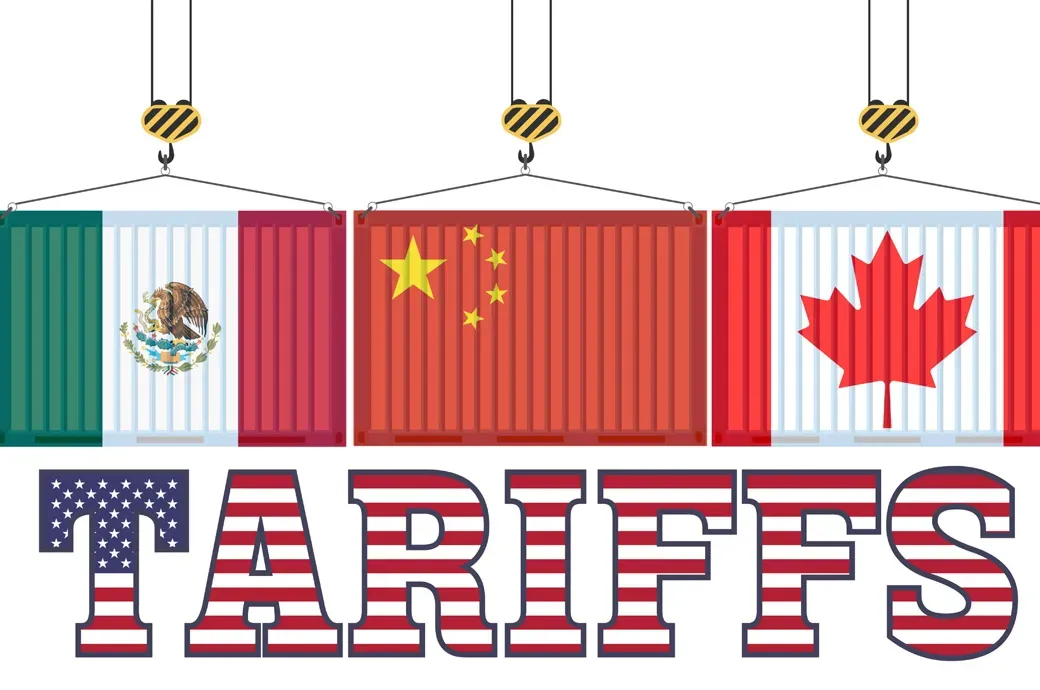
As the U.S. implements more tariffs on major trading partners, the world watches with bated breath. While these measures may be designed to punish countries for perceived unfair trade practices, the long-term effects may be more complicated. Countries like China, Japan, and Mexico may view the tariffs as an opportunity to accelerate their economic self-sufficiency and reduce their reliance on U.S. markets.
The tariffs are not just a temporary disruption; they are part of a larger shift in global trade dynamics. Countries that once relied heavily on the U.S. are now looking to diversify their economic relationships, forging new partnerships and realigning global trade routes. The question remains: will these tariffs ultimately lead to a more fragmented global economy, or will they spark new opportunities for cooperation and growth?
In the end, what may initially appear to be a punitive measure could, in fact, turn out to be a strategically timed gift. By forcing nations to reconsider their trade dependencies and rethink their economic strategies, the tariffs could reshape the global trade landscape in ways that benefit everyone—even if the road to get there is filled with tension and uncertainty.






0 comments