
Your Read is on the Way
Every Story Matters
Every Story Matters
The Hydropower Boom in Africa: A Green Energy Revolution Africa is tapping into its immense hydropower potential, ushering in an era of renewable energy. With monumental projects like Ethiopia’s Grand Ethiopian Renaissance Dam (GERD) and the Inga Dams in the Democratic Republic of Congo, the continent is gearing up to address its energy demands sustainably while driving economic growth.
Northern Kenya is a region rich in resources, cultural diversity, and strategic trade potential, yet it remains underutilized in the national development agenda.

Can AI Help cure HIV AIDS in 2025

Why Ruiru is Almost Dominating Thika in 2025

Mathare Exposed! Discover Mathare-Nairobi through an immersive ground and aerial Tour- HD

Bullet Bras Evolution || Where did Bullet Bras go to?
The Unfinished State the World Refuses to Ignore
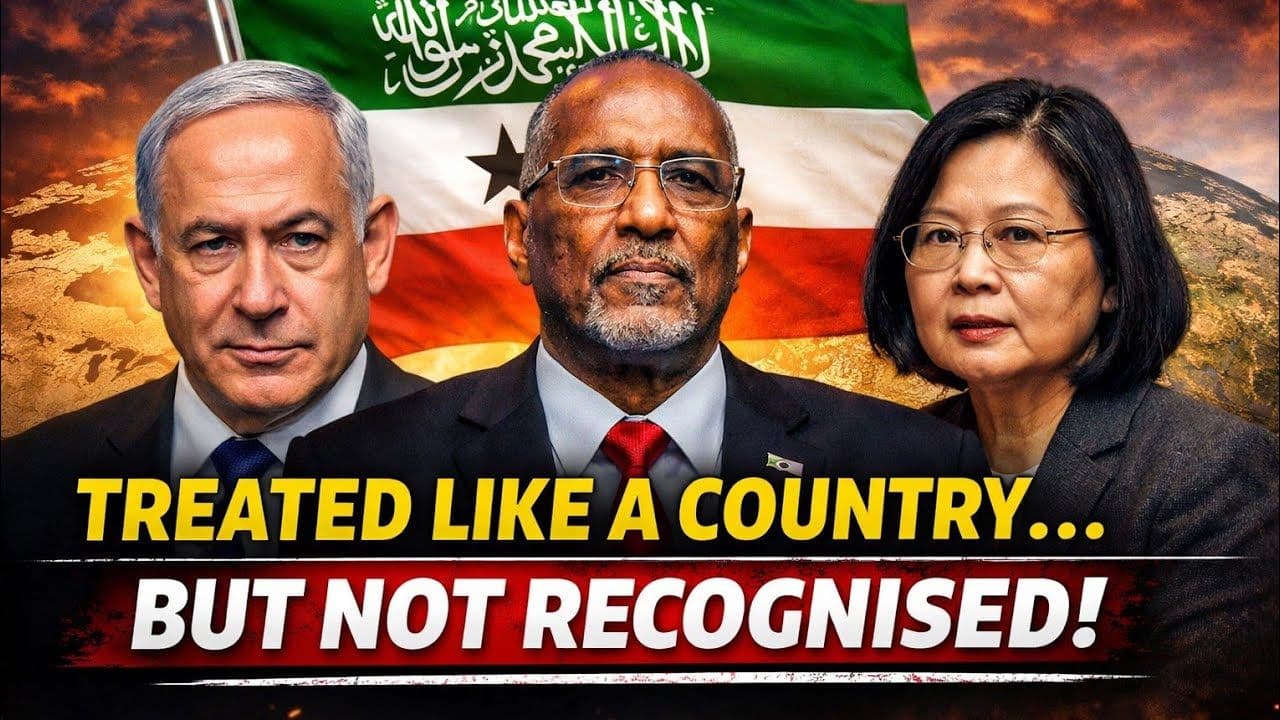
Somaliland occupies a strange and uncomfortable space in global politics. It governs itself, runs elections, controls its borders, maintains security, and issues passports. By every practical measure, it behaves like a state. Yet on paper, it is treated as a region of Somalia — a country it voluntarily walked away from more than three decades ago.
The contradiction is stark. Somaliland is not collapsing, not at war, and not governed by militias. Instead, it is stable in a region famous for instability. Still, the international system, rigid and cautious, has largely refused to acknowledge that reality. Recognition, in this case, has become less about facts on the ground and more about fear of precedent.
Formal Recognition: A Door Barely Open
For most of its modern history, Somaliland had zero formal recognition. That changed only recently, when one country finally crossed the diplomatic Rubicon and recognised it as a sovereign state. That move shattered a long-standing silence but did not trigger a domino effect.
Why? Because recognition is rarely moral; it is strategic. States calculate consequences: relations with Somalia, African Union doctrine, regional stability, and global alliances. One recognition does not automatically unlock others. It merely tests the waters.
The Rise of “Officially Unofficial” Diplomacy
Where formal recognition fails, informal diplomacy thrives. Somaliland has quietly built a dense web of relationships that stop just short of legal acknowledgement. These are not accidental friendships. They are structured, deliberate, and often mutually beneficial.
Several countries maintain representative or liaison offices in Hargeisa. These offices handle trade, development cooperation, security coordination, and political dialogue. They look like embassies, function like embassies, and are staffed like embassies — but are never called embassies.
This careful language is not weakness. It is diplomatic theatre. Countries want access to Somaliland without provoking Somalia or undermining continental norms. Somaliland, in turn, accepts the ambiguity because engagement is better than isolation.
Taiwan: Recognition Without the Word
No relationship illustrates this better than Somaliland’s ties with Taiwan. The two operate reciprocal representative offices, exchange senior officials, and openly describe each other as partners. The symbolism is powerful: two entities locked out of the traditional diplomatic system choosing each other.
Yet even here, the word “recognition” is avoided. Taiwan understands the cost of that word better than most. The partnership is real, functional, and politically meaningful — but legally careful. It reflects a new kind of diplomacy, where substance matters more than labels.
Neighbours Who Depend but Won’t Declare
In the Horn of Africa, pragmatism often outweighs ideology. Somaliland’s neighbours engage deeply, especially on trade, ports, security, and movement of people. Livestock exports, port access, and transit routes bind them together.
Yet none of these neighbours has formally recognised Somaliland. Doing so would redraw political maps, upset regional balances, and invite diplomatic backlash. Instead, cooperation continues quietly, often intensifying even as official positions remain unchanged.
This is the paradox of Somaliland’s regional diplomacy: it is essential, yet officially invisible.
Western Powers and the Comfort of Ambiguity
Western countries have long interacted with Somaliland through development agencies, political envoys, and security cooperation. Elections are observed. Funds are channelled. Officials visit. Statements are issued praising stability and democracy.
Still, recognition is withheld.
For these states, ambiguity is convenient. It allows engagement without responsibility. Recognition would bring obligations: treaties, defence expectations, and diplomatic commitments. Non-recognition keeps Somaliland useful but distant — admired, supported, but never fully embraced.
Why Recognition Remains So Hard
At the heart of Somaliland’s struggle is not legality but precedent. Many governments fear that recognising Somaliland would encourage other separatist or breakaway regions worldwide. The African Union, in particular, remains anchored to colonial borders, even when those borders have clearly failed.
Somalia’s own objections also matter. Despite lacking authority over Somaliland, its internationally recognised status gives it diplomatic leverage. Few countries are willing to antagonise Mogadishu outright, even when realities on the ground tell a different story.
Recognition, then, becomes a hostage of global caution.
A State Waiting for the World to Catch Up
Somaliland is not waiting idly. It continues to build institutions, court investors, host foreign delegations, and position itself as a strategic player along critical maritime routes. Each unofficial relationship strengthens its case, even if none seals the deal.
History suggests that recognition rarely comes suddenly. It creeps in through practice, necessity, and shifting interests. Somaliland’s bet is that one day, the gap between how it functions and how it is treated will become too large to ignore.
Until then, it remains what it has always been: unrecognised on paper, indispensable in reality.



0 comments