
Your Read is on the Way
Every Story Matters
Every Story Matters
The Hydropower Boom in Africa: A Green Energy Revolution Africa is tapping into its immense hydropower potential, ushering in an era of renewable energy. With monumental projects like Ethiopia’s Grand Ethiopian Renaissance Dam (GERD) and the Inga Dams in the Democratic Republic of Congo, the continent is gearing up to address its energy demands sustainably while driving economic growth.
Northern Kenya is a region rich in resources, cultural diversity, and strategic trade potential, yet it remains underutilized in the national development agenda.

Can AI Help cure HIV AIDS in 2025

Why Ruiru is Almost Dominating Thika in 2025

Mathare Exposed! Discover Mathare-Nairobi through an immersive ground and aerial Tour- HD

Bullet Bras Evolution || Where did Bullet Bras go to?
The Israeli government's decision to allow limited humanitarian supplies into Gaza has ignited sharp backlash from within Prime Minister Benjamin Netanyahu’s own far-right coalition. This move, which barely trickled into Gaza with just five trucks on Monday, came as Israeli forces pressed forward with aggressive ground and air campaigns that left more Palestinian civilians, including children, dead.
Security Minister Itamar Ben Gvir—once convicted of inciting racism and backing a banned extremist group—slammed Netanyahu’s gesture as capitulation. He accused the Prime Minister of “feeding Hamas while our hostages rot in tunnels.” The criticism has exposed deep fractures within the ruling coalition, raising questions about how long Netanyahu can hold together his increasingly divided government amid mounting international scrutiny.
The humanitarian aid that entered Gaza has been described as tokenistic, especially in contrast to the relentless Israeli military escalation. Civilians, many already displaced and starving, are being killed in areas presumed to be safe zones. Airstrikes and artillery fire continue unabated, devastating families and vital infrastructure. For many critics, the so-called relief effort seems more like a cynical PR gesture than a meaningful step toward de-escalation.
The humanitarian toll is staggering. With aid convoys nearly halted, famine looms. The five trucks that entered on Monday are a drop in an ocean of need, particularly as the health system has all but collapsed. For human rights advocates and international observers, the cruelty lies not only in the death toll but in the slow strangulation of a population’s access to basic survival.
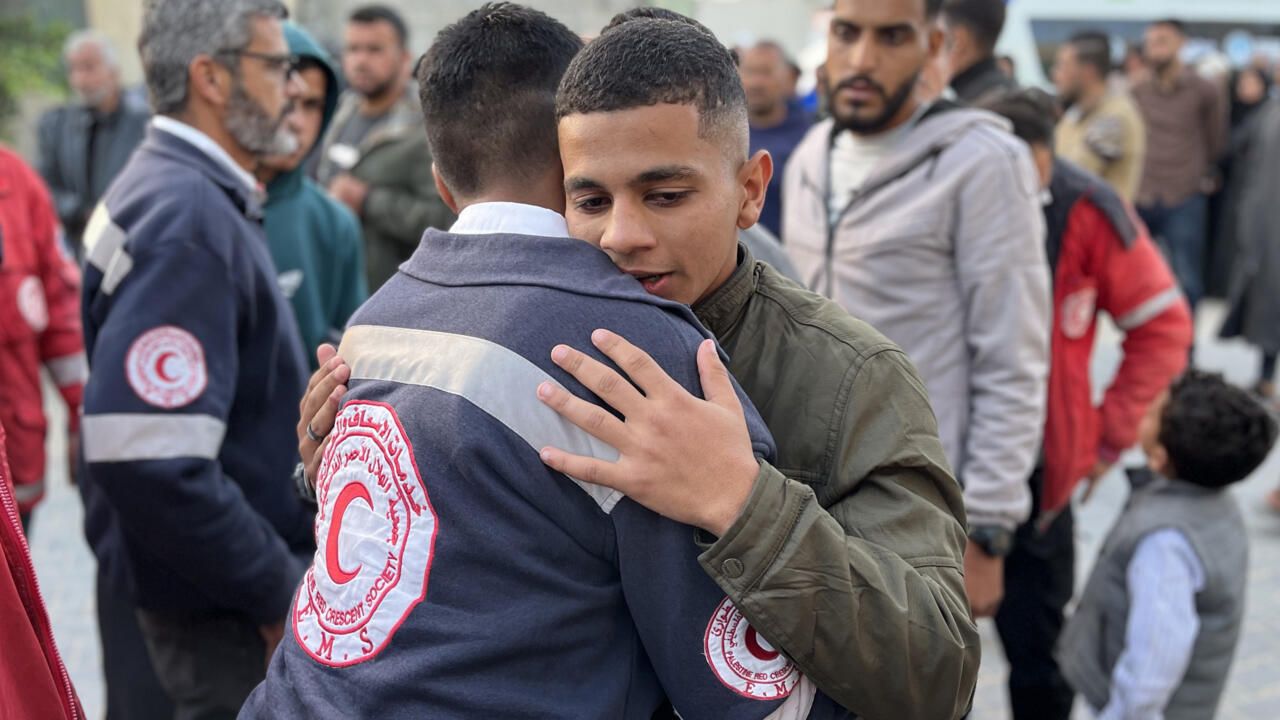
While global criticism of Israel’s military campaign has been simmering for months, a single incident has now pushed it to a boil. On March 23, Israeli forces killed 15 paramedics and aid workers in a deliberate strike on a humanitarian convoy. The attack came just five days after Israel broke a two-month ceasefire with a massive air offensive.
The attempt to cover up the killings failed when a mobile phone, buried with one of the victims in a shallow grave, was recovered. Footage captured by the slain aid worker showed that Israeli troops had systematically targeted clearly marked ambulances—vehicles that were illuminated and unarmed. The video contradicted official Israeli claims that the convoy posed a threat.
This chilling documentation has become a rallying point for critics, cutting through the fog of war and forcing even staunch allies of Israel to publicly reconsider their positions.
The fallout from the March 23 killings is reverberating beyond Gaza. European nations—most notably France, the UK, and Canada—have finally shifted tone. Their joint statement condemning Israel’s renewed offensive was the strongest diplomatic rebuke yet. French President Emmanuel Macron has led this pivot, emphasizing that Israel’s actions cross humanitarian and legal red lines.
A senior European diplomat involved in drafting the statement confirmed it reflects “a real sense of growing political anger” over the apparent impunity with which Israel is conducting its war. The document warned: “We will not stand by while the Netanyahu government pursues these egregious actions. If Israel does not cease its offensive and lift restrictions on aid, we will take further concrete steps.”
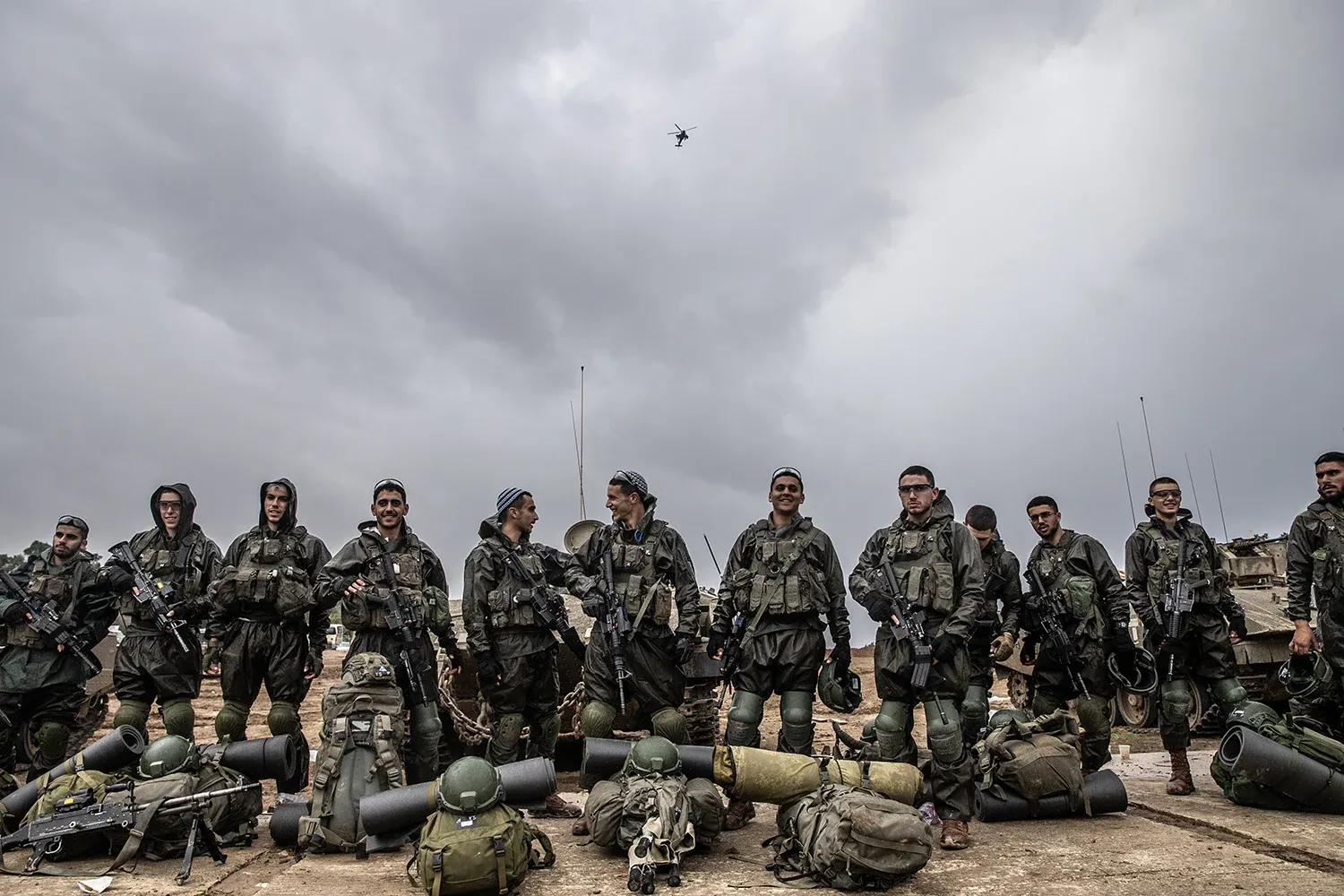
What those steps might be remains deliberately vague, but the undertones suggest significant geopolitical consequences may be on the table.
Behind closed doors, some of Israel’s long-time Western allies are contemplating drastic measures. France is reportedly weighing recognition of Palestinian statehood, a move that would place it among 148 countries that already acknowledge Palestine as a sovereign state. The UK is also said to be engaged in similar conversations with France, possibly setting the stage for a coordinated diplomatic shift.
While Israel warns that such moves would reward Hamas and undermine peace, the mood in Western capitals suggests Israel’s leverage is waning. The international patience that shielded Israel from full diplomatic fallout for much of the conflict is eroding quickly.
Prime Minister Netanyahu may have hoped to consolidate political power through a hardline military stance, but the events of recent weeks suggest he is instead isolating Israel diplomatically and destabilizing his own administration. The far-right elements of his coalition are growing increasingly hostile, while international allies appear to be running out of patience.
The cost of this gamble is already evident—on the ground in Gaza, in European capitals, and potentially within Netanyahu’s own ranks. If global pressure continues to mount and real political actions follow, the fallout may not just be geopolitical—it may be personal.






0 comments