The Hydropower Boom in Africa: A Green Energy Revolution
Africa is tapping into its immense hydropower potential, ushering in an era of renewable energy. With monumental projects like Ethiopia’s Grand Ethiopian Renaissance Dam (GERD) and the Inga Dams in the Democratic Republic of Congo, the continent is gearing up to address its energy demands sustainably while driving economic growth.
Incredible Views of Major Northern Kenya Towns 2025
Northern Kenya is a region rich in resources, cultural diversity, and strategic trade potential, yet it remains underutilized in the national development agenda.
Mathare Exposed! Discover Mathare-Nairobi through an immersive ground and aerial Tour- HD
Bullet Bras Evolution || Where did Bullet Bras go to?
Deadly Storms and Tornadoes Devastate the United States
16/03/2025
7mo
0
0
0
0
Deadly storms and tornadoes devastate the U.S. Source: US FILE | Courtesy
0
0
0
0
ByMaya Singh
Key Take-aways from this Story
Tornadoes and storms devastate communities, toppling homes and leaving dozens dead. A blinding dust storm in Kansas causes a massive highway pile-up, leading to tragic fatalities. Widespread power outages leave over 250,000 homes and bus...
A Perfect Storm of Disaster
The skies darkened with fury as a combination of deadly tornadoes, powerful dust storms, and raging wildfires struck multiple states, leaving a trail of destruction in their wake. The United States faced one of its most catastrophic weather events in years, with homes flattened, highways turned into mangled wreckage, and thousands of people displaced overnight. Emergency responders rushed to rescue those trapped in collapsed buildings and vehicles, while overwhelmed hospitals braced for an influx of casualties. The relentless storm system showed no signs of slowing, with meteorologists warning that more devastation could follow in the coming days. Residents in high-risk areas were urged to take immediate precautions, as the deadly combination of extreme weather continued its merciless assault.
Deadly Dust Storm Traps Drivers in Kansas
Kansas bore the brunt of nature’s wrath when a sudden and blinding dust storm turned a busy highway into a scene of unimaginable horror. More than 55 vehicles, including passenger cars, semi-trucks, and emergency response vehicles, were caught in the chaos as visibility dropped to near zero in mere seconds. Survivors described the moment as "apocalyptic," with vehicles colliding into each other at high speeds, leaving metal twisted and bodies trapped in the wreckage.
First responders worked frantically to pull survivors from crushed vehicles, while fires erupted in some of the wrecked cars due to fuel leaks. "One moment, I was driving normally—then, out of nowhere, everything went dark," said a shaken truck driver who managed to escape his vehicle before another crashed into it. Kansas authorities confirmed multiple fatalities and warned that dust storms could become more frequent due to ongoing drought conditions in the region. The devastation left entire families grieving as emergency crews continued to sift through the wreckage, searching for more survivors.
Tornadoes Tear Through Small Towns, Leaving Communities in Ruins
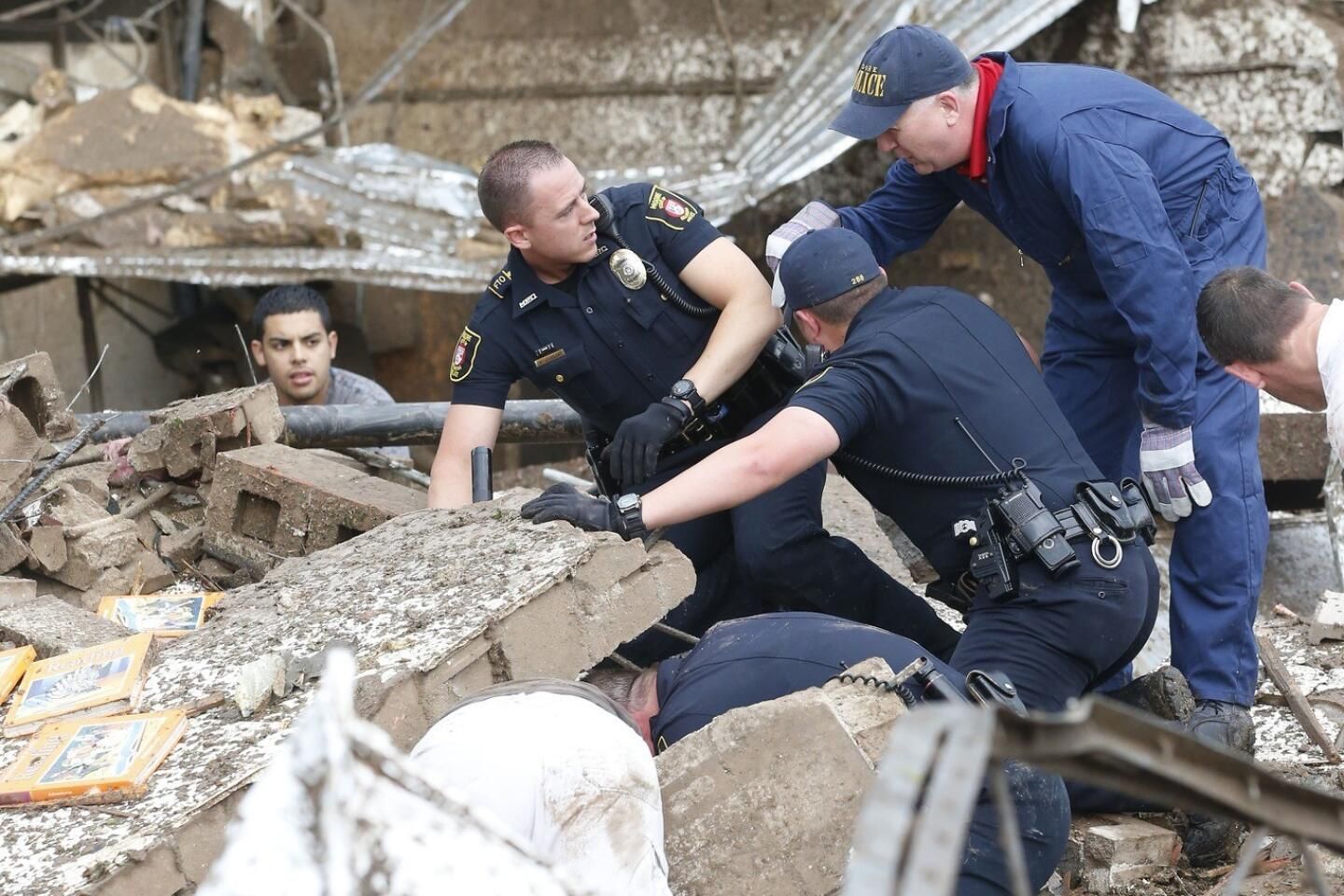
Rescue operation after the wildfires occured in Oklahoma. Source: latimes.com
Further south, a wave of deadly tornadoes tore through communities in Missouri, Mississippi, and surrounding states, reducing entire neighborhoods to rubble. The sheer power of these storms was evident in the destruction they left behind—massive trees uprooted like twigs, power lines snapped, and homes shredded into unrecognizable debris. Missouri was hit particularly hard, with initial reports confirming that at least 12 people lost their lives as the monstrous tornadoes ripped through residential areas without warning.
One of the most heart-wrenching stories came from Butler County, where a family’s home was completely obliterated. "It was unrecognizable as a home—just a debris field," said Coroner Jim Akers, describing the heartbreaking scene. Rescue workers carefully picked through the wreckage, hoping to find survivors. The scale of the destruction was staggering, with some communities left without a single standing structure. Displaced residents, many of whom lost everything, took shelter in emergency relief centers as volunteers and aid workers scrambled to provide food, water, and medical attention.
Missouri’s emergency management agency reported that 19 tornadoes had touched down across 25 counties, a terrifying testament to the intensity of the storm system. The governor declared a state of emergency, vowing that all available resources would be directed toward rescue and recovery efforts. Yet, as the storm system continued to move eastward, the fear of more devastation loomed large.
Wildfires Engulf Large Areas in Oklahoma and Texas
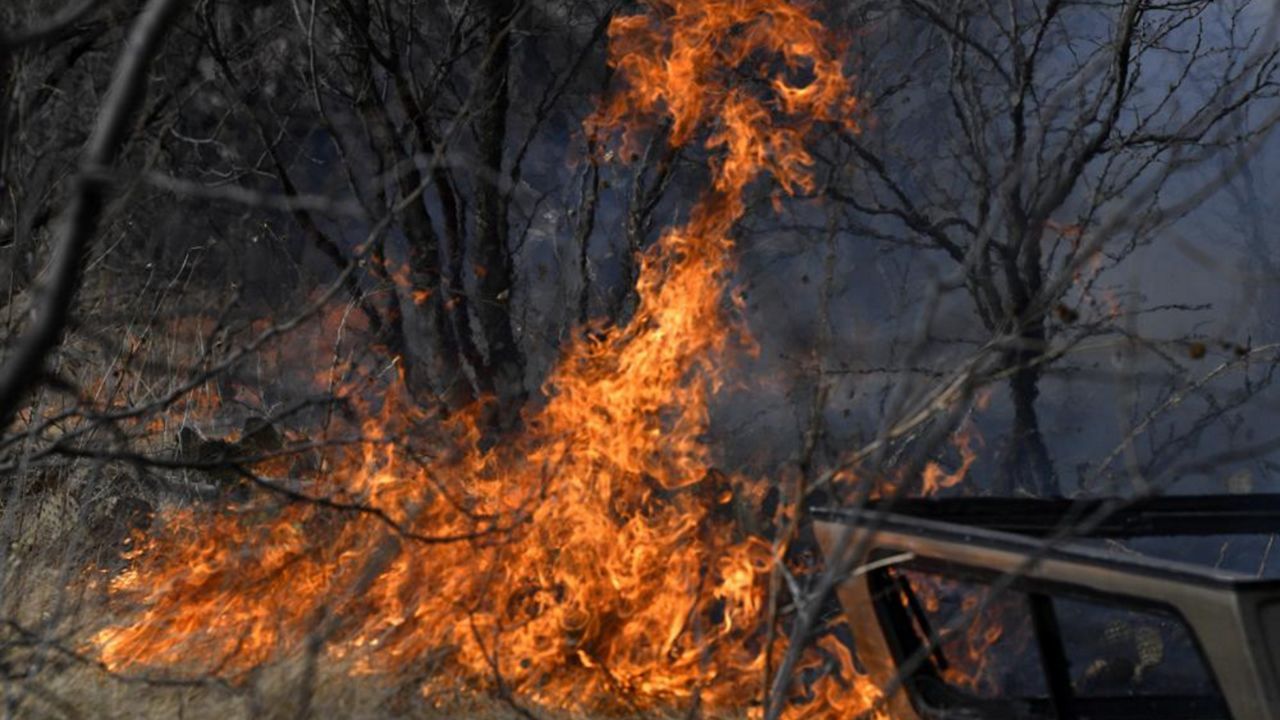
Wildfires in Texas and Oklahoma. Source: AP
While tornadoes and dust storms wreaked havoc elsewhere, Oklahoma and Texas battled a different kind of nightmare—wildfires that burned uncontrollably across vast areas, destroying homes, farms, and critical infrastructure. Fueled by dry conditions, high winds, and the already chaotic storm system, these fires spread at an alarming rate, leaving firefighters overwhelmed. The Oklahoma Forestry Service reported that the largest blaze, dubbed the "840 Road Fire," had already consumed over 27,500 acres and remained 0% contained.
Entire communities were forced to evacuate as flames raced toward their homes with terrifying speed. "The fire moved so fast, we barely had time to grab our belongings," said one resident, watching helplessly as thick plumes of smoke swallowed the sky. Firefighters worked tirelessly to contain the infernos, but shifting winds made their job nearly impossible. Authorities issued multiple "red flag" warnings, signaling extreme fire danger across large swaths of land.
Texas, still reeling from a deadly dust storm, faced its own wildfire outbreak, with more than 100 separate fires reported in various parts of the state. Several highways were shut down due to smoke-related visibility issues, adding to the chaos. Emergency services braced for a long battle ahead, as weather forecasts showed no immediate relief from the dry conditions and high winds fueling the flames.
Emergency Declarations as Power Fails
As the destruction unfolded across multiple states, local governments scrambled to issue emergency declarations to mobilize disaster relief efforts. Missouri, Oklahoma, Arkansas, and Georgia were among the states that declared states of emergency, allowing for the rapid deployment of resources to affected communities. In some areas, emergency shelters were filled to capacity as families sought refuge from the ongoing chaos.
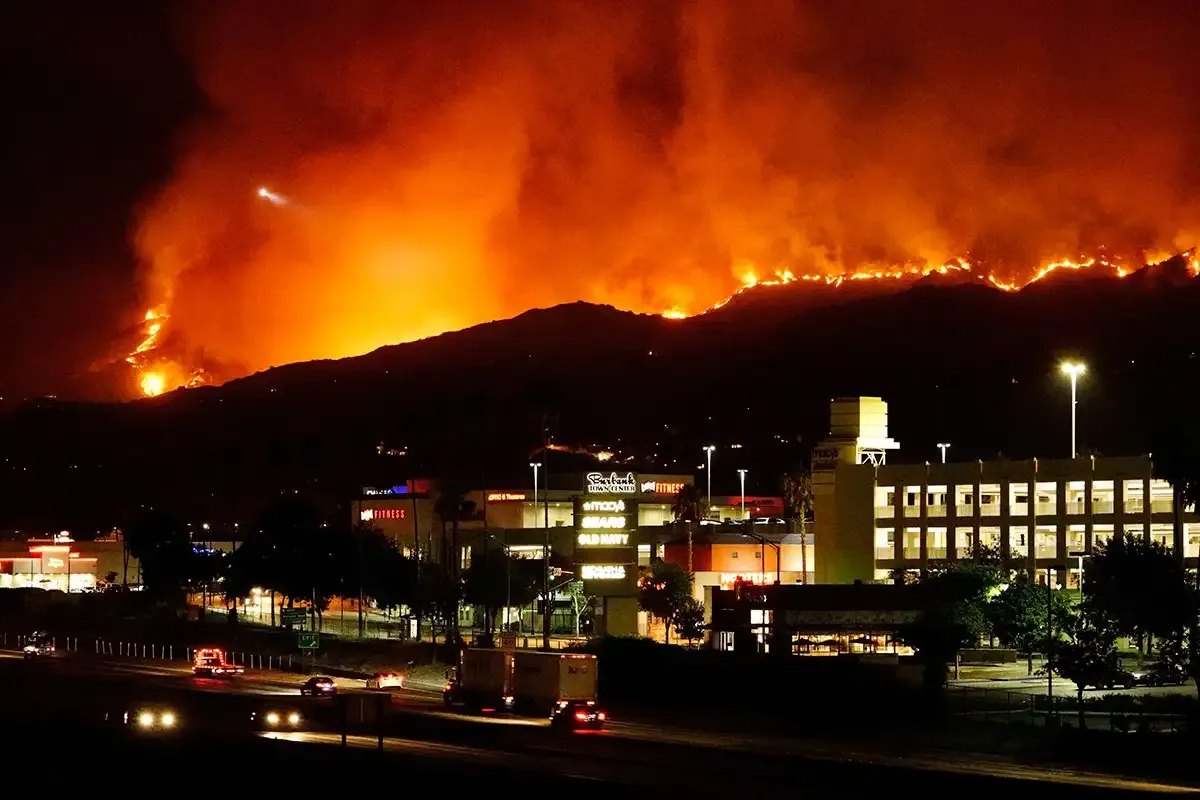
Power outages added another layer of difficulty, with more than 250,000 properties left in the dark overnight. Source: Getty Images
Power outages added another layer of difficulty, with more than 250,000 properties left in the dark overnight. Residents in Missouri, Illinois, and Michigan faced widespread blackouts as power lines were downed by strong winds and falling debris. In many areas, the outages were expected to last for days, if not weeks, as crews struggled to restore service amid hazardous conditions.
State officials urged residents to remain indoors and avoid unnecessary travel, warning that further extreme weather was on the horizon. The National Weather Service issued additional tornado watches across Louisiana, Georgia, Tennessee, and Florida, raising fears that the worst was not yet over.
Bracing for More Destruction
As the dust settles and the skies temporarily clear, communities are left to pick up the pieces from what has been one of the most devastating weather events in recent history. Families mourn lost loved ones, while others cling to hope that missing relatives may still be found. Across the affected regions, rescue crews continue their tireless work, determined to save as many lives as possible.
Meteorologists warn that the conditions responsible for this outbreak are still present, meaning more extreme weather could be on the horizon. Tornado Alley, already known for its volatile storms, has once again proven why it holds its ominous name. And as emergency responders brace for further disasters, one thing is certain—the resilience of these battered communities will be tested like never before.











0 comments