
Your Read is on the Way
Every Story Matters
Every Story Matters
The Hydropower Boom in Africa: A Green Energy Revolution Africa is tapping into its immense hydropower potential, ushering in an era of renewable energy. With monumental projects like Ethiopia’s Grand Ethiopian Renaissance Dam (GERD) and the Inga Dams in the Democratic Republic of Congo, the continent is gearing up to address its energy demands sustainably while driving economic growth.
Northern Kenya is a region rich in resources, cultural diversity, and strategic trade potential, yet it remains underutilized in the national development agenda.
Can AI Help cure HIV AIDS in 2025

Why Ruiru is Almost Dominating Thika in 2025

Mathare Exposed! Discover Mathare-Nairobi through an immersive ground and aerial Tour- HD

Bullet Bras Evolution || Where did Bullet Bras go to?
What began as a desperate measure to feed a starving population has turned into a symbol of humanitarian dysfunction. Gaza, once sustained by an established network of aid channels, now faces an unravelling crisis after a controversial aid plan replaced the conventional system. The new approach, meant to ease suffering, has instead triggered widespread disorder, deepened vulnerabilities, and intensified geopolitical fault lines.
When conventional aid routes were abruptly halted, efforts were made to launch an independent relief structure—one that bypassed traditional institutions. The idea, on paper, promised neutrality, speed, and effectiveness. But on the ground, the implementation has yielded the opposite.
Instead of secure distribution points, aid is now offloaded at random locations across war-ravaged zones. Palestinians, in desperate need of sustenance, are forced to journey overnight through dangerous terrain for a slim chance at survival. The absence of coordinated logistics has turned food distribution into a high-stakes gamble, rewarding the fittest and leaving the most vulnerable behind.
Critics of the new aid framework argue that this approach isn’t merely ineffective—it’s political. With centralized control over distribution points and inconsistent delivery, there are growing fears that food itself is being weaponized. Palestinian civilians, many of whom have endured months of siege-like conditions, find themselves herded, monitored, and sometimes denied access altogether.
This emerging pattern of aid rationing under duress has raised ethical and legal red flags. The notion that humanitarian assistance is being dangled as leverage has provoked sharp condemnation from human rights advocates and foreign diplomats alike.
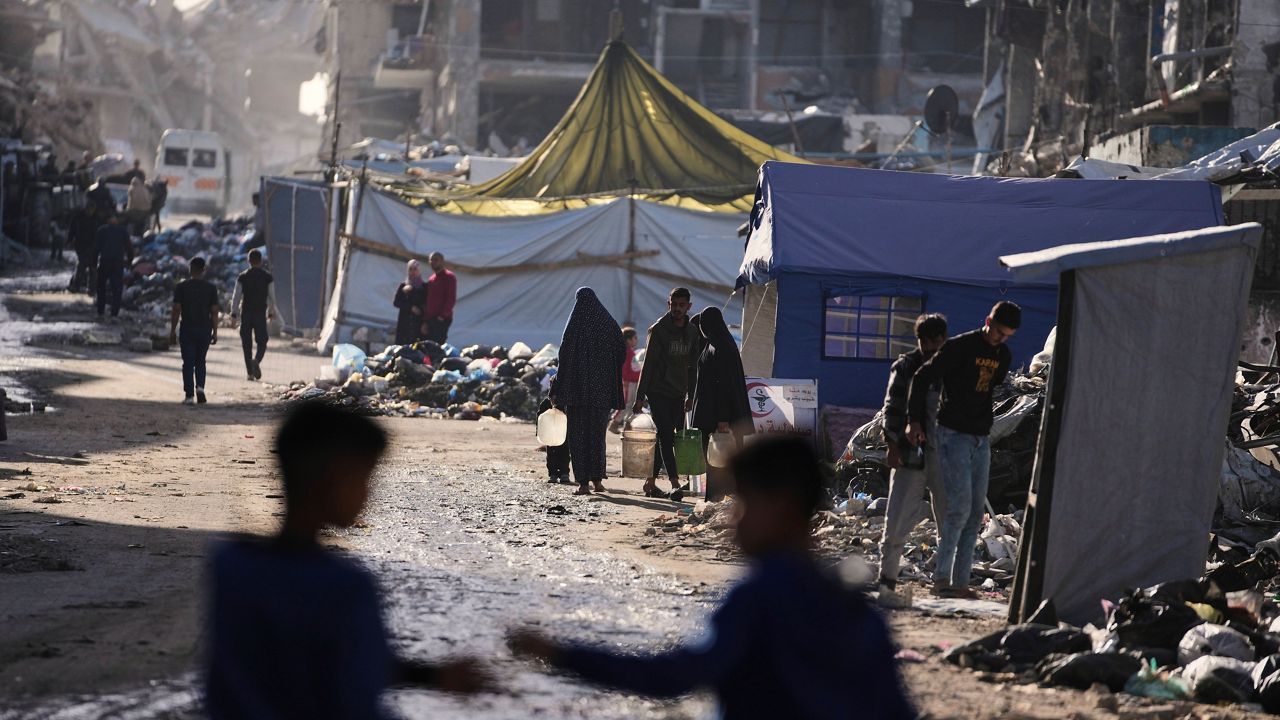
The unraveling of the Gaza Humanitarian Foundation (GHF)—the body initially tasked with overseeing this emergency operation—was marked by the high-profile resignation of its executive director. Citing the impossibility of upholding core humanitarian values, the exit sent a clear message: the system is broken, not just in logistics but in principle.
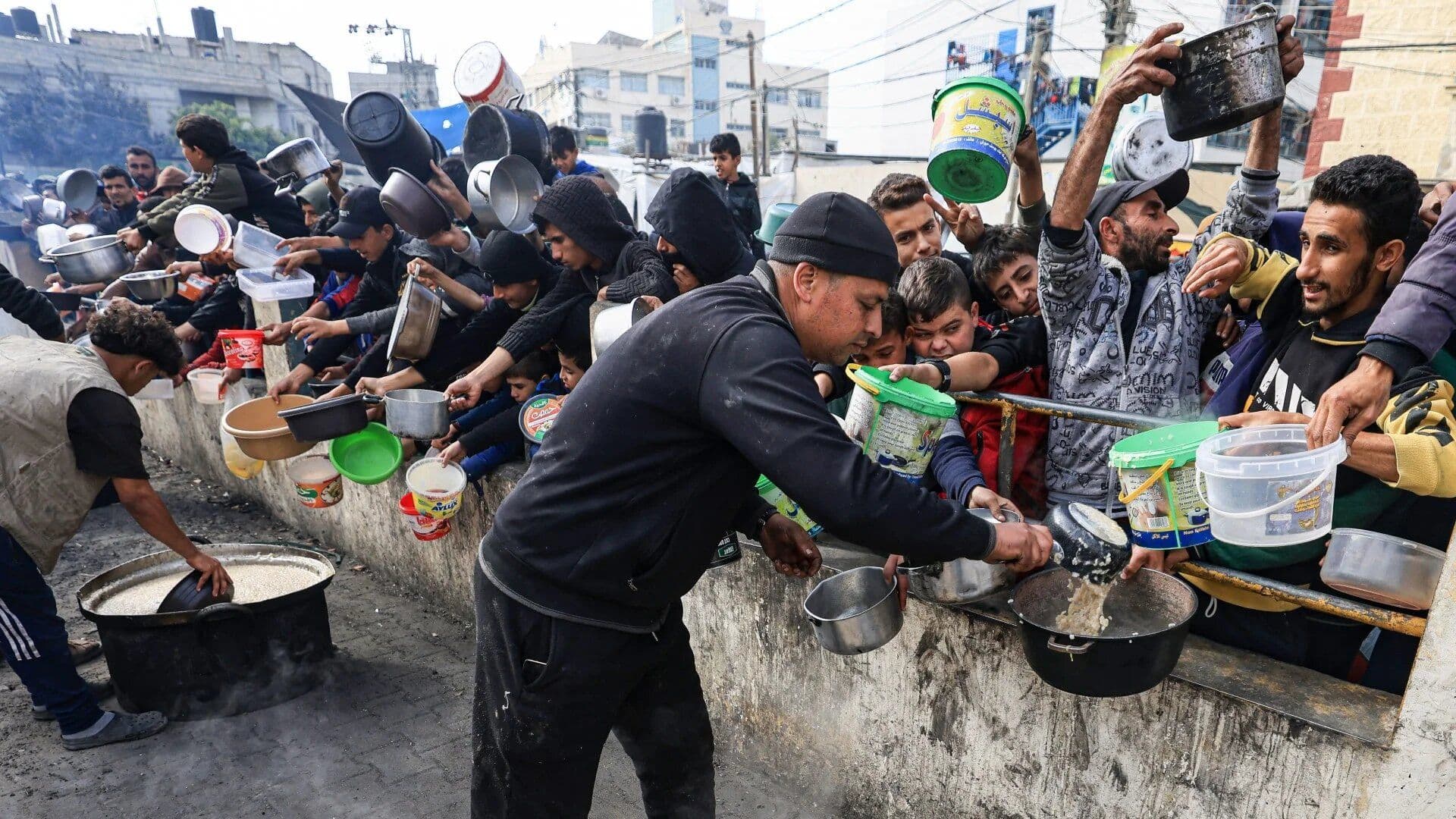
Attempts to scale the effort have failed repeatedly. Crowds form faster than resources arrive. With no structure, people fight to survive. Eyewitnesses describe scenes of desperation morphing into chaos as aid boxes vanish into scuffles, and those who can’t fight are simply left to starve.
Meanwhile, Western capitals are losing patience. Former allies are now openly questioning Israel’s strategic decisions in Gaza, calling for immediate shifts in policy. The message is clear: the current trajectory is unsustainable, morally indefensible, and politically isolating. If conditions do not improve, and if a secure, fair, and humane aid system is not reinstated, countries like the UK, France, and Canada may pivot toward diplomatic recognition of Palestine or impose economic penalties.
Gaza stands at a humanitarian crossroads, where every decision carries life-or-death consequences. The improvised aid structure has exposed the fragility of systems not grounded in law, fairness, or logistical clarity. Without a return to order, coordination, and respect for human dignity, the people of Gaza will remain trapped in a humanitarian vacuum—one where the basic act of seeking food has become a mortal risk.





0 comments