
Your Read is on the Way
Every Story Matters
Every Story Matters
The Hydropower Boom in Africa: A Green Energy Revolution Africa is tapping into its immense hydropower potential, ushering in an era of renewable energy. With monumental projects like Ethiopia’s Grand Ethiopian Renaissance Dam (GERD) and the Inga Dams in the Democratic Republic of Congo, the continent is gearing up to address its energy demands sustainably while driving economic growth.
Northern Kenya is a region rich in resources, cultural diversity, and strategic trade potential, yet it remains underutilized in the national development agenda.

Can AI Help cure HIV AIDS in 2025

Why Ruiru is Almost Dominating Thika in 2025

Mathare Exposed! Discover Mathare-Nairobi through an immersive ground and aerial Tour- HD

Bullet Bras Evolution || Where did Bullet Bras go to?
The Arrest That Sparked a Legal Fight
Yunseo Chung, a Columbia University student who has lived in the United States since she was seven, never imagined that her participation in a political protest would put her immigration status at risk. The 21-year-old was arrested following a pro-Palestinian demonstration at Barnard College, an event that quickly spiraled beyond campus activism. Shortly after the arrest, immigration authorities initiated deportation proceedings against Chung, threatening to uproot her life in the country she has called home for over a decade.
For many, her case reflects growing concerns that political speech and protest are being met with aggressive legal consequences, particularly for immigrants who are more vulnerable to government action. Chung’s arrest not only highlights the intersection of immigration enforcement and political activism but also raises urgent questions about the limits of free expression and whether those who speak out against power are being unfairly targeted.
Alleging Retaliation: The Lawsuit Against the Government
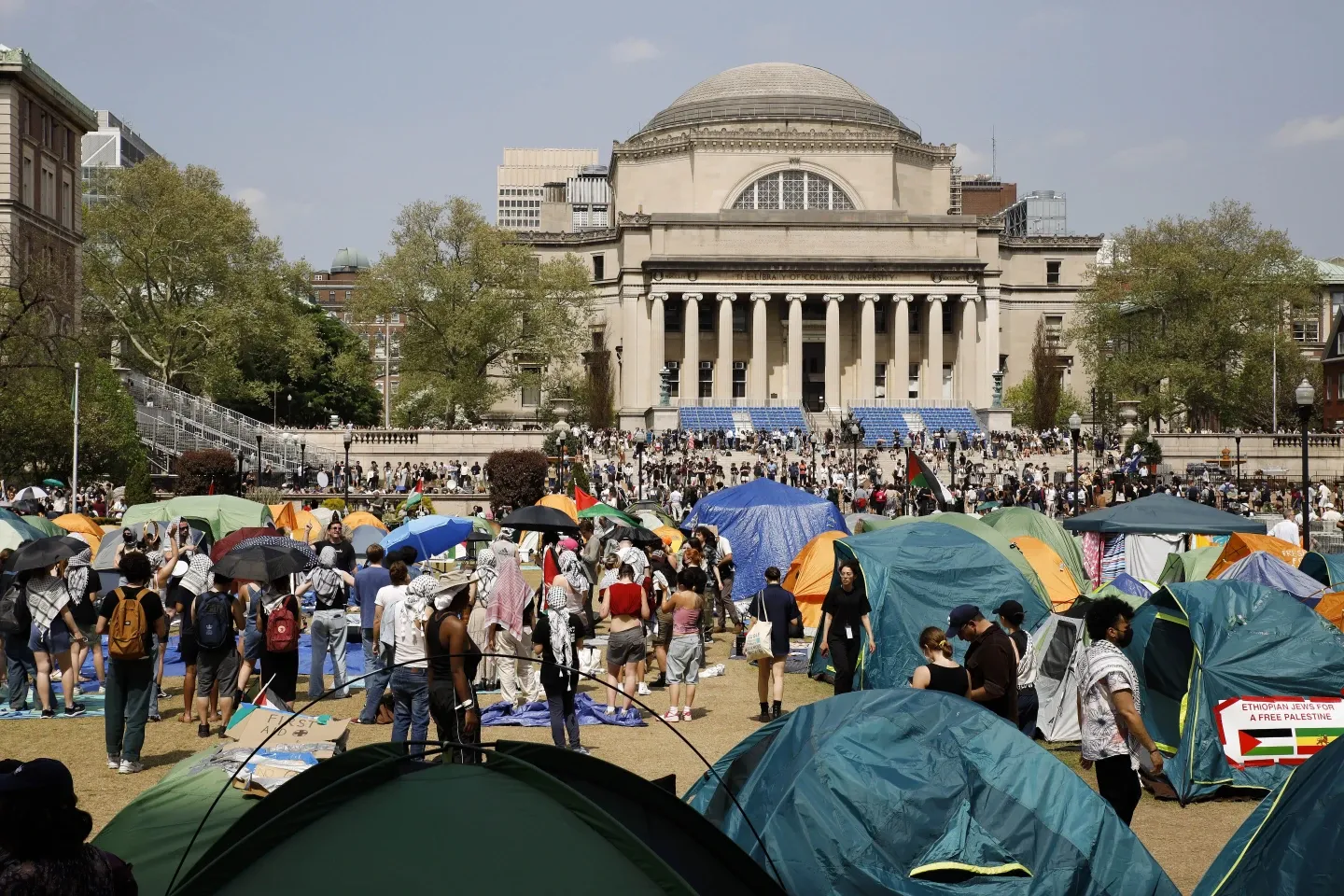
In response to the looming threat of deportation, Chung decided to fight back. She filed a lawsuit against former President Trump and other federal officials, arguing that the government’s attempt to deport her is a form of political retaliation designed to silence her activism. The lawsuit claims that the deportation proceedings violate her First Amendment rights, which protect freedom of speech and peaceful protest. Chung’s legal team argues that her case is not an isolated incident but part of a broader strategy to intimidate and punish those who dissent against government policies.
Her legal action is not just a personal fight; it also stands as a challenge to the increasing use of immigration laws as a weapon against political expression. Through her case, Chung aims to prevent the government from using immigration enforcement as a tool to suppress free speech and to protect others from facing similar retribution.
Legal Protection: A Temporary Lifeline
For now, Chung has secured a temporary reprieve. A federal judge issued a temporary restraining order preventing immigration authorities from detaining or deporting her while the case is ongoing. This legal protection, while not permanent, provides a critical buffer against immediate removal and allows her to continue her education while fighting her case in court.
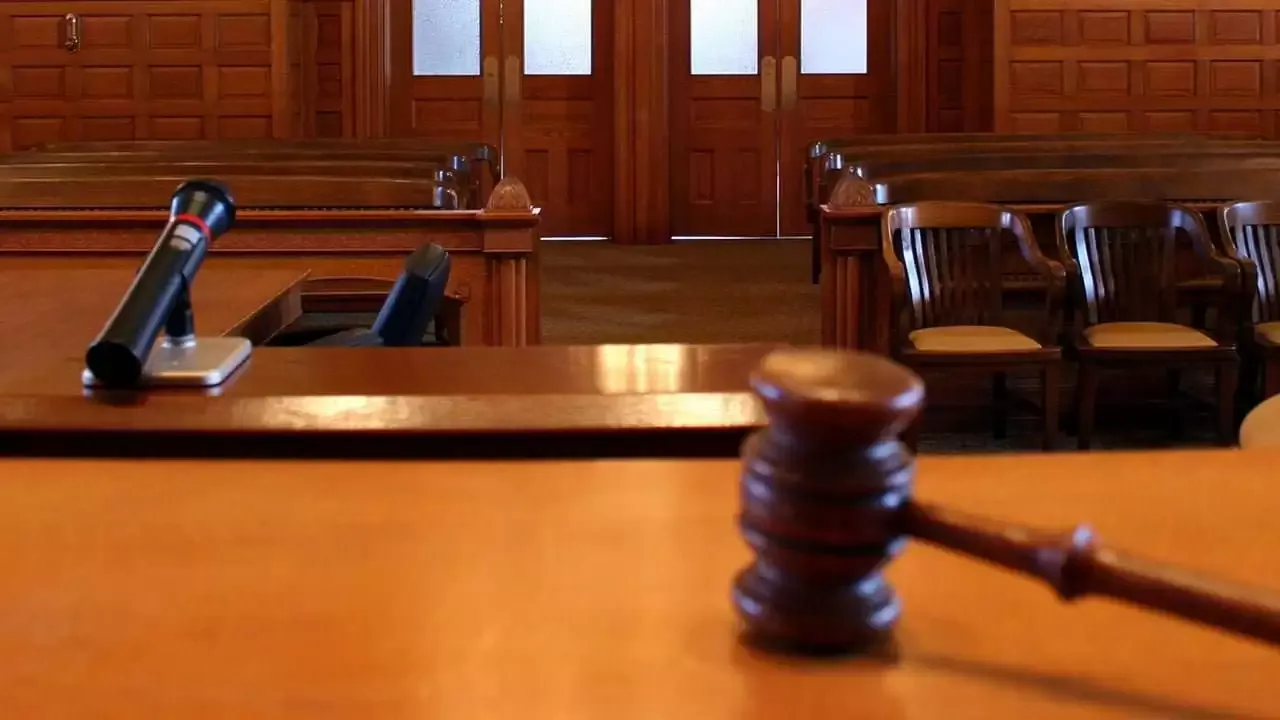
The restraining order reflects judicial concern about the potential abuse of power when it comes to using immigration enforcement against political opponents. Legal experts suggest that the outcome of Chung’s case could have significant implications for how the government balances immigration enforcement with constitutional rights. Her case also underscores the growing tension between immigrant communities and a legal system that many believe is being wielded as a tool of political control.
The Bigger Picture: Activists Under Threat
Chung’s battle is not happening in a vacuum. Her case fits into a larger pattern where immigrant activists across the country face increased scrutiny and legal threats. Critics argue that the government’s use of immigration enforcement to punish dissenters represents a dangerous encroachment on civil liberties. For many immigrant advocates, Chung’s case is a chilling reminder that the consequences of political speech can be severe, especially for those whose immigration status leaves them vulnerable.
The fear is that such actions create a climate where others may be deterred from speaking out against government policies. Supporters of Chung argue that the ability to engage in protest without fear of retaliation is a cornerstone of American democracy, and her case is a crucial test of whether those rights extend equally to immigrants.
What’s Next? The Fight Isn’t Over
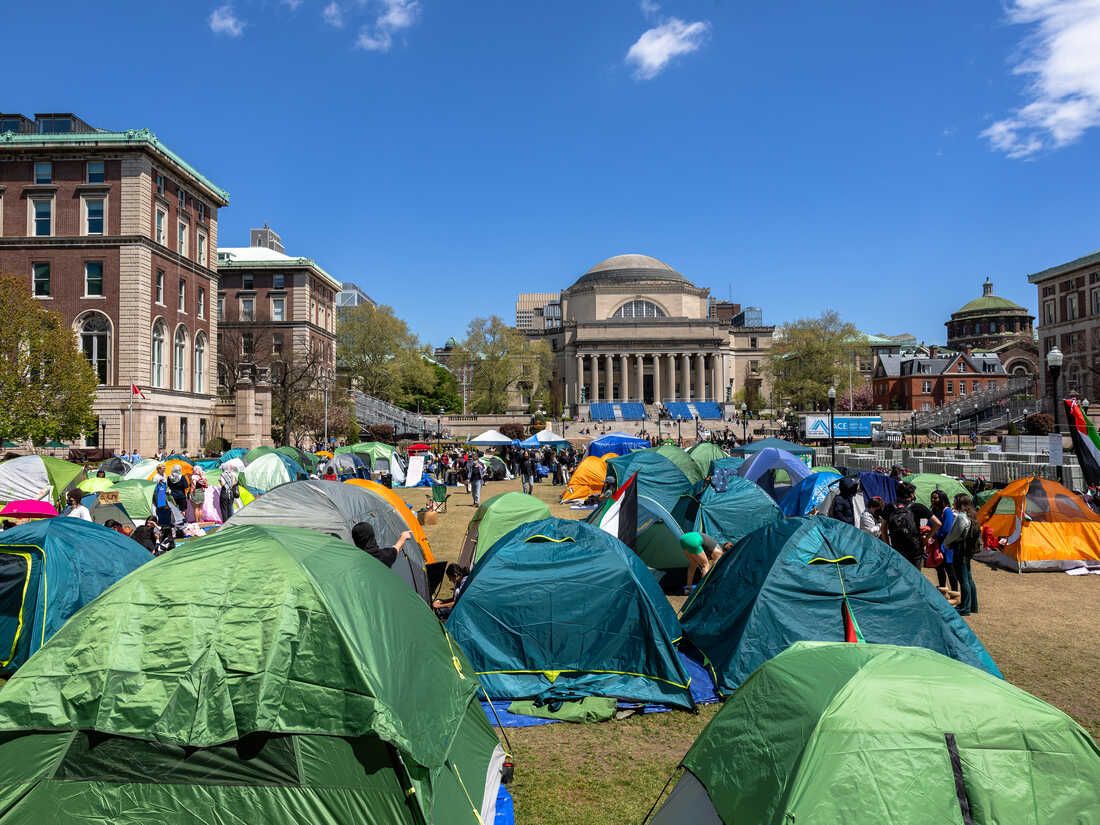
While Chung remains protected from immediate deportation, her legal battle is far from over. The court’s final decision could set a powerful precedent for how immigration laws intersect with the constitutional right to free speech. A ruling in Chung’s favor would affirm the principle that the government cannot use immigration enforcement to silence critics, while an adverse ruling could embolden further use of deportation as a tool against political opposition.
For now, Chung continues her studies at Columbia University while preparing for the legal challenges ahead. Her fight represents more than just a personal struggle; it is a test case for the future of political activism and immigrant rights in America. As the case progresses, it is likely to draw national attention and could reshape the legal landscape for immigrants who choose to speak out against government policies.






0 comments