
Your Read is on the Way
Every Story Matters
Every Story Matters
The Hydropower Boom in Africa: A Green Energy Revolution Africa is tapping into its immense hydropower potential, ushering in an era of renewable energy. With monumental projects like Ethiopia’s Grand Ethiopian Renaissance Dam (GERD) and the Inga Dams in the Democratic Republic of Congo, the continent is gearing up to address its energy demands sustainably while driving economic growth.
Northern Kenya is a region rich in resources, cultural diversity, and strategic trade potential, yet it remains underutilized in the national development agenda.

Can AI Help cure HIV AIDS in 2025

Why Ruiru is Almost Dominating Thika in 2025

Mathare Exposed! Discover Mathare-Nairobi through an immersive ground and aerial Tour- HD

Bullet Bras Evolution || Where did Bullet Bras go to?
While bombs fall and borders burn, a different kind of war is being waged behind closed doors—in embassies, presidential retreats, and secure video links. The latest rupture in the Ukraine-Russia conflict is no longer defined solely by troop movements or missile strikes. It is defined by words, by recognition, by legitimacy. And at the center of this storm is a growing rift within the West itself—one that threatens to unravel the unity forged over years of bloody resistance. Donald Trump, now entrenched in the White House once more, has upended expectations. Instead of drawing red lines against aggression, he has turned his fire inward, accusing Ukrainian President Volodymyr Zelensky not just of intransigence, but of endangering peace itself.
The accusation came after Zelensky, speaking to a group of reporters in Kyiv, reiterated a non-negotiable truth from Ukraine’s perspective: Crimea is Ukrainian territory, illegally annexed by Russia in 2014, and no peace settlement would be possible without its return. Trump’s reaction was swift and damning. He claimed Zelensky’s comments were “inflammatory,” suggesting they would prolong the conflict and render negotiations futile. But behind the rhetoric, a deeper shift appears to be underway—one where the principles of sovereignty and justice are being quietly weighed against the allure of strategic compromise.
Whispers from diplomatic corridors suggest that a bold, if controversial, proposal is on the table—one that involves acknowledging Russian control over Crimea in exchange for a ceasefire along current front lines. While officially dismissed as speculative, this concept has gained momentum in some quarters of the U.S. administration. Its proponents argue that global stability is increasingly incompatible with protracted regional conflicts. They believe that locking in the current territorial status quo could halt further bloodshed, even if it means legitimizing conquest.
Vice-President JD Vance, speaking during a high-profile visit to India, delivered a statement that felt more like an ultimatum than an observation. “It’s time for them to either say yes or for the U.S. to walk away,” he declared. Behind the scenes, his words are interpreted as signaling fatigue within Washington. After years of pouring billions into Ukraine’s defense, some in the American political elite are questioning whether endless support for a total Ukrainian victory remains viable. For them, ideals may have to take a back seat to reality.
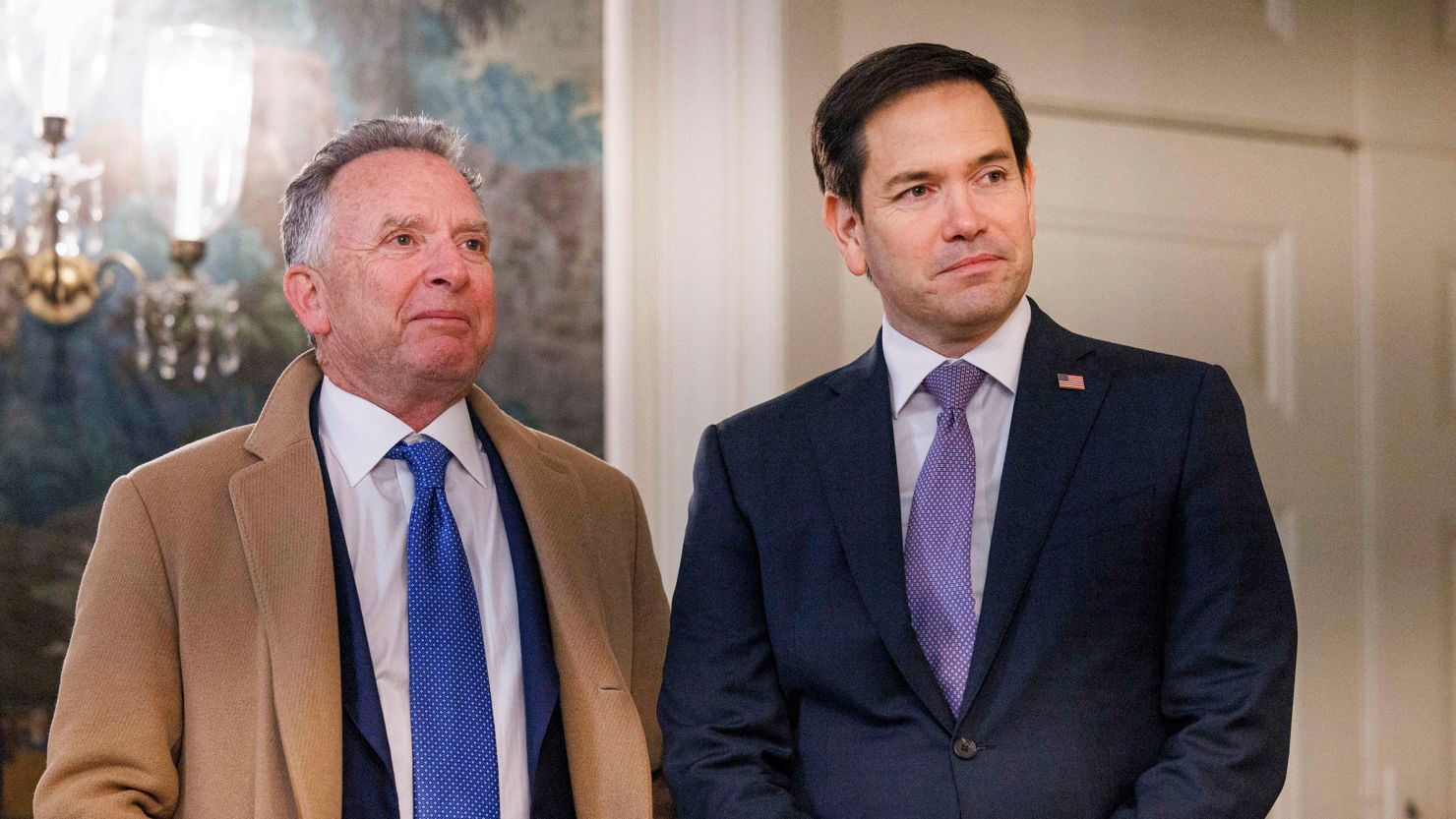
The geopolitical divide grew starker this week when planned ceasefire talks in London collapsed into confusion. High-level U.S. diplomats, including Secretary of State Marco Rubio and special envoy Steve Witkoff, unexpectedly pulled out of the summit with European allies. Official explanations cited logistics, but their absence sent ripples through diplomatic circles. Their sudden withdrawal was not just about missed flights—it was a symbolic step away from multilateral cooperation and toward a narrower, more unilateral vision of peace.
While General Keith Kellogg remained in London to placate allies, Witkoff quietly departed for Moscow. This marked his fourth direct meeting with Russian President Vladimir Putin, a level of engagement that has left European partners unsettled and Ukrainian officials alarmed. Britain’s Foreign Office, blindsided by the abrupt shift, was left scrambling to reframe the agenda. The message was unmistakable: the epicenter of the Ukraine conflict’s diplomatic resolution is no longer London, Berlin, or Brussels—it’s wherever Washington and Moscow choose to meet.
For President Zelensky, this latest pivot feels like a betrayal. Having led his nation through unspeakable suffering and forged a global image of resistance, he now finds his most powerful allies eyeing an exit. The pressure on him is enormous. Yet Zelensky has refused to concede even symbolic ground. “There’s nothing to talk about here. This is against our constitution,” he said firmly when asked about any potential recognition of Crimea as Russian territory.
His dilemma is profound. Accepting such a deal could bring a halt to the war but at the cost of Ukraine’s identity and moral foundation. Rejecting it risks further alienation and potentially a reduced flow of aid and arms. Either choice has perilous consequences. Yet Zelensky has chosen defiance, asserting that Ukraine’s fight is not just for land, but for the right to exist under its own flag, on its own terms.
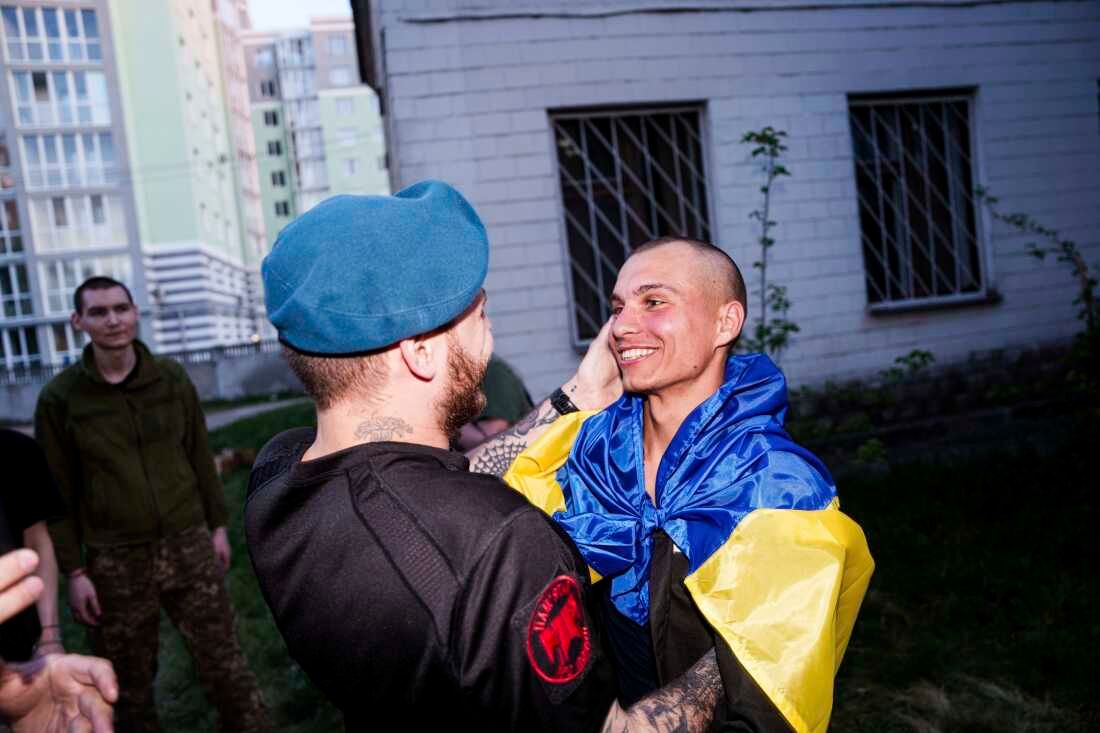
Even as diplomatic channels heat up, the war’s violence has not diminished. On Wednesday, a Russian drone strike on a civilian bus in Marhanets killed nine people and injured dozens more. This followed a brief Easter truce declared by Putin, which Western intelligence later described as a mere tactical pause. In the House of Commons, British Defence Secretary John Healey laid bare the cynicism of Moscow’s maneuvering. “While Putin says he wants peace, he continues to play for time,” Healey said. Indeed, the war has entered a phase where each pause is a recalibration, not a respite.
Reports surfaced this week suggesting Russia might now be willing to abandon claims to territories it does not currently occupy—provided it secures international recognition of what it already holds. But such a proposal flies in the face of post-war norms that reject territorial gains through force. Ukrainian advisers have dismissed these discussions as not only unproductive, but deeply naive. They warn that legitimizing the seizure of Crimea would not end the war, but normalize conquest.
The Ukraine war has always been about more than just Ukraine. It has tested the boundaries of international law, the strength of Western alliances, and the durability of democratic resolve. Now, it is testing the world’s appetite for ambiguity. In this evolving chapter, the battlefield is still littered with casualties, but the real conflict may be happening far from the frontlines—in secret meetings, in strategic retreats, and in the growing space between idealism and pragmatism.
Whether peace emerges from these ashes—or whether this becomes just another frozen conflict with the illusion of calm—will depend on whether the world chooses memory or compromise. In the end, the question may not be what territory is gained or lost, but what truths are left behind.
Read this related article: U.S. Proposes Ukraine Give Up Crimea in London Peace Talks






0 comments