
Your Read is on the Way
Every Story Matters
Every Story Matters
The Hydropower Boom in Africa: A Green Energy Revolution Africa is tapping into its immense hydropower potential, ushering in an era of renewable energy. With monumental projects like Ethiopia’s Grand Ethiopian Renaissance Dam (GERD) and the Inga Dams in the Democratic Republic of Congo, the continent is gearing up to address its energy demands sustainably while driving economic growth.
Northern Kenya is a region rich in resources, cultural diversity, and strategic trade potential, yet it remains underutilized in the national development agenda.

Can AI Help cure HIV AIDS in 2025

Why Ruiru is Almost Dominating Thika in 2025

Mathare Exposed! Discover Mathare-Nairobi through an immersive ground and aerial Tour- HD

Bullet Bras Evolution || Where did Bullet Bras go to?
China has unveiled an ambitious economic pact aimed at deepening trade ties with Africa by removing all tariffs on products from the 53 African countries it maintains diplomatic relations with. This initiative marks a pivotal moment in China-Africa relations and signals a shift toward broader inclusion in global trade for both the continent’s least developed and middle-income economies.
Currently, China extends duty- and quota-free access to least developed countries (LDCs), but this new plan goes a step further by offering the same privileges to more economically advanced African nations. This would allow countries like Kenya, South Africa, Egypt, and Nigeria to export goods into the vast Chinese market without facing tariff barriers.
For years, African nations have raised concerns about trade imbalance and limited access to high-value markets. While LDCs such as Mali and Tanzania have enjoyed some benefits, they often lack the infrastructure and industrial capacity to fully capitalize on the Chinese market. On the other hand, more industrialized countries have faced tariff walls that limit their competitiveness.
This new arrangement seeks to level the playing field, allowing more developed African economies with manufacturing and value-added capabilities to compete equally. China also committed to providing technical assistance, training, and marketing support to help LDCs cope with the competitive pressure that could emerge as the market becomes more accessible to larger African economies.
The proposed tariff elimination offers a significant opportunity for African exporters. It allows African countries to diversify their exports beyond raw materials and primary goods, encouraging growth in manufacturing, agriculture, and technology sectors.
For countries like Morocco and South Africa, which already have developed value-added industries, the benefits are clear. These nations could expand their product reach across Chinese provinces, attracting investment, boosting job creation, and enhancing bilateral trade dynamics.
However, for these benefits to materialize, African states must strengthen their production capacity, streamline regulatory frameworks, and invest in trade logistics and infrastructure. Otherwise, the gap between potential and reality could remain wide.
Despite increasing trade volumes, the imbalance remains striking. China recorded a $62 billion surplus in trade with Africa last year, highlighting a need for corrective measures. The new trade initiative, while promising, must be paired with tangible increases in African exports to avoid widening deficits.
Experts argue that tariff-free access will be most beneficial if African nations can rapidly scale their production, diversify their exports, and secure compliance with Chinese standards. Otherwise, even a duty-free window may remain underutilized.
The move follows Beijing's pledge during the 2024 summit to inject $50 billion (360 billion yuan) into African economies over three years through credit lines and investments. This return to high-level financing signals China’s long-term strategic interest in the continent—not only as a source of resources but as a full-fledged trade partner.
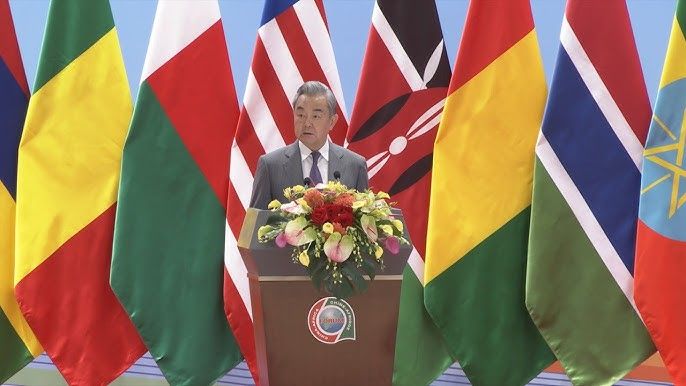
The meeting in Changsha reinforced China's diplomatic tone, with senior officials emphasizing openness to African products and reaffirming commitments to shared prosperity. If executed properly, this initiative could usher in a more balanced and inclusive China-Africa trade era, creating pathways for sustainable development and deeper political cooperation.





0 comments