
Your Read is on the Way
Every Story Matters
Every Story Matters
The Hydropower Boom in Africa: A Green Energy Revolution Africa is tapping into its immense hydropower potential, ushering in an era of renewable energy. With monumental projects like Ethiopia’s Grand Ethiopian Renaissance Dam (GERD) and the Inga Dams in the Democratic Republic of Congo, the continent is gearing up to address its energy demands sustainably while driving economic growth.
Northern Kenya is a region rich in resources, cultural diversity, and strategic trade potential, yet it remains underutilized in the national development agenda.

Can AI Help cure HIV AIDS in 2025

Why Ruiru is Almost Dominating Thika in 2025

Mathare Exposed! Discover Mathare-Nairobi through an immersive ground and aerial Tour- HD

Bullet Bras Evolution || Where did Bullet Bras go to?
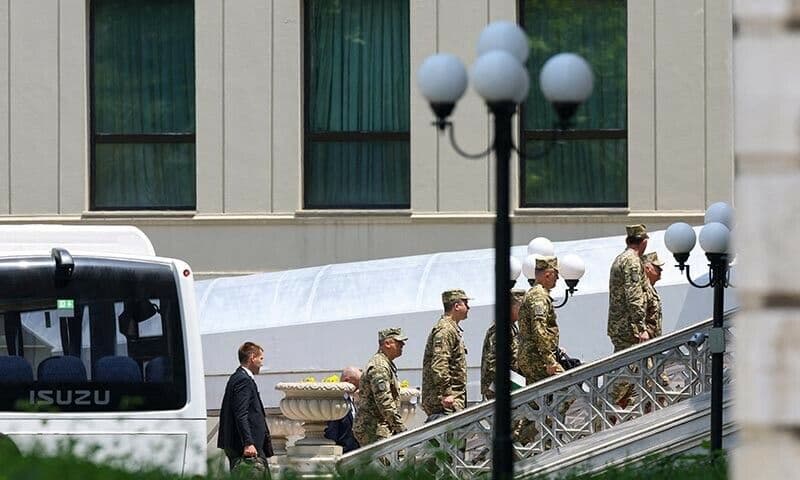
In a move that surprised many observers, Russian and Ukrainian delegations convened in Istanbul to restart direct peace talks, even as their forces continued to exchange some of the most aggressive strikes in recent months. The decision to engage diplomatically followed a night of intensified conflict, with both nations demonstrating their unwillingness to back down militarily.
For months, the war had appeared deadlocked, with both countries digging in across entrenched frontlines. Now, with the resumption of dialogue, the world is watching closely—hoping for signs of compromise, yet bracing for more confrontation.
In the hours leading up to the talks, Ukrainian forces launched a highly coordinated drone assault targeting multiple Russian air installations. The operation, believed to have destroyed several military aircraft and key logistics hubs, was a bold statement. Ukraine wanted to make it clear that while it is open to negotiation, it would not arrive at the table from a position of weakness.
The offensive, which was reportedly planned weeks in advance, served both strategic and symbolic purposes—undermining Russian military assets while framing Ukraine as both a military and diplomatic actor. The strikes placed Russia on the defensive, pushing it to react quickly, both militarily and diplomatically.
Moscow retaliated swiftly and ruthlessly. As dawn broke, Ukrainian cities were under siege from a wave of missile and drone attacks. The Russian military, in what many interpreted as a direct message to both Ukraine and international mediators, launched one of the largest aerial offensives of the year. Power stations, civilian neighborhoods, and transportation infrastructure were hit, leading to widespread blackouts and civilian casualties.
The timing was deliberate—it signaled that Russia, too, intended to enter the talks with a display of force and national resolve. Rather than de-escalating tensions, the early hours of negotiation were marked by a deepening of violence, casting a long shadow over any potential progress.
At the heart of Ukraine’s stance is an insistence on sovereignty and justice. Their negotiators laid out several non-negotiable conditions: an immediate and comprehensive ceasefire, the unconditional return of thousands of Ukrainian children reportedly taken during the war, and a full-scale prisoner exchange.
Additionally, Ukraine is demanding the complete withdrawal of Russian troops from all occupied territories and a firm commitment to respect the nation’s internationally recognized borders. These demands reflect Ukraine's hardened position after years of war and civilian suffering. There was no indication that President Zelensky’s administration is willing to make territorial concessions, even if it would bring temporary peace.
Russia’s representatives entered the discussions with demands focused less on territory and more on geopolitical alignment. Chief among them was a requirement that Ukraine permanently renounce NATO membership and declare a position of armed neutrality. Russia also seeks guarantees that the European Union will not extend certain sanctions and wants international recognition of its annexations.
The Kremlin’s position, shaped by a vision of a buffer state on its western frontier, shows no signs of softening. There was also strong messaging around so-called “security guarantees,” which analysts interpret as thinly veiled attempts to limit Ukraine’s defense capabilities in the long term. In short, Russia’s proposals remain rooted in reshaping the security map of Eastern Europe.
Hosting the talks is Turkey, a regional power attempting to balance its NATO commitments with its strategic relations with both Moscow and Kyiv. Turkish diplomats facilitated the logistics and security of the summit, working behind the scenes to maintain a conducive atmosphere for discussion.
However, Ankara has not tabled any formal proposals or pushed a framework. Instead, its role appears focused on ensuring the talks are not derailed prematurely. Turkey’s position as host may help soften tensions, but without a strong mediating plan, its ability to guide the outcome remains limited. Even so, its involvement is a reminder of how regional actors continue to seek relevance in the geopolitical chessboard of the Ukraine conflict.
While leaders talk, the people of Ukraine and Russia continue to bear the brunt of the conflict. Overnight attacks left homes in ruins, hospitals overwhelmed, and countless families displaced. In Ukraine, entire regions remain without power or clean water, and reports of civilian deaths continue to rise.
In Russia, especially in areas near the Ukrainian border, drone strikes have instilled widespread fear and caused sporadic disruptions. Humanitarian corridors remain fragile or non-existent, and international aid workers face growing challenges in delivering essential supplies. These mounting hardships have added moral weight to the calls for an immediate ceasefire, even if political agreements remain elusive.
Despite the dramatic opening, no immediate breakthrough was announced. Diplomats on both sides admitted the gap between proposals remains wide, and mutual distrust runs deep. Observers suggest that the talks may extend over several weeks, with only small, technical agreements achievable in the short term.
Still, the very act of sitting at the same table after months of silence is being viewed as a modest diplomatic victory. Analysts agree that these talks may only lay the groundwork for more serious negotiations later in the year, especially if the military stalemate continues and external pressure from global allies mounts.
The peace talks in Istanbul represent a rare moment of cautious optimism in a war that has dragged on with devastating consequences. Yet, optimism is tempered by the ongoing brutality seen on both sides and the stark realities of their negotiating positions.
While neither Russia nor Ukraine appears ready to fully compromise, the continuation of dialogue offers a sliver of hope. As both countries wage war and diplomacy simultaneously, the coming weeks will test not only their endurance but also the world’s patience.





0 comments