
Your Read is on the Way
Every Story Matters
Every Story Matters
The Hydropower Boom in Africa: A Green Energy Revolution Africa is tapping into its immense hydropower potential, ushering in an era of renewable energy. With monumental projects like Ethiopia’s Grand Ethiopian Renaissance Dam (GERD) and the Inga Dams in the Democratic Republic of Congo, the continent is gearing up to address its energy demands sustainably while driving economic growth.
Northern Kenya is a region rich in resources, cultural diversity, and strategic trade potential, yet it remains underutilized in the national development agenda.

Can AI Help cure HIV AIDS in 2025

Why Ruiru is Almost Dominating Thika in 2025

Mathare Exposed! Discover Mathare-Nairobi through an immersive ground and aerial Tour- HD

Bullet Bras Evolution || Where did Bullet Bras go to?
It began with a simple slip-up, one that would shake the foundations of U.S. military communications. In an encrypted Signal chat group reserved for high-ranking officials, someone made a fateful error: they accidentally included a journalist in their conversation. What followed was a cascade of revelations exposing internal debates, operational secrets, and a surprising level of casualness in handling sensitive intelligence. This mistake, while seemingly small, had a profound impact on how the public and the world view the security practices of one of the most powerful militaries on the planet. It also highlighted the fine line between advanced technology meant to safeguard information and the human errors that can so easily undermine it.
Despite the sophisticated cybersecurity infrastructure meant to shield classified information, this incident revealed a glaring vulnerability: human error. U.S. military leaders were using an unapproved communication platform to discuss high-level strategies. The inclusion of an outsider not only breached operational security but also raised urgent questions about how securely the nation's most sensitive discussions are conducted. This breach reflects a larger issue within modern security frameworks where technological safeguards are only as strong as the individuals using them. No amount of encryption or advanced systems can prevent mistakes rooted in human oversight, and this event underscores the necessity for constant vigilance in safeguarding classified materials.
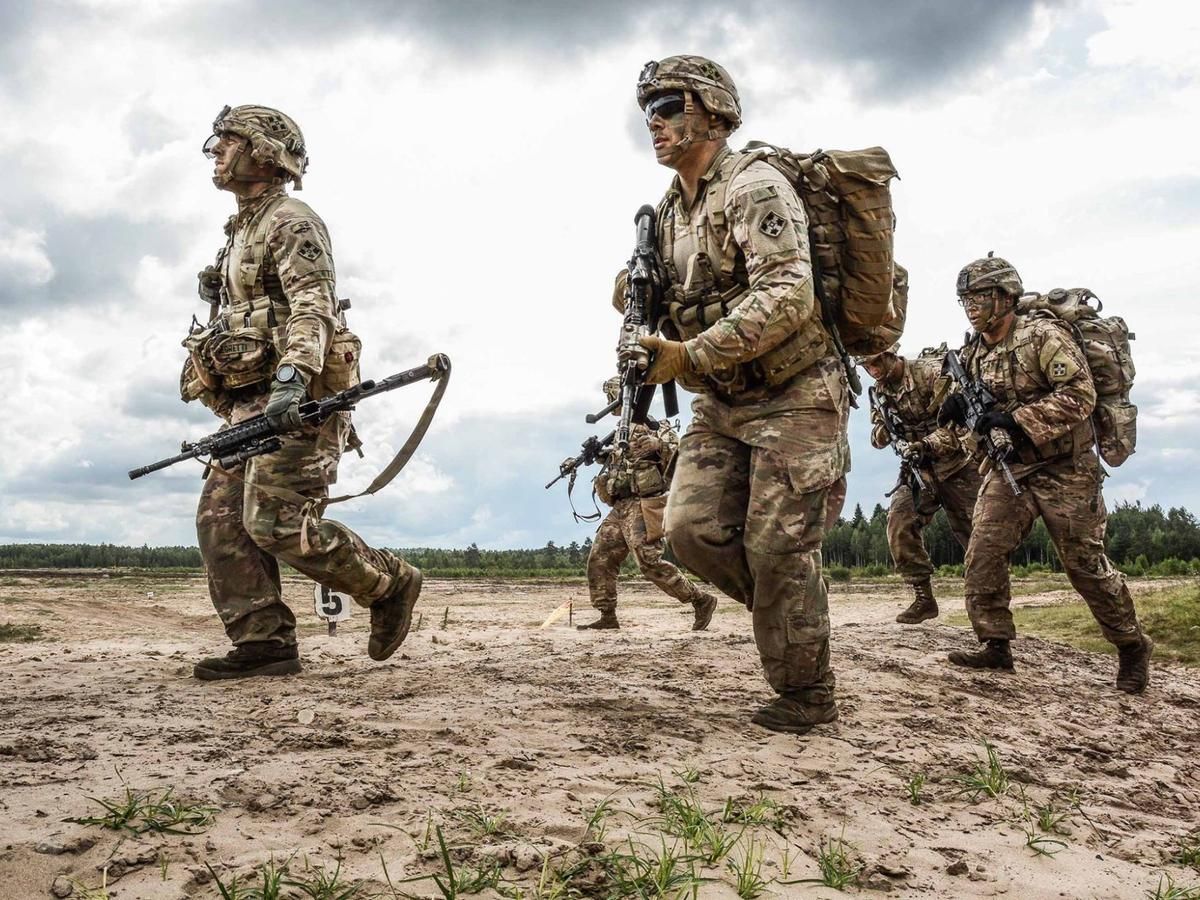
Beyond the security lapse, the leaked chats painted a picture of internal discord. Disagreements over military tactics, operational timing, and the broader implications of their actions surfaced. Some officials expressed caution, while others pushed for a more aggressive stance. This internal debate, meant to stay behind closed doors, has now spilled into the public domain, revealing a military apparatus divided on key policy decisions. These internal disagreements are not uncommon in large, complex organizations, but their exposure could undermine confidence in the leadership's ability to present a unified front. Furthermore, it raises concerns about how differing opinions on strategy and execution may affect future military operations and diplomatic efforts.
One of the most surprising aspects of the leak was the casual tone used by officials while discussing serious matters. Emojis and informal language peppered conversations about strategies that could affect global stability. This light-hearted approach to life-and-death decisions raises concerns about the gravity with which these officials treat their responsibilities. The use of informal communication styles in high-stakes environments is not inherently problematic, but when it comes to national security, a more measured and professional tone is often expected. This revelation could lead to calls for stricter guidelines on how sensitive information is discussed, even within ostensibly secure channels.
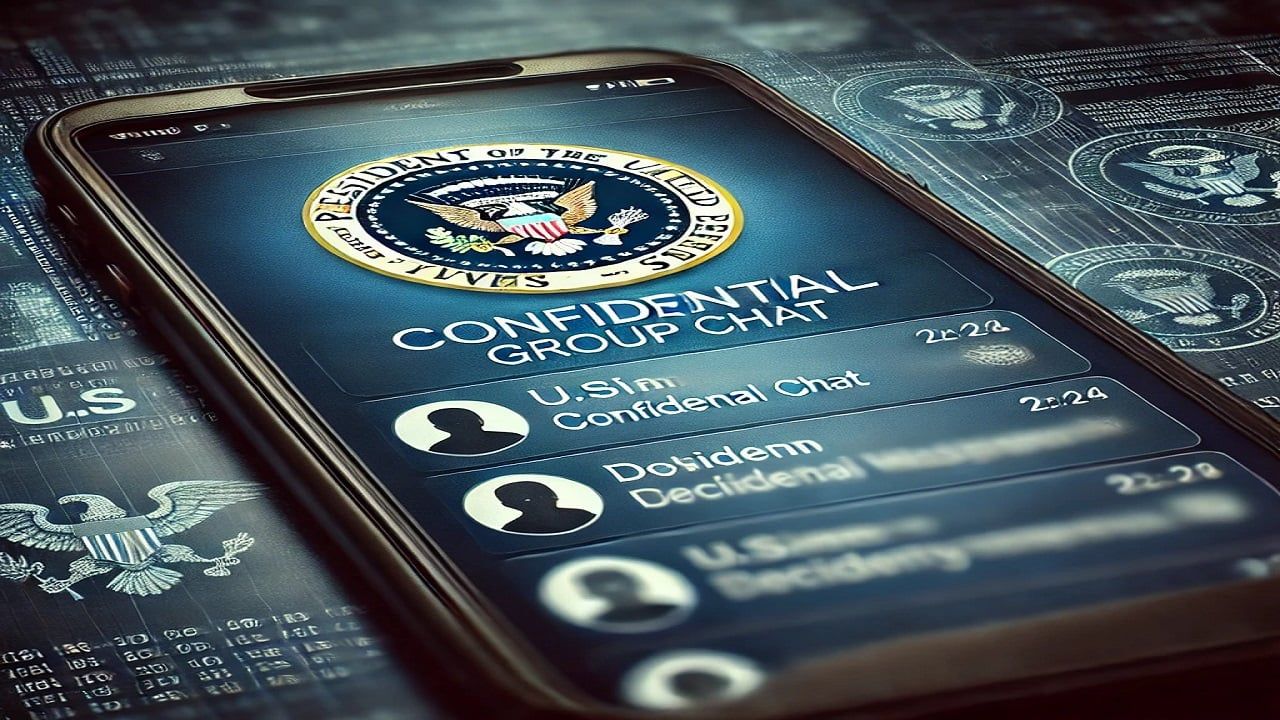
The fallout extended beyond national borders. Some leaked comments included blunt assessments of U.S. allies, particularly in Europe. These unfiltered opinions risk straining relationships already under pressure from ongoing geopolitical tensions. Diplomats warn that such disclosures could damage trust and cooperation between the U.S. and its partners. International alliances are built on trust, and when private conversations reveal skepticism or contempt for allies, it can complicate cooperative efforts. This breach has the potential to widen rifts in diplomatic ties and further inflame tensions at a time when global stability remains fragile. The long-term consequences may manifest in reduced intelligence sharing or hesitation from allies to fully engage with U.S.-led initiatives.
In the wake of this unprecedented breach, questions loom large: How could such a mistake happen? Why were unapproved platforms used? And what reforms will follow to prevent future lapses? This incident serves as a sobering reminder that even in an age of advanced cybersecurity, the weakest link remains human fallibility. Beyond the immediate embarrassment and potential diplomatic fallout, the breach underscores the need for continuous reassessment of security protocols.
As digital communication becomes more integral to modern governance and military operations, ensuring secure and properly regulated channels is paramount. It also raises the question of accountability and whether those responsible for the breach will face repercussions to deter similar lapses in the future.






0 comments