
Your Read is on the Way
Every Story Matters
Every Story Matters
The Hydropower Boom in Africa: A Green Energy Revolution Africa is tapping into its immense hydropower potential, ushering in an era of renewable energy. With monumental projects like Ethiopia’s Grand Ethiopian Renaissance Dam (GERD) and the Inga Dams in the Democratic Republic of Congo, the continent is gearing up to address its energy demands sustainably while driving economic growth.
Northern Kenya is a region rich in resources, cultural diversity, and strategic trade potential, yet it remains underutilized in the national development agenda.

Can AI Help cure HIV AIDS in 2025

Why Ruiru is Almost Dominating Thika in 2025

Mathare Exposed! Discover Mathare-Nairobi through an immersive ground and aerial Tour- HD

Bullet Bras Evolution || Where did Bullet Bras go to?
President Donald Trump has signed a renewed executive proclamation imposing strict travel restrictions on nationals from 19 countries, including Afghanistan, Iran, Haiti, and several African and Asian nations. The move, framed by the administration as a critical national security step, has sparked both domestic debate and international scrutiny. While the policy aims to tighten immigration controls and improve public safety, critics warn it could deepen global tensions and perpetuate discrimination.
The core reasoning behind the travel ban lies in perceived threats to national security. According to the administration, individuals from the listed countries pose a heightened risk due to ongoing regional instability, terrorism affiliations, or historical patterns of noncompliance with U.S. immigration procedures. The ban is presented as a preemptive strategy to safeguard American citizens and institutions.
One of the key arguments made by the administration is that several of the targeted countries lack reliable and transparent identity verification systems. Without robust databases or cooperative information-sharing mechanisms, it becomes challenging for U.S. authorities to vet visa applicants thoroughly. The White House maintains that this gap increases the likelihood of security breaches and unlawful entry.
Another cited reason for the ban involves overstaying visas, a persistent issue that undermines U.S. immigration laws. Several countries on the list reportedly have high rates of nationals who remain in the United States beyond their visa expiration dates. This pattern, the administration argues, presents a legal and logistical challenge that the travel ban aims to address.
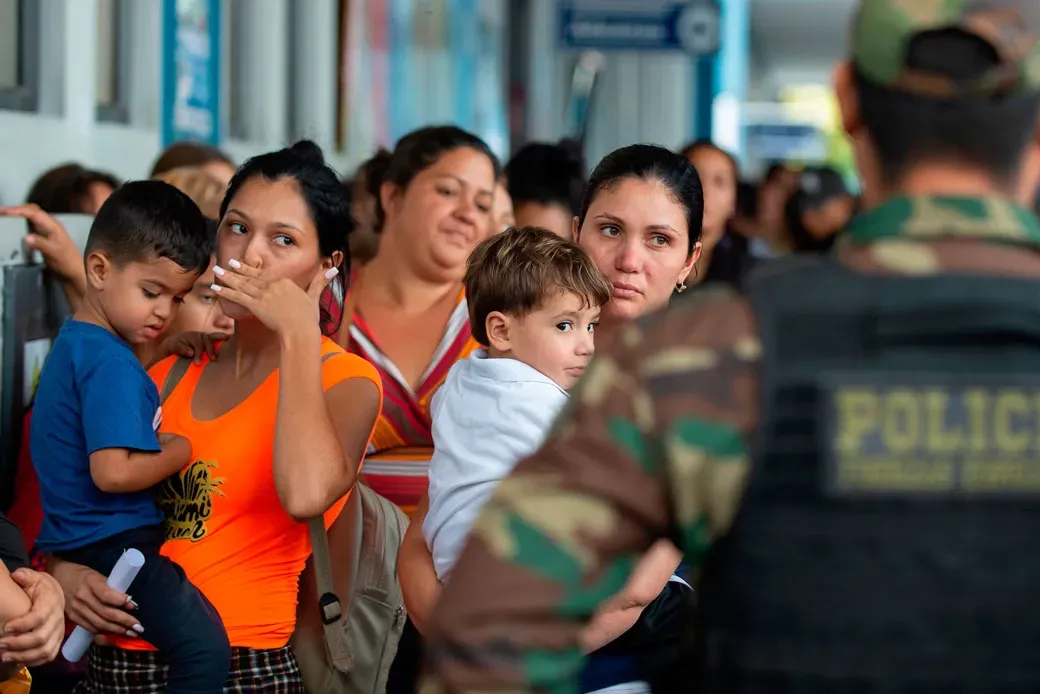
Enforcement of immigration policy relies heavily on the cooperation of foreign governments, particularly in accepting their citizens who are deported from the United States. The administration notes that a number of countries included in the ban have been uncooperative or outright resistant in taking back deported individuals, complicating the legal and administrative processes for U.S. immigration officials.
Recent events, including a high-profile case involving a foreign national accused of a violent act while unlawfully present in the United States, have intensified calls for stricter controls. The administration has used such incidents as validation for the travel ban, arguing that reactive measures are insufficient and proactive restrictions are necessary to prevent future threats.
The travel restrictions vary in intensity. Some countries face a full suspension of immigrant and non-immigrant visas, while others are subject to selective constraints. In some cases, only permanent immigration is restricted, allowing temporary visa applications under specific conditions. Countries with full bans include Afghanistan, Iran, Libya, and Somalia. Others, like Cuba and Venezuela, face partial restrictions targeting specific visa categories or government-linked individuals.
The reintroduction of such a sweeping travel ban under Trump’s presidency reflects a broader return to hardline immigration policy. While the administration claims the measure is non-discriminatory and focused solely on security, international critics and civil rights groups argue that the ban disproportionately affects Muslim-majority and African nations. As appeals and legislative pushback unfold, the long-term impact of this policy on international relations and domestic immigration law remains to be seen




0 comments