
Your Read is on the Way
Every Story Matters
Every Story Matters
The Hydropower Boom in Africa: A Green Energy Revolution Africa is tapping into its immense hydropower potential, ushering in an era of renewable energy. With monumental projects like Ethiopia’s Grand Ethiopian Renaissance Dam (GERD) and the Inga Dams in the Democratic Republic of Congo, the continent is gearing up to address its energy demands sustainably while driving economic growth.
Northern Kenya is a region rich in resources, cultural diversity, and strategic trade potential, yet it remains underutilized in the national development agenda.

Can AI Help cure HIV AIDS in 2025

Why Ruiru is Almost Dominating Thika in 2025

Mathare Exposed! Discover Mathare-Nairobi through an immersive ground and aerial Tour- HD

Bullet Bras Evolution || Where did Bullet Bras go to?
In a move that has escalated tensions and drawn both condemnation and cautious support, Israeli Prime Minister Benjamin Netanyahu declared that Israel will exert full military control over the entire Gaza Strip. This marks a significant escalation in Israel’s long-standing campaign against Hamas and is being framed domestically as an effort to “completely dismantle terrorist capabilities” within the territory.
The announcement follows the Israeli military's intensified ground operations, particularly in the southern city of Rafah, which was previously considered a relative safe zone for displaced Palestinians. With tanks rolling through central neighborhoods and aerial bombardments targeting alleged Hamas positions, the humanitarian crisis has entered an even more catastrophic phase.
Despite mounting pressure from international bodies, including the United Nations and several Western allies, Netanyahu has stated that only “minimal” humanitarian aid will be allowed into Gaza. This decision, he argues, is meant to prevent aid from being diverted to Hamas and to ensure that supplies do not inadvertently bolster the militant group.
Israel has approved a limited humanitarian corridor in coordination with Egypt and the United States, allowing for the entry of essential food and medical supplies. However, this narrow channel is nowhere near enough to meet the desperate needs of Gaza’s 2.3 million residents, most of whom are displaced, injured, or facing starvation.
Critics say the tightly controlled trickle of aid violates international humanitarian law. Several NGOs have pulled staff from northern Gaza citing safety concerns and the impossibility of distributing aid under Israeli military oversight.
The toll on civilians is harrowing. According to local health authorities, more than 53,000 Palestinians have been killed since the war began in October 2023, with thousands more wounded and millions displaced. Entire neighborhoods in Khan Younis, Gaza City, and now Rafah lie in ruins, and the healthcare infrastructure has all but collapsed.
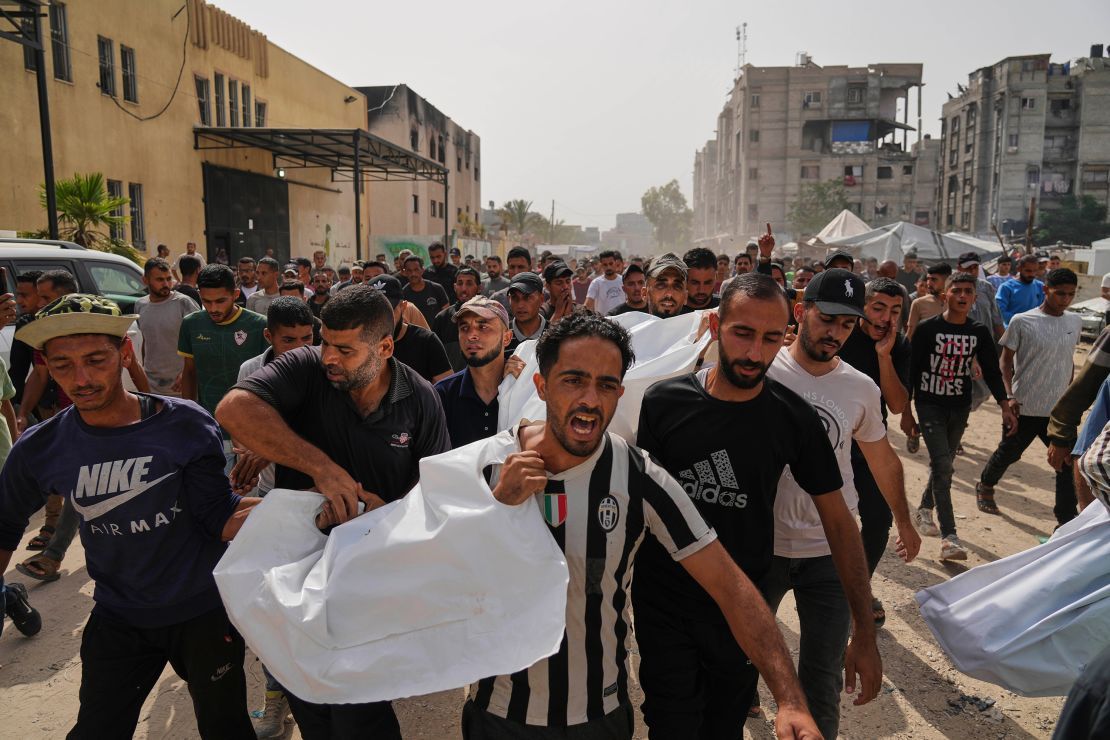
Hospitals are functioning without anesthesia, food distributions are sporadic and violent, and the spread of disease is unchecked. The specter of famine looms large, with children particularly at risk. Yet, Netanyahu insists that Israel will not back down until Hamas is eliminated.
For the families of hostages still held by Hamas, this position has become increasingly painful. Many Israeli citizens now argue that military operations are being prioritized over securing the safe return of their loved ones.
Netanyahu’s hardline strategy has created deep rifts among Israel’s international allies. While the U.S. remains a staunch backer of Israel’s right to self-defense, recent public statements from American and European officials suggest growing discomfort. The Biden administration has reportedly demanded more access for humanitarian aid and better protection for civilians.
The United Nations has gone further, condemning Israel’s actions as collective punishment. Human rights organizations accuse Israel of weaponizing humanitarian aid, effectively using starvation as a tool of war. Netanyahu, however, is unmoved by these critiques, often portraying them as hypocritical or naive.
Arab states, including Egypt and Jordan, have issued stronger warnings, concerned that the spillover from this conflict could ignite broader regional instability. Talks of resuming a ceasefire or initiating another hostage deal have stalled, as Israel's government pushes forward with what it calls the "final phase" of the war.

Within Israel, voices of dissent are getting louder. Protests have resumed in Tel Aviv and Jerusalem, not just against the war but against Netanyahu’s broader governance and refusal to negotiate. The families of hostages are demanding an immediate ceasefire and the return of their loved ones, fearing that the military’s push into Rafah will only worsen the odds of survival.
Meanwhile, Netanyahu’s far-right coalition partners are urging even harsher measures, including re-establishing permanent Israeli settlements in parts of Gaza—a proposition that, if pursued, would end any lingering hope of a two-state solution.
The Israeli leader appears unshaken, viewing criticism as a distraction from what he calls “an existential fight.” But with a humanitarian crisis deepening by the hour and global patience wearing thin, Netanyahu’s Gaza strategy is not just reshaping the battlefield—it’s reshaping the region’s political future.
As of now, there are no signs of de-escalation. Netanyahu is gambling that overwhelming force and territorial control will bring Hamas to its knees. But even if the group is militarily weakened, the political and humanitarian fallout could last generations.
Observers worry that if aid continues to be rationed at this pace and civilian suffering intensifies, Gaza may become not just a site of devastation, but a permanent scar on Israel’s global reputation. And with no clear endgame or diplomatic pathway in sight, the question remains: how much more can Gaza—and the world—endure?






0 comments