
Your Read is on the Way
Every Story Matters
Every Story Matters
The Hydropower Boom in Africa: A Green Energy Revolution Africa is tapping into its immense hydropower potential, ushering in an era of renewable energy. With monumental projects like Ethiopia’s Grand Ethiopian Renaissance Dam (GERD) and the Inga Dams in the Democratic Republic of Congo, the continent is gearing up to address its energy demands sustainably while driving economic growth.
Northern Kenya is a region rich in resources, cultural diversity, and strategic trade potential, yet it remains underutilized in the national development agenda.

Can AI Help cure HIV AIDS in 2025

Why Ruiru is Almost Dominating Thika in 2025

Mathare Exposed! Discover Mathare-Nairobi through an immersive ground and aerial Tour- HD

Bullet Bras Evolution || Where did Bullet Bras go to?
In a world teetering on the edge of a broader conflict, the United Kingdom is hosting a secretive meeting of military elites this Thursday, bringing together senior commanders from an exclusive group of nations dubbed the "coalition of the willing." Their task? To finalize plans for a proposed Western-led peacekeeping force in Ukraine—an idea that is both ambitious and incendiary.
The UK, alongside France, is spearheading this initiative, with over 20 nations rumored to be involved. The meeting, held at the Permanent Joint Headquarters in Northwood, will determine how such a force could operate in practice. But before it even begins, the proposal is already riddled with obstacles—most notably, an unwavering warning from Moscow.
Russian President Vladimir Putin has made it abundantly clear: any NATO military presence in Ukraine—no matter its role—will be viewed as an intolerable provocation. The consequences of ignoring this warning remain unspoken but loom ominously over the discussions in Northwood.
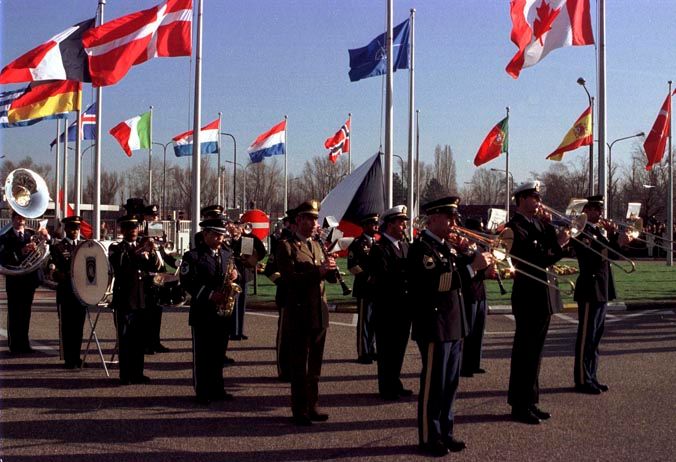
While the coalition’s planners hope for a robust peacekeeping mission, the reality is fraught with danger. For Moscow, even an unarmed Western presence could be perceived as a direct challenge, an implicit claim on Ukrainian sovereignty that might escalate tensions rather than ease them.
If Moscow’s hostility weren’t enough, internal divisions within the West complicate matters further. While the UK and France push forward, Washington remains hesitant. The United States, crucial for providing the air support that some European allies insist is necessary, has not committed to the operation. Without that backing, the force may be left vulnerable to aggression from hostile forces, whether from Russia directly or from Kremlin-backed paramilitary groups operating in the region.
Pentagon insiders have expressed deep concerns that direct Western involvement could blur the line between peacekeeping and military intervention. The absence of US air cover leaves European leaders with a difficult question: can they afford to proceed alone?

While these discussions unfold behind closed doors, UK Prime Minister Sir Keir Starmer is balancing diplomatic pressure with commitments to his own nation's defense. Before joining the high-level talks, Starmer will visit Barrow-in-Furness, a historic naval town pivotal to the UK’s nuclear deterrent program.
His presence in Barrow is not just symbolic. The Prime Minister will oversee the ceremonial keel-laying of HMS Dreadnought, one of Britain’s next-generation nuclear-armed submarines. The moment marks a reaffirmation of the UK’s commitment to its nuclear capabilities, a stance meant to reassure both allies and adversaries alike.
In a speech to local defense industry workers, Starmer will highlight how investments in the UK’s military infrastructure directly benefit communities like Barrow. As a further show of recognition, he is set to announce that King Charles III has granted the town the prestigious "Royal" title, in honor of its longstanding contributions to national security.

After his visit to Barrow, Starmer will make his way to the Northwood meeting, where discussions will already be in full swing. If he hopes to unify the coalition, he must navigate an increasingly delicate diplomatic tightrope—one that requires balancing the ambitions of European allies, the caution of Washington, and the looming specter of Russian retaliation.
His Defense Secretary, John Healey, has doubled down on the UK's "unshakeable" commitment to nuclear deterrence, calling it "the ultimate guarantor of our national security and the security of our NATO allies." But does nuclear posturing help, or does it further provoke the very tensions the peacekeeping force is meant to ease?
As the world watches, one question remains unanswered: Is the coalition of the willing truly ready for what comes next? Or is this a gamble that could backfire in ways no one is prepared for?






0 comments