
Your Read is on the Way
Every Story Matters
Every Story Matters
The Hydropower Boom in Africa: A Green Energy Revolution Africa is tapping into its immense hydropower potential, ushering in an era of renewable energy. With monumental projects like Ethiopia’s Grand Ethiopian Renaissance Dam (GERD) and the Inga Dams in the Democratic Republic of Congo, the continent is gearing up to address its energy demands sustainably while driving economic growth.
Northern Kenya is a region rich in resources, cultural diversity, and strategic trade potential, yet it remains underutilized in the national development agenda.

Can AI Help cure HIV AIDS in 2025

Why Ruiru is Almost Dominating Thika in 2025

Mathare Exposed! Discover Mathare-Nairobi through an immersive ground and aerial Tour- HD

Bullet Bras Evolution || Where did Bullet Bras go to?
Secret Oil Reserves Uncovered in Rivers State
Nigeria is facing a growing political crisis following the unexpected discovery of a vast, untapped oil deposit beneath a small fishing village in Rivers State. This revelation has triggered an intense struggle for control between the federal government and local authorities, as both sides seek to assert dominance over the valuable resource.
The controversy began when a team of geologists from an international energy consortium, conducting routine surveys, accidentally uncovered the massive crude reserves beneath the remote village of Umuokiri. At first, the discovery was kept confidential, with only a handful of government officials being informed. However, suspicions grew among the local population when they noticed a sudden increase in land surveying activities, the presence of security personnel, and the arrival of foreign experts in the area. News of the discovery eventually leaked, sparking widespread interest and concern among both political leaders and the general public.
In a swift and controversial move, President Bola Tinubu declared the newly discovered oil-rich region a “national strategic zone,” effectively placing it under the direct control of the federal government. According to Tinubu, this decision was made in the interest of national security and economic stability. He argued that allowing state authorities or private entities to manage such a significant resource without oversight could lead to exploitation, mismanagement, and potential conflicts over ownership.
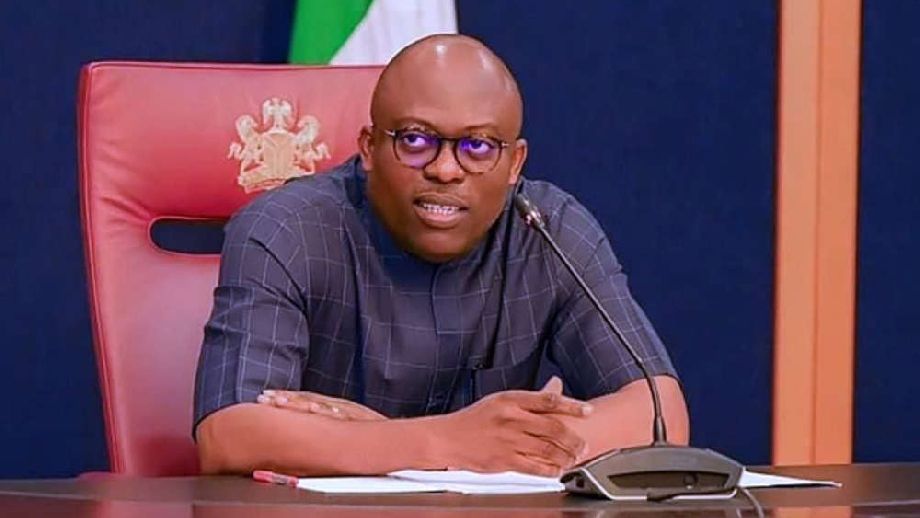
However, this announcement was met with immediate resistance from the Rivers State government. Governor Siminalayi Fubara, who was not consulted before the decision, strongly opposed the move, calling it a blatant attempt to strip the state of its natural wealth. He criticized the federal government’s unilateral decision, arguing that the people of Rivers State have a constitutional right to manage their own resources and benefit from the economic opportunities they create.
Governor Fubara’s opposition to the federal decree has ignited a wave of protests across Rivers State, particularly in the capital, Port Harcourt. Thousands of demonstrators have taken to the streets, carrying placards and chanting slogans against what they perceive as an unjust federal takeover. Many residents feel betrayed by the central government, believing that the wealth generated from their land should directly benefit their communities rather than be funneled into federal accounts.
In a passionate public address, Fubara vowed to challenge the federal government’s decision through all legal and political means. “The people of Rivers State will not stand by and watch their future being auctioned off behind closed doors,” he declared. His defiant stance has emboldened both his supporters and local militant groups, some of whom have threatened to take action if the federal government does not reverse its decision. Given the region’s history of oil-related conflicts, many fear that tensions could escalate into violent confrontations if a resolution is not reached soon.

The legality of Tinubu’s declaration is now under intense scrutiny, with legal experts and opposition politicians questioning whether it violates Nigeria’s constitutional provisions on resource management and state autonomy. The Nigerian Bar Association (NBA) has expressed concerns over the president’s authority to unilaterally seize control of state resources without due process. Some legal analysts argue that such a move should require legislative approval and consultations with state governments, neither of which appear to have taken place in this case.
The opposition People’s Democratic Party (PDP) has condemned the federal takeover, calling it “a dangerous overreach and a blatant abuse of power.” The party has accused the ruling All Progressives Congress (APC) of using Nigeria’s vast oil wealth as a tool for political domination, warning that such actions could set a dangerous precedent for other oil-producing states. Meanwhile, former presidential candidate Peter Obi has described the move as “reckless and authoritarian,” urging the federal government to engage in dialogue rather than forcefully impose its will.
International observers are closely monitoring the situation, with some warning that Nigeria’s oil sector, already plagued by instability, could suffer further disruptions if tensions are not de-escalated. Economic analysts note that a prolonged dispute over the newfound reserves could deter foreign investors and worsen existing economic challenges, including inflation and unemployment.

With both the federal and state governments refusing to back down, Nigeria now stands at a critical juncture. If Tinubu remains firm in his decision, Rivers State may resort to legal action or even civil disobedience to assert its rights over the oil deposit. On the other hand, if the president agrees to negotiate, a power-sharing agreement or a revised revenue allocation model could be proposed as a compromise.
For now, uncertainty looms over the region, with fears that the situation could spiral into a full-blown crisis if a peaceful resolution is not reached soon. Will Tinubu reconsider his stance and open the door for dialogue, or will Rivers State take drastic measures to protect its newfound wealth? The coming days will determine the fate of one of Nigeria’s most resource-rich states and could reshape the country’s political and economic landscape for years to come.






0 comments