
Your Read is on the Way
Every Story Matters
Every Story Matters
The Hydropower Boom in Africa: A Green Energy Revolution Africa is tapping into its immense hydropower potential, ushering in an era of renewable energy. With monumental projects like Ethiopia’s Grand Ethiopian Renaissance Dam (GERD) and the Inga Dams in the Democratic Republic of Congo, the continent is gearing up to address its energy demands sustainably while driving economic growth.
Northern Kenya is a region rich in resources, cultural diversity, and strategic trade potential, yet it remains underutilized in the national development agenda.

Can AI Help cure HIV AIDS in 2025

Why Ruiru is Almost Dominating Thika in 2025

Mathare Exposed! Discover Mathare-Nairobi through an immersive ground and aerial Tour- HD

Bullet Bras Evolution || Where did Bullet Bras go to?
Elon Musk’s exit from his advisory position in the White House was not merely a personal decision, but a convergence of incompatible visions. His tenure was characterized by bold initiatives aimed at cutting bureaucratic inefficiencies, streamlining operations, and leveraging private-sector innovation. However, those ideals often ran afoul of the White House’s entrenched political machinery and spending habits.
Musk, known for his unflinching push toward lean operations and radical transparency, found himself at odds with expansive federal budgets and politically motivated projects. What began as a collaboration grounded in mutual admiration slowly shifted into an ideological standoff. The foundational disagreements on economic policy, especially surrounding federal spending and deficit tolerance, made it increasingly difficult for Musk to maintain influence without compromising his core values.
Beyond policy, interpersonal dynamics played a significant role. Musk’s direct communication style, often celebrated in the corporate world, grated against the delicate hierarchies and diplomatic protocols of government institutions. According to those familiar with the matter, clashes with key White House staff became more frequent and more difficult to navigate.
There were growing reports of frustration on both sides—staffers uneasy with Musk’s non-traditional approach, and Musk increasingly disillusioned with bureaucratic inertia. Trust began to erode, and without unified strategic alignment, his continued presence in the administration became untenable.
Balancing government responsibilities while running companies like Tesla, SpaceX, and Neuralink was a monumental challenge. While Musk initially saw his advisory role as a patriotic duty—an opportunity to inject innovation into the public sector—it soon became clear that the time and focus it demanded were diverting attention from his core ventures.
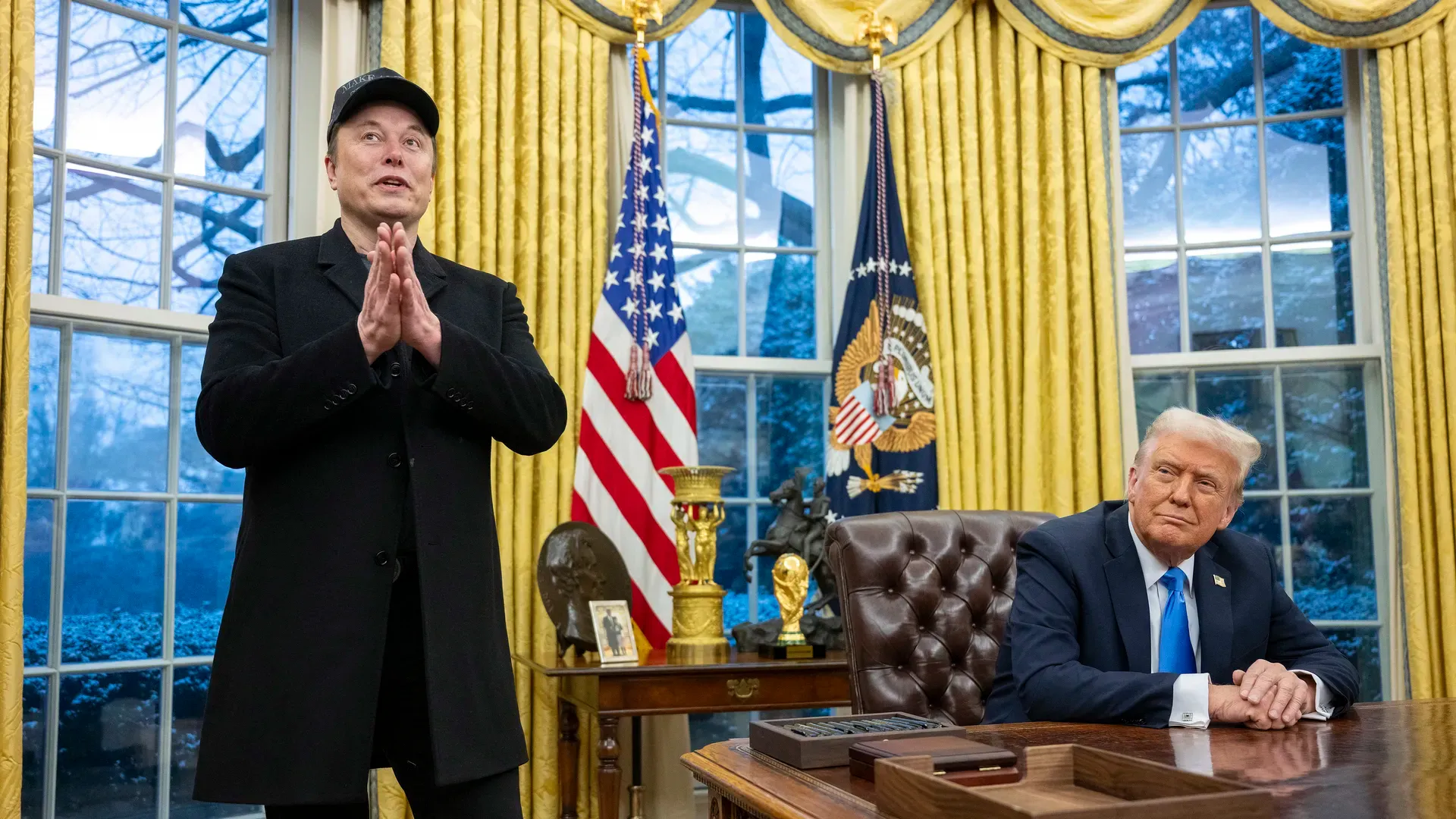
Executives from his companies reportedly raised concerns about his divided commitments. Investors, too, grew wary of the potential long-term implications of Musk’s political entanglements. Faced with the reality that something had to give, Musk prioritized the ventures he directly built over the advisory role that constrained him.
Musk's time in Washington was also marked by intense public scrutiny. High-profile controversies and speculative narratives dogged his every move. From unfounded personal attacks to sensationalist headlines, the media circus surrounding his White House involvement became a constant distraction.
Even as Musk publicly brushed off the noise, those close to him noted the cumulative toll. The stress of managing public perception—especially in a politically charged environment—began to detract from the original intent of his role. In the end, the public eye proved to be not just a spotlight, but a burden.
Musk’s departure should not be mistaken for surrender. Rather, it reflects a strategic decision to retreat from a battlefield where innovation is hampered by politics. His brief foray into governance highlighted the stark contrast between Silicon Valley’s speed and D.C.’s procedural drag.
What remains is a question for the future: can the entrepreneurial spirit truly influence governmental reform, or will it always be diluted by bureaucracy and partisanship? Musk’s exit might be the clearest answer yet.
Elon Musk's White House exit was inevitable, not impulsive. It was the result of a slow unraveling of compatibility between the fast-moving world of private innovation and the glacial pace of public policy. While the public may never know every detail behind closed doors, the factors that led to his departure offer a sobering look into why true change in government remains an elusive dream.






0 comments