
Your Read is on the Way
Every Story Matters
Every Story Matters
The Hydropower Boom in Africa: A Green Energy Revolution Africa is tapping into its immense hydropower potential, ushering in an era of renewable energy. With monumental projects like Ethiopia’s Grand Ethiopian Renaissance Dam (GERD) and the Inga Dams in the Democratic Republic of Congo, the continent is gearing up to address its energy demands sustainably while driving economic growth.
Northern Kenya is a region rich in resources, cultural diversity, and strategic trade potential, yet it remains underutilized in the national development agenda.

Can AI Help cure HIV AIDS in 2025

Why Ruiru is Almost Dominating Thika in 2025

Mathare Exposed! Discover Mathare-Nairobi through an immersive ground and aerial Tour- HD

Bullet Bras Evolution || Where did Bullet Bras go to?
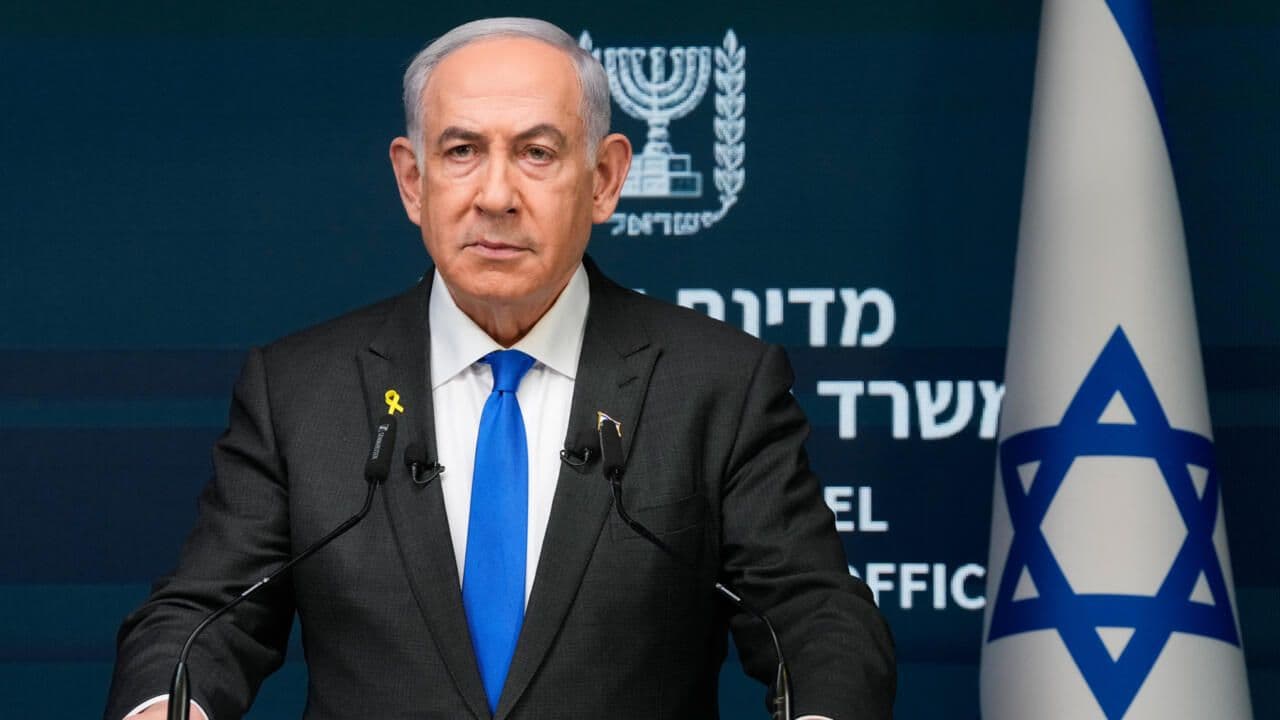
The moment Israeli missiles began striking deep into Iranian territory, Prime Minister Benjamin Netanyahu’s domestic fortunes began shifting. Once embattled and bruised by weeks of protests, political gridlock, and a scandal-ridden courtroom battle, Netanyahu now stands center stage as the wartime leader—commanding, urgent, and seemingly indispensable.
What the battlefield gave him wasn’t just tactical success—it was a narrative shift.
Weeks before the escalation, Israel was polarized. Netanyahu’s controversial judicial overhaul had ignited mass protests and alienated large segments of the public, including reservists and elite military officers. But war changes the tone of a nation.
With rockets in the air and Iran named as the enemy, the calls for domestic restraint are drowned out by calls for national unity. Opposition figures tread carefully, unwilling to appear unpatriotic during wartime. Protest movements have thinned, not out of agreement, but necessity.
Netanyahu has turned the fear of an existential threat into a tool of cohesion, muting critics with patriotism.
Netanyahu has long styled himself as Israel’s ultimate security hawk. The current conflict allows him to reassert that image with clarity and drama. By orchestrating strikes against Iranian targets and aligning closely with U.S. military moves, he appears not just relevant, but essential.
Inside Likud and among right-leaning voters, this image is political gold. Talk of court proceedings is being replaced by war briefings. Suddenly, the leader once seen as vulnerable is again being portrayed as irreplaceable.
Even if the military objectives remain uncertain, the political objectives are unmistakable. A national emergency has allowed Netanyahu to consolidate power, reshuffle loyalties, and position himself above partisan fray.
With elections possible in the coming year, and judicial reforms stalled in controversy, Netanyahu now has an opportunity to reset the agenda. If the war is prolonged or expands, he may campaign not as a politician, but as a wartime prime minister—suspending democratic norms in the name of survival.
Of course, this is a dangerous game. If Israeli casualties mount or the conflict spirals out of control, Netanyahu will be blamed for escalation. But in the short term, he's already gained: a divided opposition, a frightened public, and a redirected media cycle.
The Iran conflict, for Netanyahu, is not just a military matter—it's a political lifeline.
Closing Thought:
Whether Israel wins this conflict militarily remains to be seen. But politically, Netanyahu has already secured a victory—by transforming crisis into opportunity and survival into power.




0 comments