
Your Read is on the Way
Every Story Matters
Every Story Matters
The Hydropower Boom in Africa: A Green Energy Revolution Africa is tapping into its immense hydropower potential, ushering in an era of renewable energy. With monumental projects like Ethiopia’s Grand Ethiopian Renaissance Dam (GERD) and the Inga Dams in the Democratic Republic of Congo, the continent is gearing up to address its energy demands sustainably while driving economic growth.
Northern Kenya is a region rich in resources, cultural diversity, and strategic trade potential, yet it remains underutilized in the national development agenda.
Can AI Help cure HIV AIDS in 2025
Why Ruiru is Almost Dominating Thika in 2025

Mathare Exposed! Discover Mathare-Nairobi through an immersive ground and aerial Tour- HD

Bullet Bras Evolution || Where did Bullet Bras go to?
During his presidential campaign, Prabowo Subianto promised an ambitious program to address Indonesia's childhood malnutrition crisis. With a striking vision, the free school meal program was touted as the key solution to reduce stunting—a condition affecting one in five children under five. Described as the heart of his populist policies, Prabowo envisioned a healthier, stronger future for Indonesian children. However, as the program rolled out, the initiative has encountered unforeseen hurdles that raise questions about its effectiveness.
Launched in early 2024, the first phase of the program aimed to provide free meals to half a million students across 26 provinces. While this seemed like a monumental achievement, critics quickly pointed out the lack of proper planning and quality control. Schoolchildren reported unappetizing meals, with some even falling ill due to suspected food poisoning. This sparked growing concerns among parents and educators, prompting many to reconsider the program’s viability.
The concept, while noble in intent, appears to have been rushed. With insufficient preparation in place, the meal quality suffered, leading to a loss of public trust in the program's promise. As health concerns mounted, some schools were forced to discontinue the program or opt for homemade alternatives, showcasing the limits of government intervention when lacking proper execution.
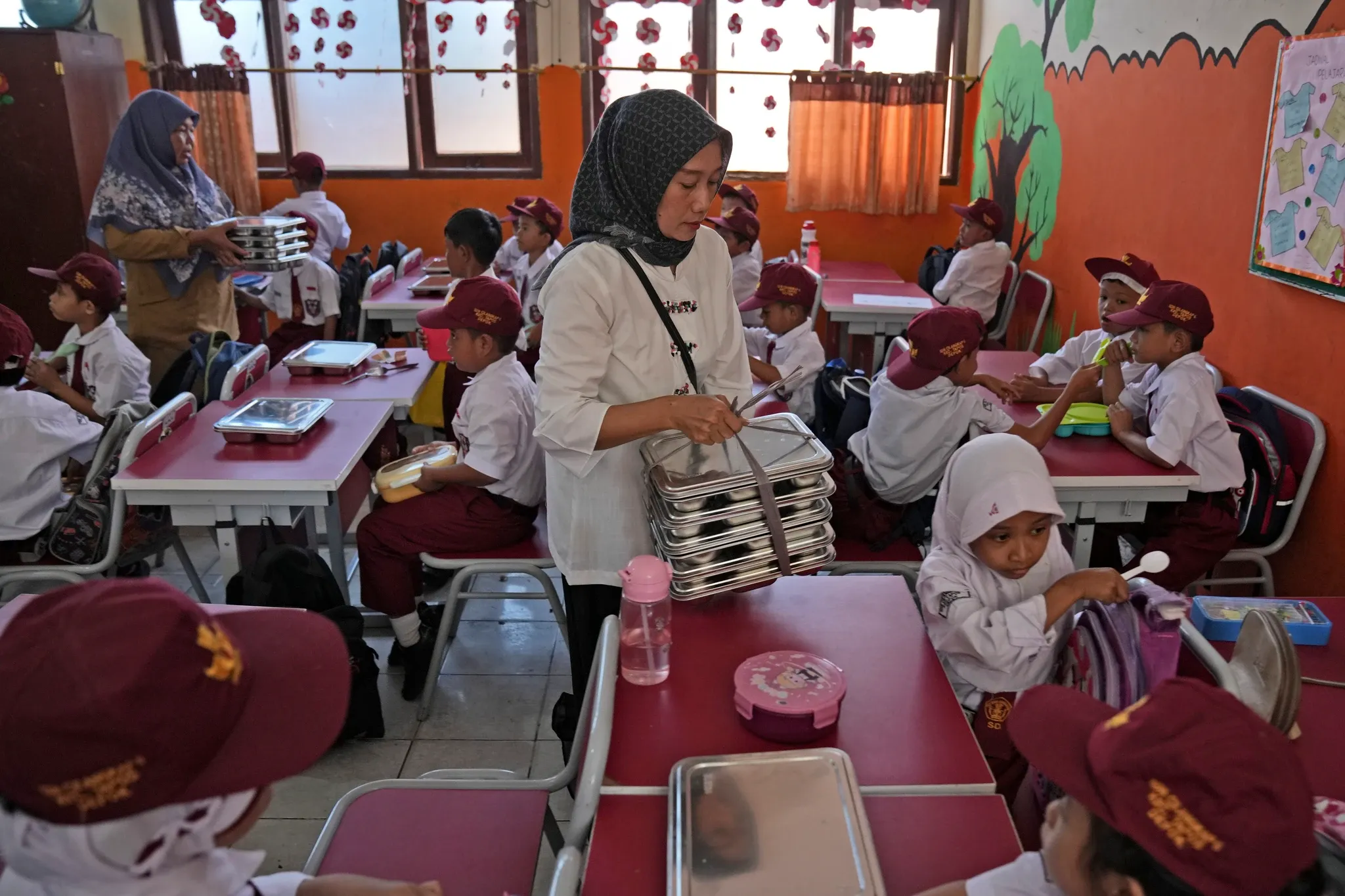
The sheer cost of this initiative is staggering—over $10 billion allocated for the free meals program in 2024. By comparison, other nations such as India and Brazil, which run similar school meal programs, operate on far smaller budgets, feeding millions more children. To fund this colossal undertaking, Prabowo pushed for cuts in other government sectors, affecting everything from education to university scholarships.
The political fallout from these cuts has been palpable, with protests breaking out among students and civil servants, who have expressed frustration with the reallocation of funds. Critics argue that the government is prioritizing a feel-good initiative over the long-term needs of critical sectors, potentially destabilizing the broader political environment.
Beyond the immediate issues of food safety and budgetary challenges, the program has attracted scrutiny over potential corruption. Early reports suggest that a meal provider in South Jakarta has accused authorities of embezzling funds, having not been paid for services rendered since February. This is just the tip of the iceberg, with experts fearing that the sheer scale of the program could become a breeding ground for corruption.
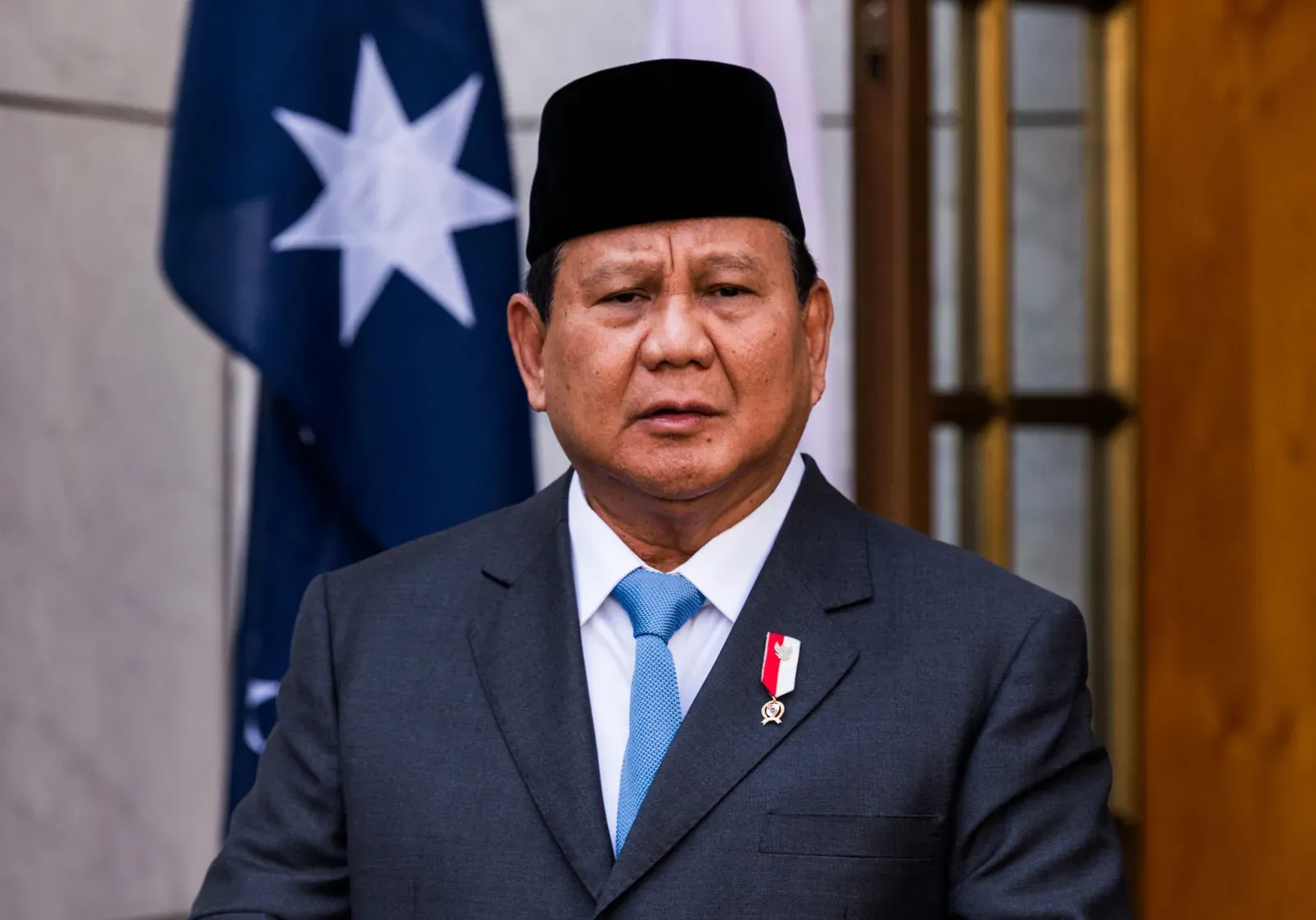
Muhammad Rafi Bakri, an analyst from Indonesia's audit board, warns that the large sums involved in the program make it an ideal target for corrupt practices. Given Indonesia's history with social assistance programs marred by fraud, the possibility of mismanagement and embezzlement looms large, casting a shadow over the entire initiative.
Despite the mounting criticisms, Prabowo remains steadfast in defending the free meal program. He has vowed to tackle the allegations of corruption and improve the food safety processes to restore public confidence. However, the political cost of continuing with a problematic program may be too high. Whether Prabowo can turn the tide and deliver on his promise remains to be seen, but the program’s current trajectory raises serious doubts about its long-term success.
In the coming months, the program's fate could have significant political repercussions for Prabowo's administration. What started as a campaign centerpiece aimed at solving a national crisis has quickly become a political and logistical quagmire, forcing the government to address deeper structural issues that extend beyond food security. The lesson may be that ambitious policies must be executed with care and foresight—something that this free meal program desperately lacked from the outset.





0 comments