
Your Read is on the Way
Every Story Matters
Every Story Matters
The Hydropower Boom in Africa: A Green Energy Revolution Africa is tapping into its immense hydropower potential, ushering in an era of renewable energy. With monumental projects like Ethiopia’s Grand Ethiopian Renaissance Dam (GERD) and the Inga Dams in the Democratic Republic of Congo, the continent is gearing up to address its energy demands sustainably while driving economic growth.
Northern Kenya is a region rich in resources, cultural diversity, and strategic trade potential, yet it remains underutilized in the national development agenda.

Can AI Help cure HIV AIDS in 2025

Why Ruiru is Almost Dominating Thika in 2025

Mathare Exposed! Discover Mathare-Nairobi through an immersive ground and aerial Tour- HD

Bullet Bras Evolution || Where did Bullet Bras go to?
A Glimmer of Hope or Just a Mirage?
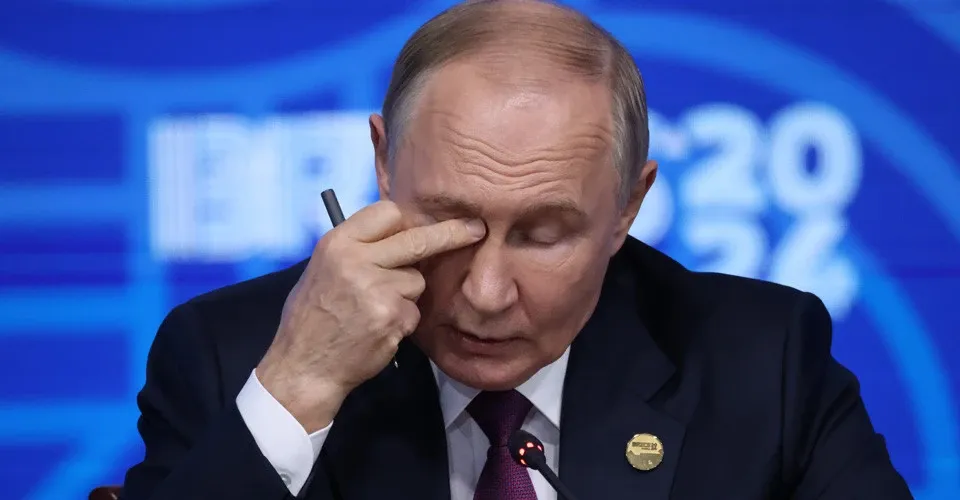
Vladimir Putin has hinted at a willingness to halt hostilities in Ukraine, but the conditions he has attached make a genuine ceasefire seem unlikely. As diplomatic channels stir with renewed urgency, the Russian leader has laid out demands that could ensure the war grinds on, rather than pauses for peace.
At first glance, Putin’s statement appeared conciliatory: “We agree with the proposals to cease hostilities.” However, he quickly followed up with a stark caveat—this pause must address the so-called “root causes” of the conflict. In Putin’s view, these causes revolve around Ukraine’s aspirations for sovereignty and integration with the West, aspirations he has consistently dismissed as illegitimate.
For Ukraine and its allies, his terms remain unacceptable. Chief among them is his demand to halt all military aid to Kyiv. Without continued Western support, Ukraine would be left vulnerable to further Russian aggression—a prospect unthinkable for its government and people. This demand is part of a broader strategy to weaken Ukraine’s resistance by limiting its ability to defend itself. Without new weapons, intelligence support, and logistics assistance, Kyiv would face mounting challenges in sustaining its war effort.
Putin’s conditions are not new. Since launching the full-scale invasion, he has called for the “demilitarization” of Ukraine, effectively seeking to neutralize the country’s ability to defend itself. Now, he insists that the West must enforce an arms embargo, preventing Ukraine from resupplying its forces. He also demands strict verification mechanisms—a requirement that raises more questions than answers.
Would Russia be willing to impose the same restrictions on itself? There is no indication that Moscow is prepared to halt its own military buildup. On the contrary, Putin has been showcasing his country’s ability to replenish forces and escalate operations at will. Russia has continued its large-scale mobilization efforts, ramping up arms production and seeking new military alliances, particularly with Iran and North Korea. Moscow’s continued development of drone technology and long-range missile systems suggests that Russia is not preparing for peace but for prolonged warfare.
Putin’s latest remarks come on the heels of his visit to Kursk, a region near the Ukrainian border where Russian forces have gained ground. With his troops making advances, he sees no incentive to ease the pressure. He openly questions the benefit of a ceasefire: “If we stop military actions for 30 days, what does that mean? Will everyone who is there leave the battle?”
His confidence is further bolstered by Russia’s recent capture of Sudzha, the largest city Ukraine had managed to reclaim. Now, he claims, Ukrainian forces hold only a “wedge” of territory, which he suggests will soon fall completely. He sees this as an opportunity to push further, rather than pause.
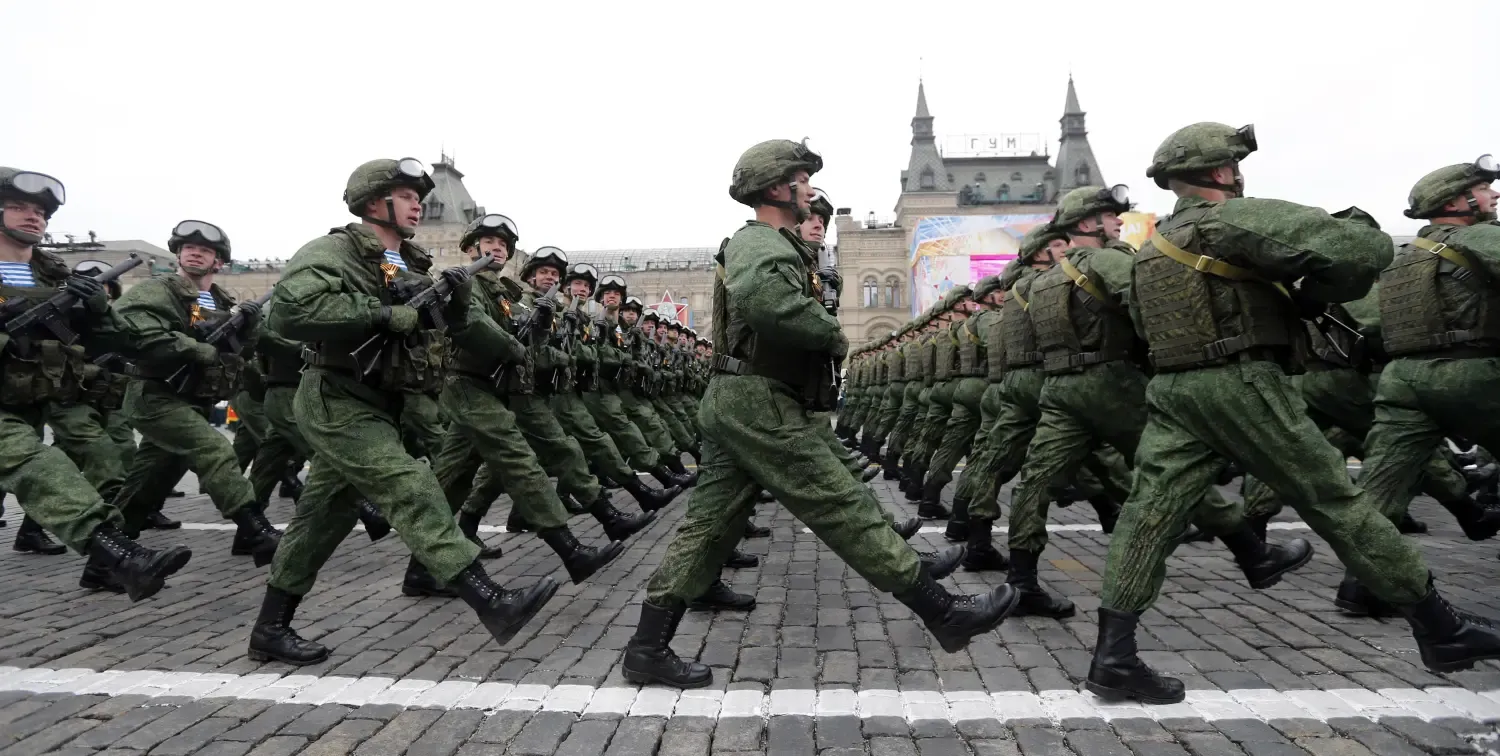
Additionally, Moscow has been reinforcing its military presence along the 1,000km (620-mile) front line, increasing drone strikes, artillery shelling, and cyber warfare efforts against Ukrainian infrastructure. The continued bombardment of Ukrainian energy facilities has left Kyiv scrambling to repair damage ahead of winter, reinforcing Putin’s belief that time is on his side.
One of Putin’s main concerns is that a temporary pause would allow Ukraine to regroup and rearm, erasing Russia’s hard-won battlefield gains. “What guarantees do we have that they won’t take advantage of this?” he asked rhetorically.
Although 15 Western nations have proposed peacekeeping forces, their involvement hinges on a final peace settlement, not a mere ceasefire. And even if that were an option, Russia has made it clear that such a presence would be unwelcome. The Kremlin views any international forces in Ukraine as a direct challenge to its influence, much like NATO’s expansion into Eastern Europe.
Moreover, the issue of territory remains a fundamental sticking point. Putin continues to assert that regions such as Donetsk, Luhansk, Zaporizhzhia, and Kherson are now “permanently” part of Russia, despite their annexation being internationally unrecognized. If a ceasefire agreement required Ukraine to forgo reclaiming these territories, it would essentially mean conceding to Russia’s land grabs—a nonstarter for Kyiv and its allies.
While Putin engaged with U.S. envoys in Moscow, his real focus lies on future talks with Washington. His remarks suggest he is laying the groundwork for negotiations with President Trump, whom he views as a key player in any resolution. “I think we need to talk to our American colleagues… maybe have a phone call with President Trump and discuss this with him.”
By framing his demands in diplomatic terms, Putin is positioning himself as a leader open to dialogue while making sure his conditions remain unattainable. His messaging is crafted not just for American negotiators but also for European leaders, seeking to exploit divisions within NATO regarding military support for Ukraine.
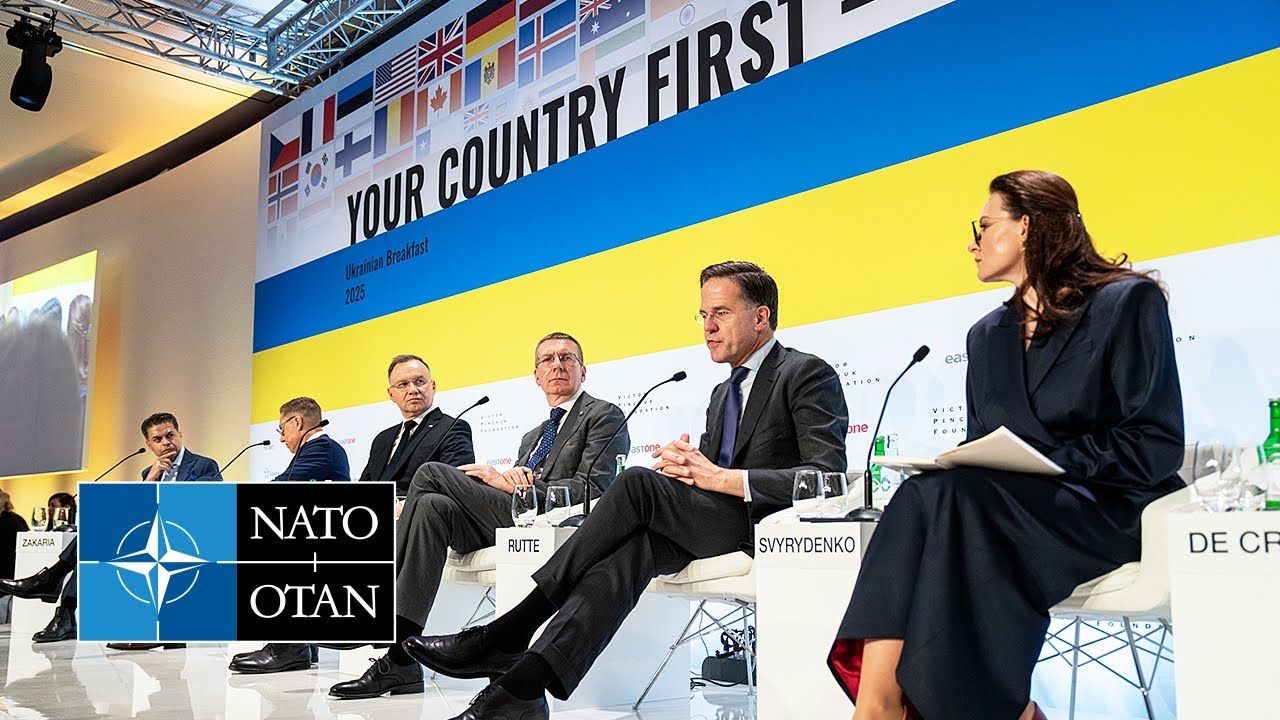
With economic pressure mounting on Western nations, Putin is banking on the possibility that fatigue over continued support for Ukraine might force compromises. The upcoming U.S. elections and shifting political dynamics in Europe could influence how long Ukraine’s allies remain steadfast in their commitments.
Despite the appearance of flexibility, Putin’s conditions reveal a strategy aimed at extending the war on his terms. A true ceasefire would require mutual concessions, yet Russia has shown little inclination to make any meaningful compromises. His insistence on Ukraine’s disarmament, Western withdrawal, and territorial concessions demonstrates that the Kremlin is not looking for an off-ramp but a continued path toward dominance.
With both sides dug in, and no neutral mechanism to enforce a ceasefire fairly, the prospects for peace remain bleak. As the war grinds on, Ukraine faces a difficult winter, and the global community must decide how to respond to Putin’s latest diplomatic maneuvering. The illusion of a ceasefire may provide a brief flicker of hope, but without genuine commitments, it remains just that—an illusion.





0 comments