
Your Read is on the Way
Every Story Matters
Every Story Matters
The Hydropower Boom in Africa: A Green Energy Revolution Africa is tapping into its immense hydropower potential, ushering in an era of renewable energy. With monumental projects like Ethiopia’s Grand Ethiopian Renaissance Dam (GERD) and the Inga Dams in the Democratic Republic of Congo, the continent is gearing up to address its energy demands sustainably while driving economic growth.
Northern Kenya is a region rich in resources, cultural diversity, and strategic trade potential, yet it remains underutilized in the national development agenda.

Can AI Help cure HIV AIDS in 2025
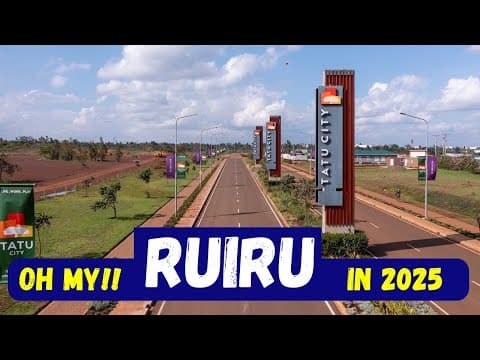
Why Ruiru is Almost Dominating Thika in 2025
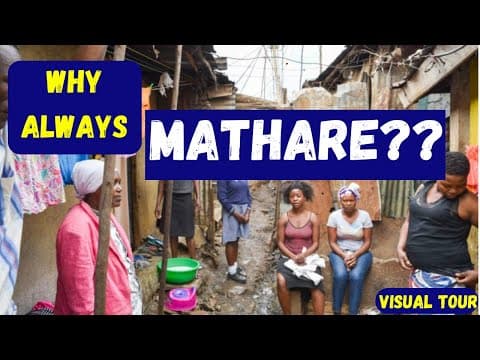
Mathare Exposed! Discover Mathare-Nairobi through an immersive ground and aerial Tour- HD

Bullet Bras Evolution || Where did Bullet Bras go to?
Ibrahim Traoré was born on March 14, 1988, in the small town of Kéra in western Burkina Faso. Raised in a traditional Muslim family, he showed an early interest in education and social justice. His academic path led him to the University of Ouagadougou, where he studied geology. But even as he trained to become a scientist, his passion for social reform and grassroots activism simmered beneath the surface.
It was during his university years that Traoré’s character began to take shape—not just as a scholar, but as a leader. He was actively involved in student unions and often participated in protests that challenged administrative decisions. These early experiences cemented his belief in accountability and set the stage for a career that would defy conventional expectations.
After completing his degree, Traoré joined the armed forces in 2010. He quickly earned a reputation as both a disciplined officer and a sharp tactical thinker. Unlike many in his ranks who sought security in obedience, Traoré questioned the motives behind operations and policy. His deployment to the volatile north, where Islamist insurgency was on the rise, exposed him to the glaring inefficiencies and foreign dependence that plagued Burkina Faso’s security forces.

Rising through the ranks, he was soon recognized for his courage under fire and his disdain for bureaucratic inaction. Traoré gained the respect of troops and citizens alike—not through grandstanding, but through a commitment to action and local empowerment.
On September 30, 2022, at just 34 years old, Ibrahim Traoré seized power in a bloodless coup, toppling Lieutenant Colonel Paul-Henri Sandaogo Damiba. But unlike many who rise through force, Traoré’s move wasn’t driven by ego. It was a calculated response to what he saw as a leadership vacuum in the face of rising insecurity and foreign meddling.
Rather than aligning himself with global powers, Traoré immediately charted a course of national autonomy. He spoke bluntly about the need for Burkina Faso to reclaim control over its own destiny—militarily, economically, and politically. His rhetoric was direct, sometimes confrontational, but resonated deeply with a population weary of external dictates.
What sets Traoré apart is his refusal to bow to international pressure. While many African leaders maintain a delicate balance between Western alliances and local interests, Traoré has unapologetically favored sovereignty over diplomacy. He has expelled foreign troops, reassessed international agreements, and prioritized homegrown solutions to security threats.

This posture hasn’t gone unnoticed. To some, he is a nationalist with revolutionary flair; to others, a defiant leader rejecting imperialist influence. Either way, Traoré is redrawing the lines of what it means to govern in the 21st-century Sahel. He remains open to cooperation—but only on terms that align with his country’s interests.
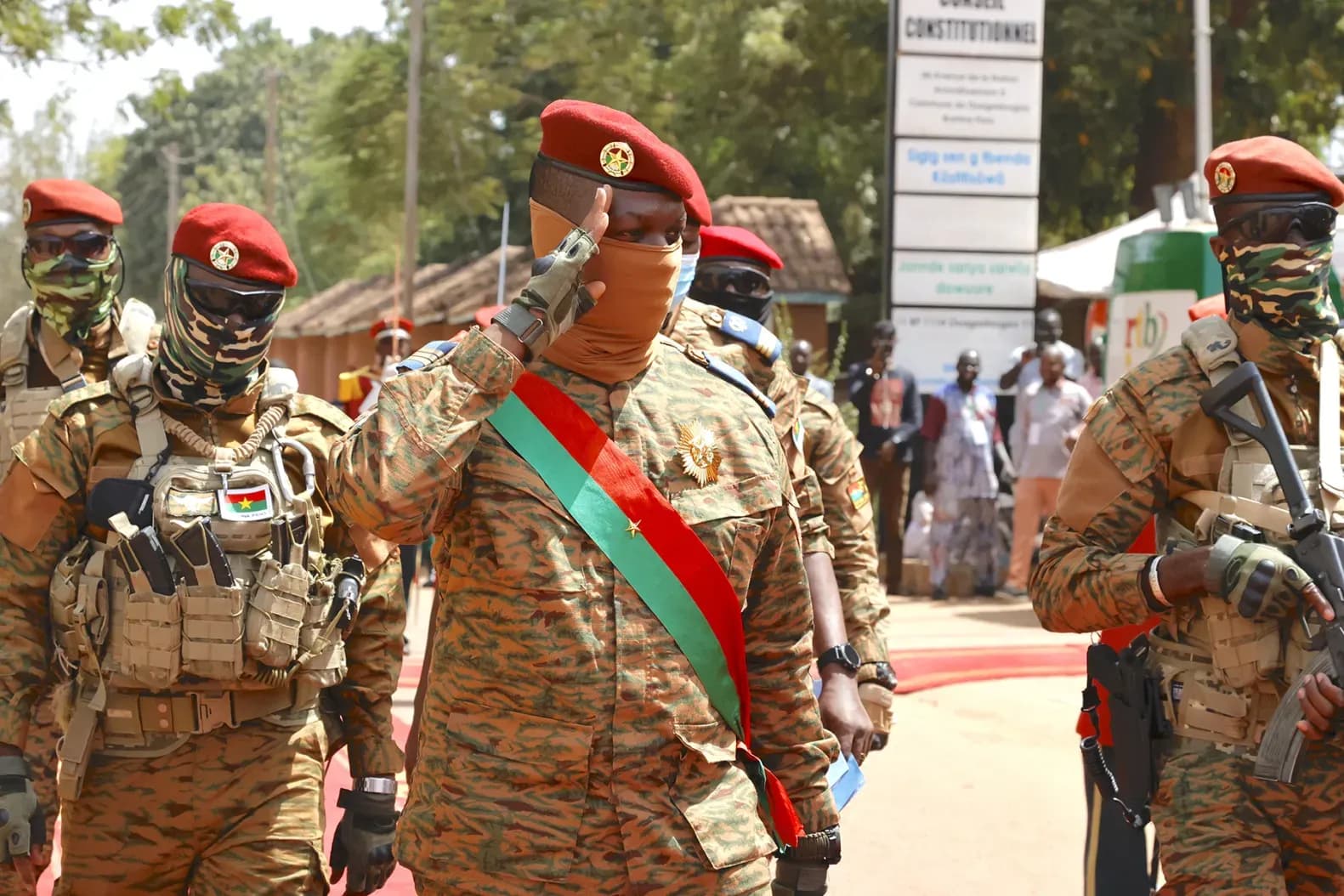
Despite his military background, Traoré avoids lavish displays of power. He wears simple uniforms, often walks among civilians without heavy security, and speaks with a clarity that appeals to ordinary citizens. His youth and plain-spoken leadership style have endeared him to a generation disillusioned by corruption and foreign-backed regimes.
He's built a reputation as a man of action, not protocol. Under his rule, Burkina Faso is attempting a bold reset—seeking partners, not patrons.
Ibrahim Traoré isn’t just leading Burkina Faso; he’s becoming the face of a broader movement across Africa. A movement that values independence over aid, security over diplomacy, and dignity over dependency. Whether his path leads to lasting reform or ignites regional realignment, one thing is clear—Traoré governs on his own terms.




0 comments