
Your Read is on the Way
Every Story Matters
Every Story Matters
The Hydropower Boom in Africa: A Green Energy Revolution Africa is tapping into its immense hydropower potential, ushering in an era of renewable energy. With monumental projects like Ethiopia’s Grand Ethiopian Renaissance Dam (GERD) and the Inga Dams in the Democratic Republic of Congo, the continent is gearing up to address its energy demands sustainably while driving economic growth.
Northern Kenya is a region rich in resources, cultural diversity, and strategic trade potential, yet it remains underutilized in the national development agenda.

Can AI Help cure HIV AIDS in 2025

Why Ruiru is Almost Dominating Thika in 2025

Mathare Exposed! Discover Mathare-Nairobi through an immersive ground and aerial Tour- HD

Bullet Bras Evolution || Where did Bullet Bras go to?
More than three years into one of Europe’s most destabilizing wars in recent memory, Ukraine and Russia arrived in Istanbul not as equals, but as adversaries growing weary of an endless grind. The war, ignited by Russia’s full-scale invasion in early 2022, has fractured borders, upended millions of lives, and redrawn alliances on the global stage.
But as 2025 unfolds, with battle lines still active and neither side securing a definitive upper hand, whispers of diplomacy began to rise above the gunfire.
Turkey, long positioning itself as a strategic intermediary, once again opened its doors to peace efforts. Choosing Istanbul—a city that straddles East and West—was both symbolic and practical. It served as neutral ground, a reminder of Turkey’s vested interest in regional stability and its increasingly nuanced foreign policy.
Hosting the first direct Ukraine-Russia peace talks in over three years, Istanbul became the arena for fragile hope and sharp rhetoric.
Ukraine’s delegation, led by Defense Minister Rustem Umerov, arrived with the air of seriousness and urgency. Kyiv’s message was clear: it was willing to talk, but not to surrender.
Russia’s decision to send a lower-level delegation, led by long-time aide Vladimir Medinsky, painted a different picture—perhaps strategic ambiguity, perhaps deliberate posturing. President Putin’s absence from the table, yet again, spoke volumes.
Ukraine saw this as a chance to force real conversations. Russia appeared to treat it as a stage play. The disparity in representation was the first crack in a fragile façade of cooperation.
From the outset, expectations were cautiously set to the lowest rung. No one expected sweeping declarations. The agenda was narrow: prisoner exchanges, safe corridors, and the hope of a ceasefire framework. But even those proved elusive.
Ukraine demanded withdrawal from occupied territories and guarantees on future security. Russia, entrenched and unrepentant, refused to offer any meaningful compromise. The lack of substantive offers from Moscow left diplomats shaking their heads behind closed doors.
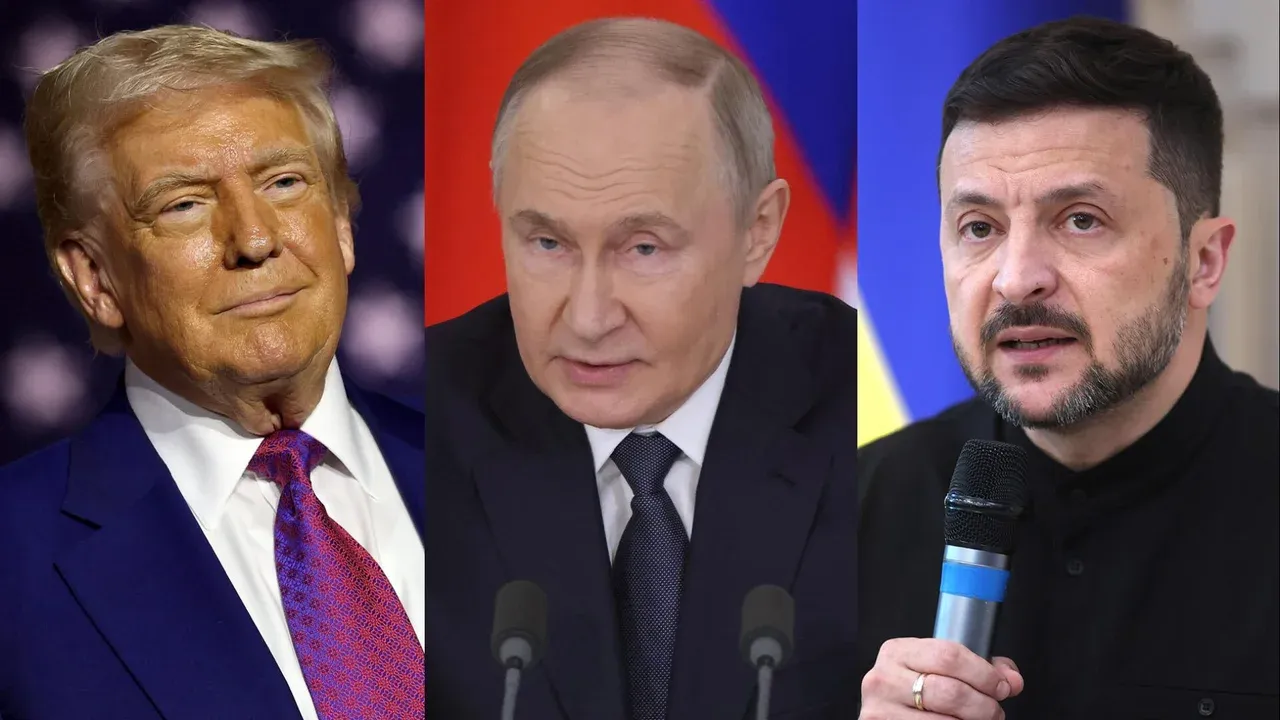
Outside the negotiations, the war did not pause. Even as delegates sat in opulent Turkish halls, reports emerged of fresh Russian drone strikes on Ukrainian infrastructure. It was a grim reminder that while words were exchanged in Istanbul, the language of violence still dominated the battlefield.
Moreover, Russia’s public insistence on excluding the United States from the table soured the tone further. While Washington’s presence—through high-ranking officials—brought weight to the process, Moscow viewed it as meddling.
In an unexpected twist, former U.S. President Donald Trump’s name re-entered the fray. Some U.S. officials floated the possibility that only a face-to-face meeting between Trump and Putin could truly end the war. While speculative, it underscored how deeply political personalities, not just policies, now shaped peace prospects.
Ukraine, meanwhile, remained wary. Any attempt to bypass their sovereignty or force a shortcut to peace would be resisted.
As talks continued, the European Union moved ahead with a fresh round of sanctions targeting Russia’s oil exports. NATO increased surveillance near its eastern borders. And China, watching quietly, issued a muted call for de-escalation.
All these moves made one thing clear: what happens in Istanbul doesn’t stay in Istanbul. These talks, whether they end in success or silence, have the power to reshape the international order.
The Istanbul meetings ended without breakthroughs, but they did leave a crack in the otherwise locked door of diplomacy. Ukraine signaled a willingness to return if future talks showed promise. Russia remained tight-lipped, giving no clear answers.
For now, peace remains a distant promise. But the fact that both sides showed up—even if for different reasons—suggests that fatigue may slowly be eclipsing firepower.
The Istanbul summit served as a microcosm of the entire war: asymmetrical, unpredictable, and frustrating. Yet even failed diplomacy is diplomacy. And in wars where both victory and defeat carry unbearable costs, the path to peace—even a jagged, stumbling one—is the only path that truly matters.





0 comments