
Your Read is on the Way
Every Story Matters
Every Story Matters
The Hydropower Boom in Africa: A Green Energy Revolution Africa is tapping into its immense hydropower potential, ushering in an era of renewable energy. With monumental projects like Ethiopia’s Grand Ethiopian Renaissance Dam (GERD) and the Inga Dams in the Democratic Republic of Congo, the continent is gearing up to address its energy demands sustainably while driving economic growth.
Northern Kenya is a region rich in resources, cultural diversity, and strategic trade potential, yet it remains underutilized in the national development agenda.

Can AI Help cure HIV AIDS in 2025

Why Ruiru is Almost Dominating Thika in 2025

Mathare Exposed! Discover Mathare-Nairobi through an immersive ground and aerial Tour- HD

Bullet Bras Evolution || Where did Bullet Bras go to?
War is never just fought with missiles and drones—it is also waged in currencies, credit ratings, inflation rates, and disrupted trade routes. For both Israel and Iran, the specter of full-scale war poses not only a military gamble but an economic reckoning. Beneath the nationalistic rhetoric and battlefield bravado lies a fundamental question: can either of these countries afford a sustained war without triggering economic self-destruction?
Israel enters this moment of crisis with a relatively resilient and diversified economy. Its tech sector, advanced manufacturing, and robust defense industry have helped it weather past shocks. However, a prolonged military campaign—especially one that stretches beyond Gaza and Lebanon into direct, sustained confrontation with Iran—will come with punishing economic consequences.
War footing means diverting funds from innovation to ammunition, from education to emergency response. The Israeli shekel is already under pressure, foreign investment sentiment is wobbling, and key industries such as tourism, real estate, and tech exports are bracing for long-term instability. Reserve call-ups and prolonged security operations could disrupt the labor market, strain public finances, and increase inflation.
The government will likely ramp up defense spending drastically, potentially forcing new taxes or debt issuance. All of this may trigger credit downgrades, shrinking access to cheap financing. While Israel’s central bank has buffers, its economic flexibility is not infinite—especially if war disrupts trade routes, deters foreign investors, or prompts sanctions from international players opposed to a widened conflict.
Iran’s economy, by contrast, is already heavily sanctioned and battered by years of international isolation. Its currency, the rial, has lost much of its value, inflation is rampant, unemployment is high, and access to global markets remains choked. While the Iranian regime has long used state control and black-market strategies to survive, a war with Israel would stress the system to its absolute limits.
Fuel subsidies, already a major fiscal burden, would become unsustainable in wartime. Escalating conflict would likely provoke even harsher sanctions or coordinated international restrictions on oil exports—its most vital lifeline. Military spending would surge beyond what Tehran’s weakened treasury can reasonably support. Black market inflation would worsen, protests could reignite, and internal instability would skyrocket.
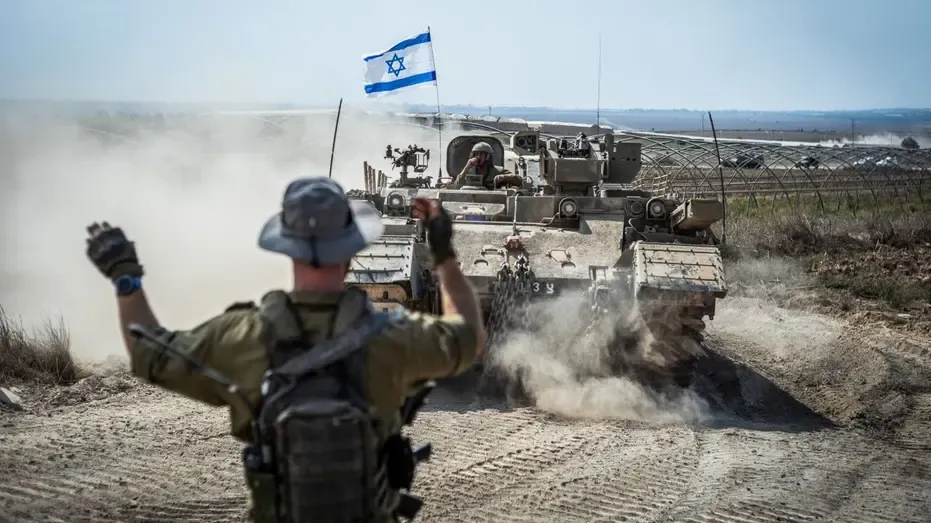
Moreover, Iran’s civilian infrastructure, already brittle from years of neglect, would struggle to withstand Israeli precision strikes. Rebuilding efforts would be costly and slow, if not entirely halted by blockades or sanctions. The regime may attempt to lean on allies like Russia or China, but their support could be limited and transactional.
Both nations must also contend with the wider regional economic implications. Oil prices are already reacting to rising hostilities, and further disruptions in the Strait of Hormuz or Red Sea would send global shipping and energy markets into chaos. For Israel, that means higher import costs and tighter global supply chains. For Iran, it means greater geopolitical scrutiny and diplomatic isolation.
If conflict pulls in Lebanon, Syria, or the Gulf states, the economic impact could ripple across the Middle East—causing a regional recession and further pressure on international aid, migration flows, and currency markets.
Financial markets are increasingly uneasy. Credit default swaps for both countries are widening—indicating growing investor anxiety about default risks. Central banks in Europe and Asia are quietly preparing for commodity shocks, and major multinationals are evaluating their exposure in Israeli tech and regional energy projects.
For both Iran and Israel, the ability to sustain war is no longer just about military stockpiles. It’s about whether their economies can keep society functioning under the pressure of falling GDP, rising debt, and fractured public services.
Both Israel and Iran may talk tough, but economically, neither is built for a drawn-out conflict. Israel risks bleeding out its innovation-led economy to fund a forever war. Iran risks internal collapse under the weight of poverty, unrest, and economic isolation. A full-blown war would not yield victory in the traditional sense—it would invite ruin, drag allies into chaos, and likely take a generation to repair.
The real battle may soon shift from missiles to money, and the side that avoids economic collapse will ultimately have the upper hand.






0 comments