
Your Read is on the Way
Every Story Matters
Every Story Matters
The Hydropower Boom in Africa: A Green Energy Revolution Africa is tapping into its immense hydropower potential, ushering in an era of renewable energy. With monumental projects like Ethiopia’s Grand Ethiopian Renaissance Dam (GERD) and the Inga Dams in the Democratic Republic of Congo, the continent is gearing up to address its energy demands sustainably while driving economic growth.
Northern Kenya is a region rich in resources, cultural diversity, and strategic trade potential, yet it remains underutilized in the national development agenda.

Can AI Help cure HIV AIDS in 2025

Why Ruiru is Almost Dominating Thika in 2025

Mathare Exposed! Discover Mathare-Nairobi through an immersive ground and aerial Tour- HD

Bullet Bras Evolution || Where did Bullet Bras go to?
In a significant and calculated move, Niger’s military junta has decided to release several high-ranking officials who were detained after the coup that ousted President Mohamed Bazoum in 2023. However, despite this apparent gesture of goodwill, Bazoum, the former president, continues to be held under house arrest. His continued detention underscores the military's firm resolve to retain control over the country, with no immediate plans to reinstate the civilian government.
This selective release raises crucial questions about the junta’s true intentions. While the release of ministers might be interpreted as an attempt to pacify both domestic and international critics, the continued captivity of Bazoum points to a deeper, more complex political strategy. The military’s ability to manage public perception and maintain a semblance of legitimacy is being tested, but the true balance of power remains firmly in their hands. This maneuver, in essence, sends a message to the people of Niger and to the world—that while some concessions might be made, the core of the junta’s rule is not up for negotiation.
The officials released from detention include former ministers who played key roles in Bazoum’s administration, as well as influential members of his ruling political party. Among those freed were Mahamane Sani Issoufou, the ex-minister of oil, and Foumakoye Gado, the former president of the ruling party. Their release signals that the junta may be attempting to soften its image by allowing certain individuals—whom they deem less threatening—to return to some form of political engagement.
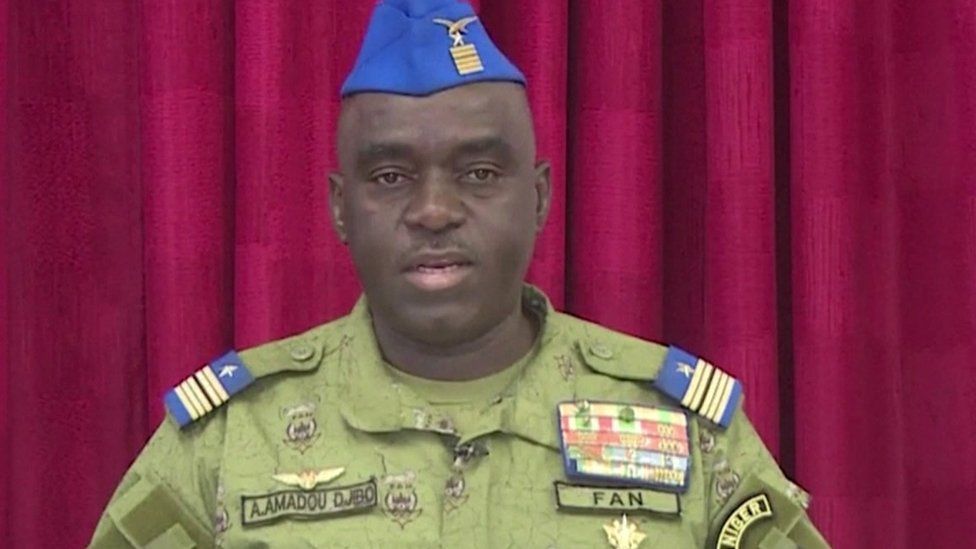
However, the timing of these releases is highly strategic. By freeing high-profile figures, the junta is likely trying to demonstrate that they are willing to compromise, or at least appear reasonable. Yet, this does not automatically restore the political influence these figures once held. Many of the released officials are not in a position to challenge the junta’s power directly, as they remain under heavy surveillance and may be coerced into compliance. The junta’s careful management of these figures suggests that the released ministers may not fully regain their former status, leaving them with little to no meaningful political agency.
While the junta has opted to free several detained officials, the continued imprisonment of Mohamed Bazoum is a glaring indication of the military's intentions. Bazoum, who was democratically elected in 2021, has remained under house arrest, cut off from communication with the outside world. His prolonged detention serves as a constant reminder that the junta is unwilling to relinquish control of the government. Despite frequent calls from international organizations and leaders to release him, the junta has made it clear that Bazoum’s fate will not be determined by external pressure.
Bazoum’s supporters argue that his continued captivity is a violation of Niger’s democratic principles and human rights. The former president himself has condemned the military’s actions, calling for the restoration of constitutional order. However, as the days turn into months, his position looks increasingly precarious. The junta’s firm hold on power makes it unlikely that he will be freed anytime soon, further cementing the perception that the military is in control and that civilian leadership is not immediately forthcoming.
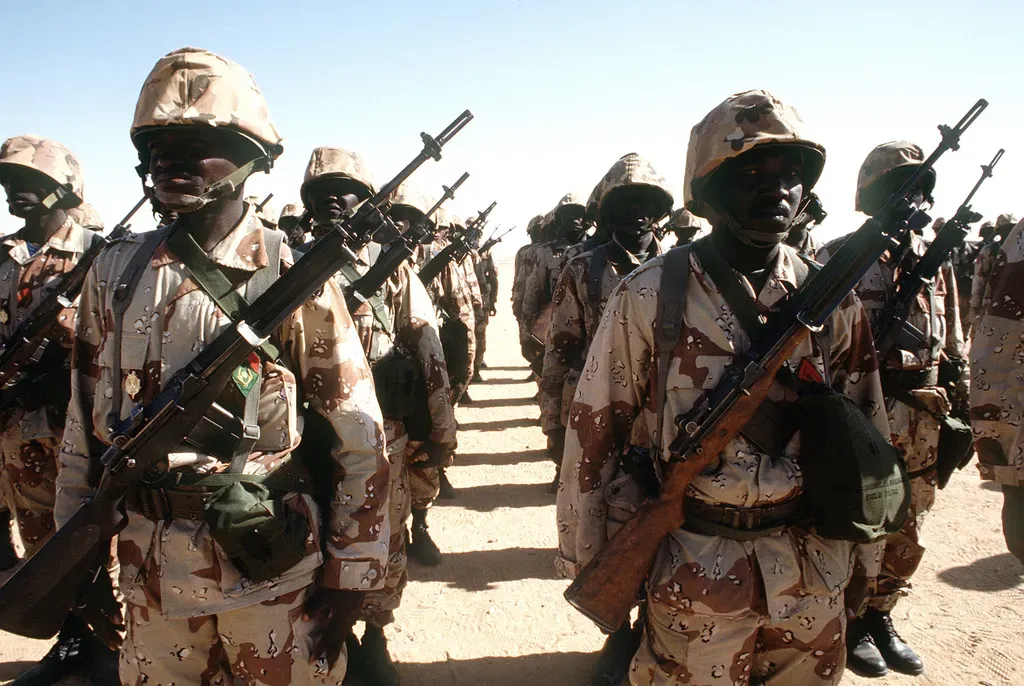
In addition to releasing key officials, the junta has set in motion a five-year transitional period, one that is set to reshape the political landscape of Niger. This transition period, rather than serving as a bridge to a return to democracy, effectively provides the military with the time and authority to solidify its power. The junta has dismantled the previous constitution and replaced it with a new framework that grants them sweeping executive powers.
The lack of clear timelines for returning to civilian rule and the dissolution of political parties signal that the junta intends to hold on to power for the foreseeable future. The political space is now under the control of the military, and the country’s future direction will be dictated by those in charge of the armed forces. This move appears to be less about reform and more about maintaining military dominance, with the prospect of a genuine democratic transition pushed further into the distance. The junta’s actions reflect a determination to rule unchallenged, with no immediate plans to restore the political status quo that existed before the coup.
Alongside its domestic maneuvers, Niger has also redefined its foreign relations since the coup. In a sharp pivot, the junta has expelled U.S. and French forces from the country, severing long-standing military and diplomatic ties. This move comes as part of a broader shift toward Russia, with the junta seeking closer military cooperation with Moscow. This realignment reflects a growing trend in West Africa, where several other military-led governments have begun to lean towards Russia for support.
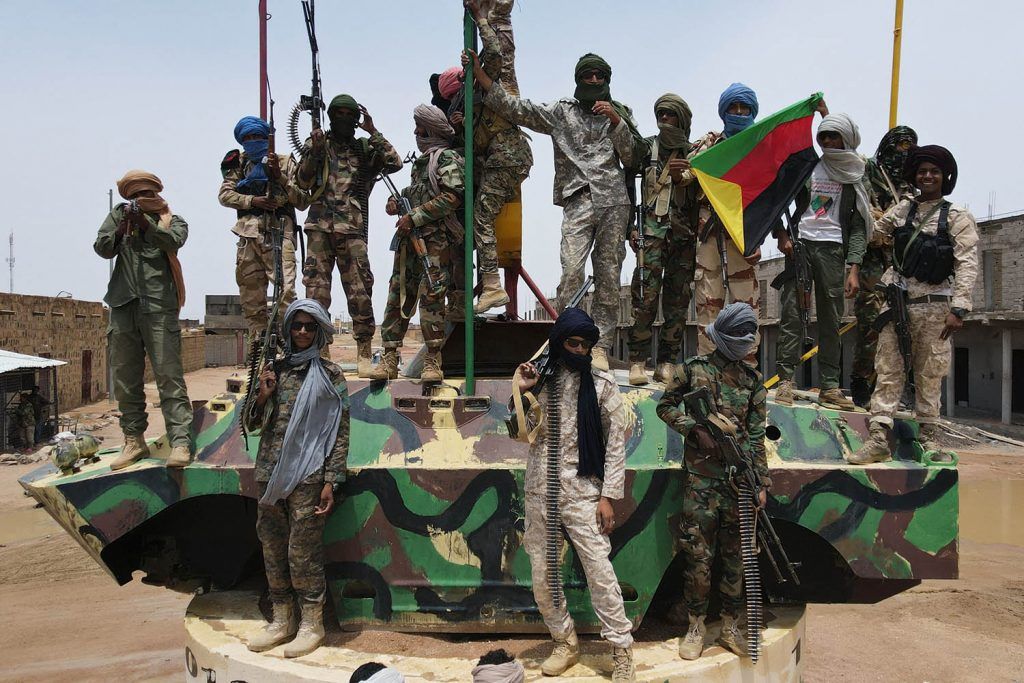
The junta’s decision to distance itself from traditional Western allies is not only a strategic one but also a symbolic rejection of the West’s influence in the region. As France and the United States withdraw, Niger is looking to forge new alliances, particularly with Russia, whose presence in Africa has been steadily increasing in recent years. This geopolitical shift is likely to have far-reaching consequences, altering the security dynamics of the region and potentially leading to a reorientation of Niger’s foreign policy priorities.
Niger’s political transformation is part of a broader trend sweeping across West Africa, where military coups and transitional governments have become more common. Countries such as Mali and Burkina Faso have also seen their elected governments replaced by military regimes, and Niger’s junta is keen to position itself within this growing bloc of military-led nations. The longer the junta remains in power, the more it could influence the political and security landscape of the region, pushing West Africa further away from its traditional democratic norms.
As Niger navigates through this uncertain phase, it risks becoming a focal point in the region’s ongoing struggle between military and civilian rule. The junta’s extended hold on power, coupled with its shift towards Russia, signals that West Africa may be entering a new era, one in which military governments take center stage. This could have a profound effect on governance models throughout the region, potentially leading to further instability and a realignment of political allegiances across Africa.





0 comments