
Your Read is on the Way
Every Story Matters
Every Story Matters
The Hydropower Boom in Africa: A Green Energy Revolution Africa is tapping into its immense hydropower potential, ushering in an era of renewable energy. With monumental projects like Ethiopia’s Grand Ethiopian Renaissance Dam (GERD) and the Inga Dams in the Democratic Republic of Congo, the continent is gearing up to address its energy demands sustainably while driving economic growth.
Northern Kenya is a region rich in resources, cultural diversity, and strategic trade potential, yet it remains underutilized in the national development agenda.

Can AI Help cure HIV AIDS in 2025

Why Ruiru is Almost Dominating Thika in 2025

Mathare Exposed! Discover Mathare-Nairobi through an immersive ground and aerial Tour- HD

Bullet Bras Evolution || Where did Bullet Bras go to?
The leaders of the Group of Seven (G7) convened in an emergency session to respond to the intensifying confrontation between Israel and Iran. While the final communique included a unified call for “de-escalation,” the group deliberately avoided the term “ceasefire,” underscoring the delicate balance between diplomatic caution and geopolitical loyalties.
This decision, or lack thereof, has already raised questions about the collective influence and coherence of the G7 in a crisis that is rapidly destabilizing the Middle East and drawing global attention. The restrained language reflects internal rifts over how far the bloc should go in restraining either party—particularly Israel, a close ally to several G7 members.
The phrasing used by the G7 is being interpreted as a carefully negotiated compromise. Some members—such as France, Germany, and Canada—were reportedly in favor of more direct diplomatic intervention, including an immediate ceasefire appeal. Others, particularly the U.S. and U.K., leaned toward more tempered language in order to preserve Israel’s freedom of action amid what they consider national security imperatives.
The outcome is a statement that urges “restraint” and “avoiding further escalation” but makes no demand for a cessation of hostilities. This language leaves room for continued military engagement under the guise of defensive operations, effectively giving Israel diplomatic space to continue its strategy against Iranian targets.
While the G7 deliberates over semantics, the cost of delay is becoming painfully evident. Civilian casualties are rising in both Israel and Iran, and particularly in Gaza, where the humanitarian crisis is deepening by the day. The lack of a firm call for a ceasefire sends a worrying message to conflict-affected populations—that even the world’s most powerful democracies are unwilling or unable to force a humanitarian pause.
In Gaza, aid distribution points have become battlegrounds, with dozens killed while attempting to receive food and basic necessities. Iranian cities have experienced widespread blackouts and mass evacuations. Israeli urban centers remain on high alert, with shelters crowded and infrastructure strained. Yet, the G7 response remains confined to vague appeals and symbolic gestures.
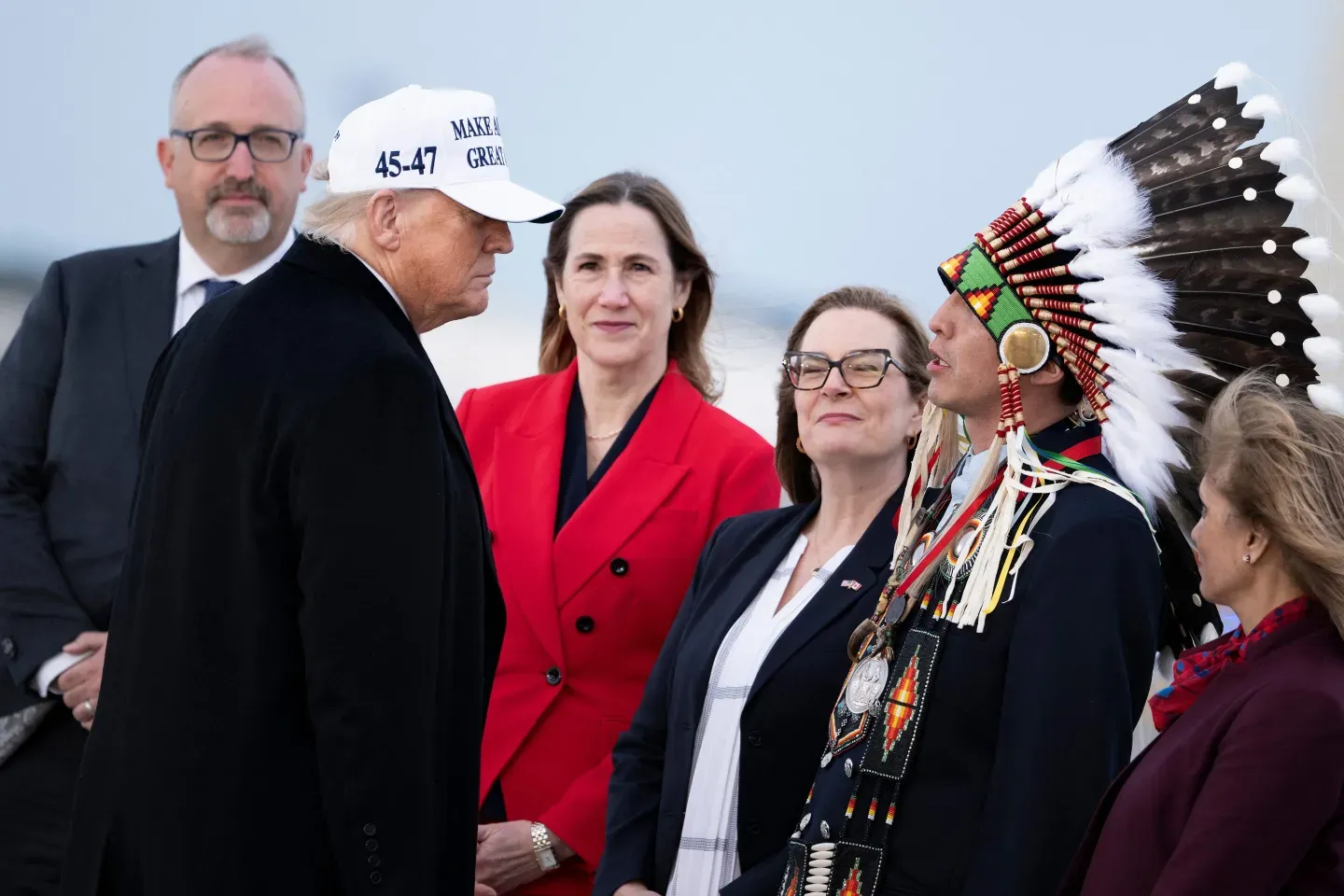
The G7’s inability to reach consensus on a ceasefire casts doubt on the group's capacity to shape major international outcomes. The bloc has historically portrayed itself as a guardian of global peace, liberal values, and coordinated economic and security policies. But in this instance, divergent national interests appear to have taken precedence over unified moral authority.
This moment exposes a fracture between rhetorical leadership and practical influence. It also reveals the growing difficulty of maintaining Western unity in a multipolar world, where conflicts like the Israel-Iran confrontation intersect with energy policy, military alliances, and domestic politics.
The absence of a G7-endorsed ceasefire appeal effectively cedes diplomatic momentum to other actors—whether regional powers, non-aligned nations, or multilateral organizations. It may also embolden continued military operations by signaling a lack of global pressure.
With neither Israel nor Iran showing signs of backing down, and with humanitarian conditions worsening, the next phase of the conflict could prove even more destabilizing. If the G7 hopes to restore credibility and global trust, it must move beyond cautious language and exert genuine influence—either through direct diplomacy or coordinated sanctions and incentives.
For now, its call for de-escalation rings hollow in the face of rockets, retaliations, and rising civilian graves





0 comments