
Your Read is on the Way
Every Story Matters
Every Story Matters
The Hydropower Boom in Africa: A Green Energy Revolution Africa is tapping into its immense hydropower potential, ushering in an era of renewable energy. With monumental projects like Ethiopia’s Grand Ethiopian Renaissance Dam (GERD) and the Inga Dams in the Democratic Republic of Congo, the continent is gearing up to address its energy demands sustainably while driving economic growth.
Northern Kenya is a region rich in resources, cultural diversity, and strategic trade potential, yet it remains underutilized in the national development agenda.
Can AI Help cure HIV AIDS in 2025
Why Ruiru is Almost Dominating Thika in 2025
Mathare Exposed! Discover Mathare-Nairobi through an immersive ground and aerial Tour- HD

Bullet Bras Evolution || Where did Bullet Bras go to?
Pope Francis stepped into the shoes of St. Peter with an unexpected charisma—disarming, plainspoken, and grounded. His first acts as pope, from refusing luxury to embracing the vulnerable, revealed a vision of leadership based not on power but on service. Where others emphasized theological certainties, Francis emphasized listening. Where others clung to protocol, he reached for the wounded. He didn’t just talk about humility—he lived it. This shift in tone immediately altered the public image of the Catholic Church, offering something sorely needed in a weary world: authenticity.
Under Francis, the papacy became less about ruling from above and more about walking beside. He reminded Catholics that faith isn't reserved for the sinless but for the struggling, the seekers, and the left-behind. His accessible style drew millions closer to the Church, even among those disillusioned or long estranged. He made the Vatican feel human again.
One of Francis’s most demanding battles has been the internal reform of the Church’s vast and complex machinery. The Vatican bureaucracy, long criticized for corruption, cronyism, and opacity, found itself under a sweeping reorganization. He created new departments to streamline governance, brought in lay experts to monitor finances, and enforced accountability in a system that had grown insular.
This effort wasn’t just about numbers—it was about trust. By cleaning house, Francis sent a message: moral leadership must begin with moral practice. He even restructured the College of Cardinals, intentionally elevating voices from overlooked corners of the globe—Africa, Asia, Latin America—reflecting his belief that the Church is truly catholic, or universal.
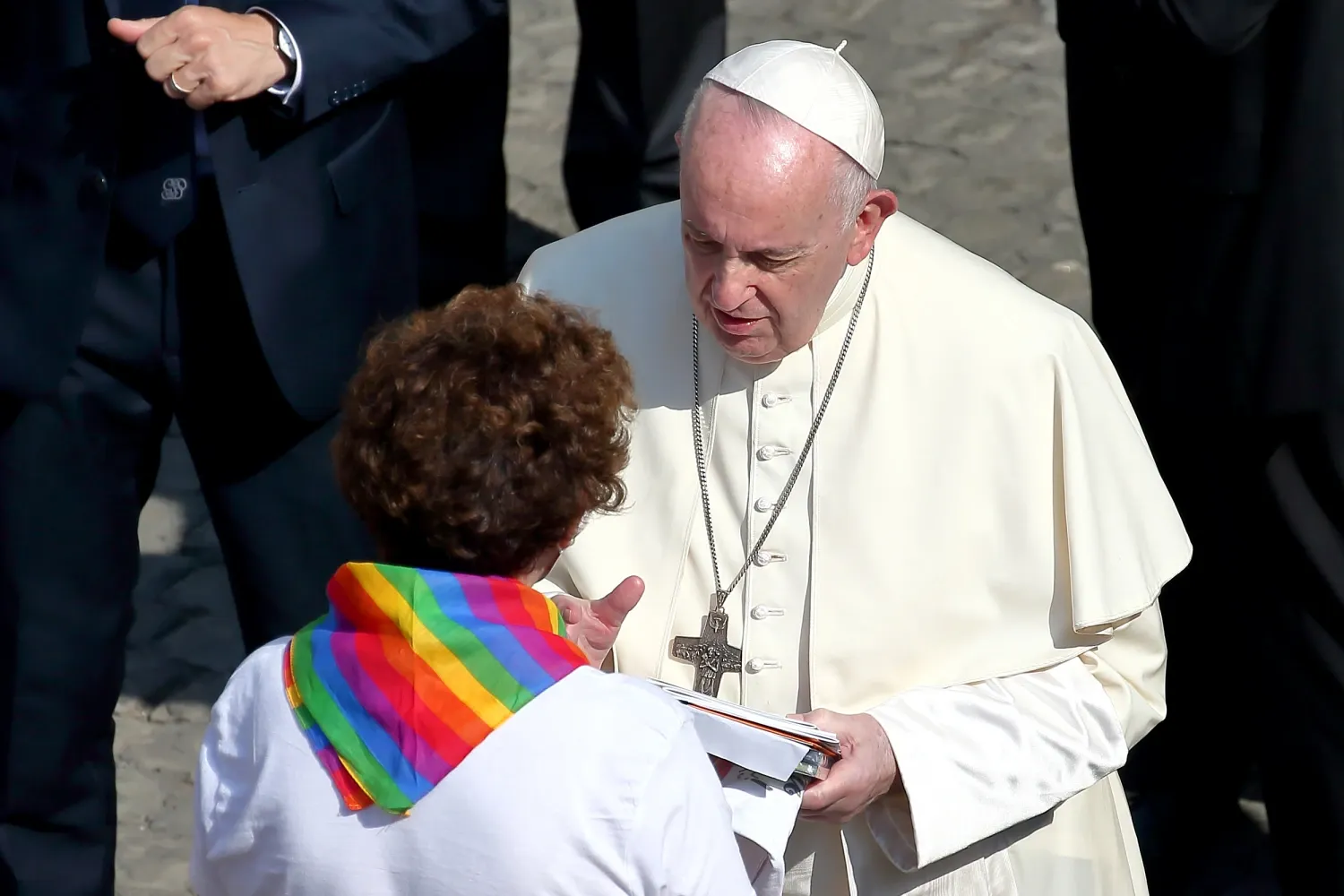

Francis made headlines when he reached out to those traditionally pushed to the Church’s periphery—divorced couples, single mothers, non-believers, and especially the LGBTQ+ community. He didn’t offer a dramatic shift in doctrine, but he offered something just as powerful: welcome. Through his words and actions, he reframed the Catholic stance on sexuality, not by rewriting moral law but by shifting its focus toward mercy, dignity, and accompaniment.
His support for civil unions, and more importantly, his insistence on the humanity and faithfulness of LGBTQ+ people, opened a door previously locked tight. In doing so, Francis not only softened hearts but empowered a wave of dialogue within parishes and dioceses long frozen in silence.
With the landmark encyclical Laudato Si’, Francis declared that care for the planet is not optional—it’s a sacred duty. He tied environmental destruction directly to social injustice, showing how climate change harms the poor first and worst. This wasn’t simply a political position; it was a deeply spiritual appeal, drawing on Scripture, theology, and science alike.
His green gospel called for a bold transformation of economic systems, energy usage, and global habits. And while the encyclical drew criticism from industry-aligned figures, it electrified young Catholics and faith-based environmentalists worldwide. Under his leadership, the Church stepped onto the global climate stage—not as an observer, but as a prophet.
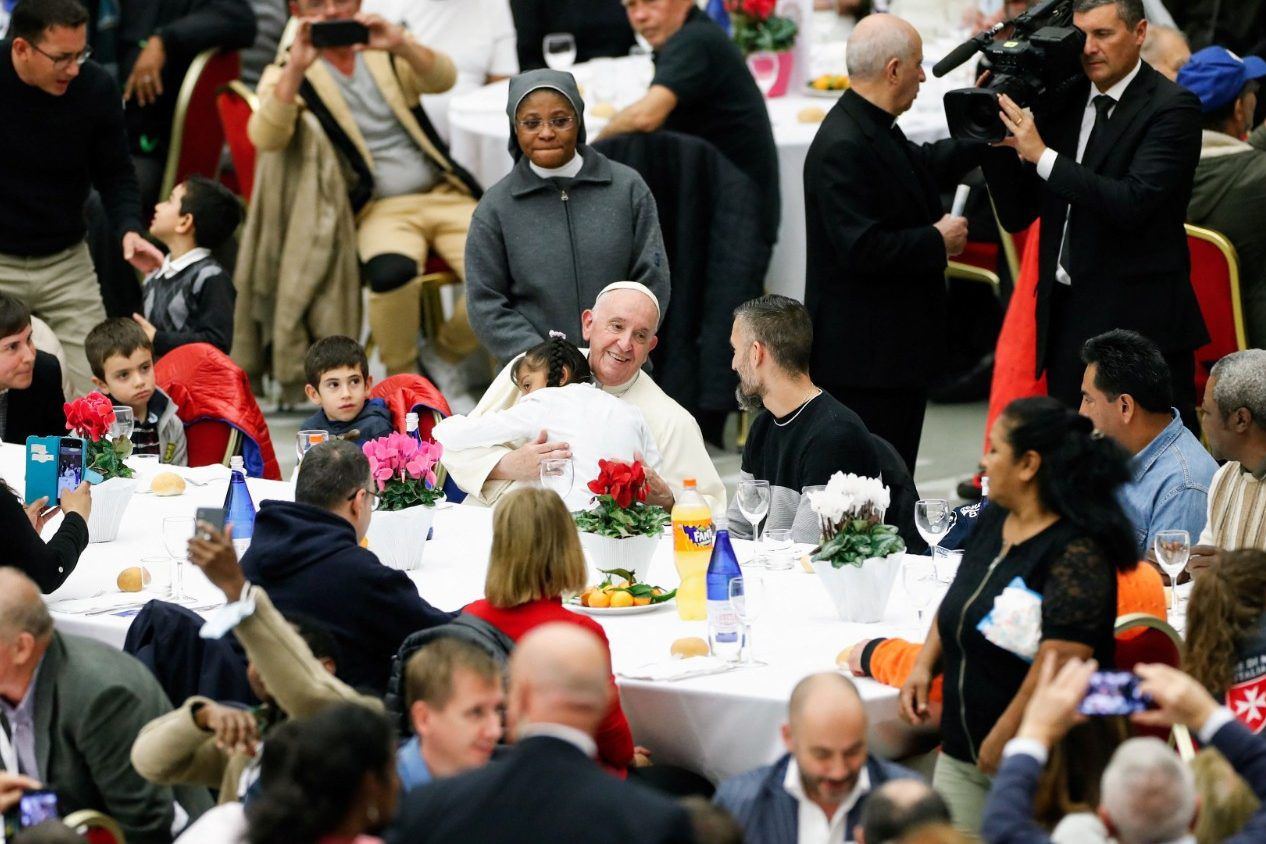

Francis's heart beats strongest for the displaced and the voiceless. His visits to refugee camps, prisons, and impoverished communities were not mere photo-ops—they were declarations. He relentlessly called for humane immigration policies, economic systems that prioritize people over profits, and international cooperation to fight global poverty.
He condemned the growing culture of indifference that devalues human life and champions profit. For him, faith demands activism—standing with the oppressed and creating a culture of encounter. His messages to world leaders often carried a moral urgency unmatched in recent papacies.
In an unexpected but telling move, Pope Francis embraced sports as a stage for peace and human development. He regularly celebrated athletes and teams not just for victory, but for promoting cooperation, humility, and perseverance. Sports, to him, are more than games—they’re arenas where the human spirit reveals its best.
He helped launch Vatican Athletics, supported inclusive sports for people with disabilities, and encouraged youth to see athletic effort as a form of spiritual discipline. He spoke often about how sports can bridge gaps between cultures, turn rivals into teammates, and transform competition into communion.
You can also read this related article: Pope Francis Passes Away on Easter Monday, Leaving Behind a Legacy of Reform and Compassion
When COVID-19 struck, Francis rose to the occasion as a spiritual first responder. In an unforgettable moment, he stood alone in a rain-soaked St. Peter’s Square, blessing a frightened world. That silence spoke louder than sermons. Throughout the pandemic, he pushed for equitable vaccine access, defended science, and called for care systems that prioritize the vulnerable.
He reminded people that faith is not isolation—it is solidarity. He connected the pain of the pandemic to the suffering of Christ, offering not platitudes but presence. His leadership provided moral grounding in a time of confusion and fear.
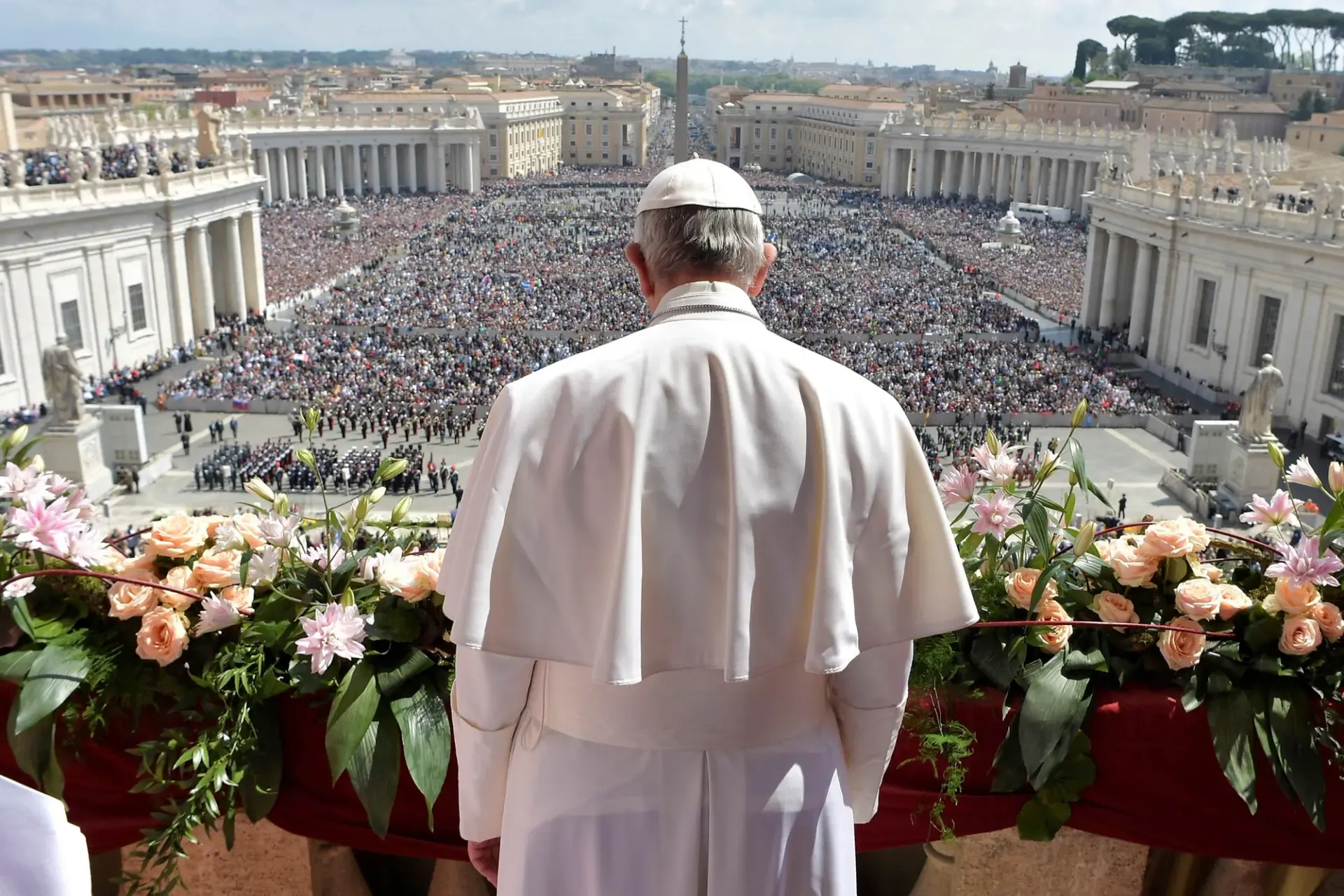

Perhaps Francis’s most transformative idea is one that many are just beginning to understand: synodality. This isn’t just another Vatican buzzword—it’s a profound reshaping of how the Church operates. Synodality is about listening—across continents, cultures, and classes—and letting those voices help shape decisions.
He envisions a Church that walks together, not one ruled from a distant throne. Through global listening sessions, consultations with laypeople, and open dialogues on once-taboo topics, Francis is building a more participatory, dynamic faith. It’s a long-term project, but it may become his most enduring legacy.
More than a decade into his papacy, Pope Francis continues to challenge assumptions and stretch the boundaries of Catholic tradition. He is not a liberal pope—he is a radically faithful one. He believes that doctrine without love is hollow, and that the Church must be a living instrument of mercy, not a museum of moral purity.
His efforts haven’t pleased everyone. Conservatives fear he's diluting truth. Progressives wish he’d go further. But in walking a path between those poles, Francis has reminded the world that faith is not about certainty—it’s about courage, compassion, and community.





0 comments