
Your Read is on the Way
Every Story Matters
Every Story Matters
The Hydropower Boom in Africa: A Green Energy Revolution Africa is tapping into its immense hydropower potential, ushering in an era of renewable energy. With monumental projects like Ethiopia’s Grand Ethiopian Renaissance Dam (GERD) and the Inga Dams in the Democratic Republic of Congo, the continent is gearing up to address its energy demands sustainably while driving economic growth.
Northern Kenya is a region rich in resources, cultural diversity, and strategic trade potential, yet it remains underutilized in the national development agenda.

Can AI Help cure HIV AIDS in 2025

Why Ruiru is Almost Dominating Thika in 2025

Mathare Exposed! Discover Mathare-Nairobi through an immersive ground and aerial Tour- HD

Bullet Bras Evolution || Where did Bullet Bras go to?
What was supposed to be a routine political engagement turned into an unexpected diplomatic crisis when a group of opposition leaders from various African nations was denied entry into Angola. The delegation, which included prominent figures such as Kenyan Senator and Orange Democratic Movement (ODM) Secretary-General Edwin Sifuna, Tanzanian opposition leader Tundu Lissu, and others from Botswana, Lesotho, Malawi, and even countries outside Africa such as Germany and the UK, had arrived in Luanda for a planned political event hosted by Angola’s main opposition party, the National Union for the Total Independence of Angola (UNITA).
However, upon landing at Luanda’s international airport, they were stopped at immigration and informed that they would not be allowed into the country. No prior warnings had been issued, and no explanations were immediately provided by Angolan authorities. The group found themselves in a bureaucratic deadlock, stuck in transit without any clear indication of what would happen next. The nature of the denial raised serious questions. Was this a mere immigration mishap, or a deliberate move to stifle international political collaboration?
For hours, the stranded leaders remained confined to the airport, unable to leave or communicate freely with officials. Attempts to reason with immigration authorities proved futile as the officials remained tight-lipped about the reasons behind their refusal. Frustration mounted as the leaders tried reaching out to their respective embassies for assistance. Some took to social media to expose the situation, hoping international attention would force Angola to act.
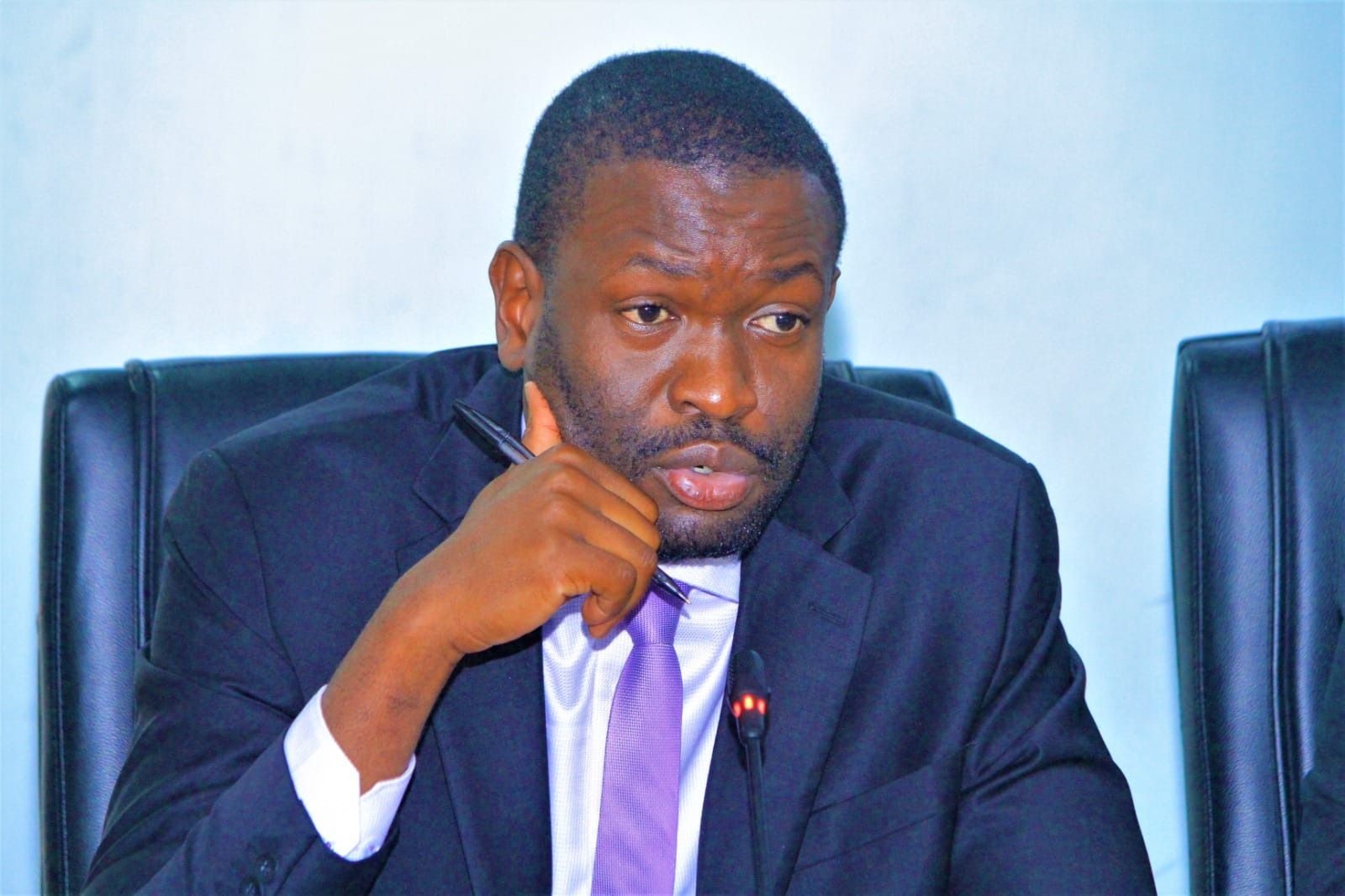
Among them, Edwin Sifuna managed to contact Kenya’s ambassador to Angola, Joyce Mmaitsi, who quickly mobilized diplomatic efforts to ensure his safe passage out of the country. After several hours of negotiations, Sifuna was finally allowed to board a flight to Addis Ababa, Ethiopia. But his relief was bittersweet. While he had managed to escape, over 20 other opposition leaders remained trapped at the airport, their fate uncertain.
According to reports, among those still detained were nine Tanzanians, five from Botswana, three from Lesotho, two from Malawi, one from eSwatini, one German, two British citizens, and two South Africans. The longer they remained stranded, the more it became evident that this was not just an isolated incident, but rather a targeted political move designed to suppress opposition voices.
The move by Angola sparked an immediate backlash from political analysts, human rights activists, and opposition figures across the continent. Critics condemned the action as an abuse of state power to silence political dissent and prevent the formation of cross-border alliances among opposition leaders. Many pointed out the irony of Angola's actions, given that the country currently chairs the African Union (AU), an institution that supposedly upholds democratic values, free movement, and political inclusivity across the continent.
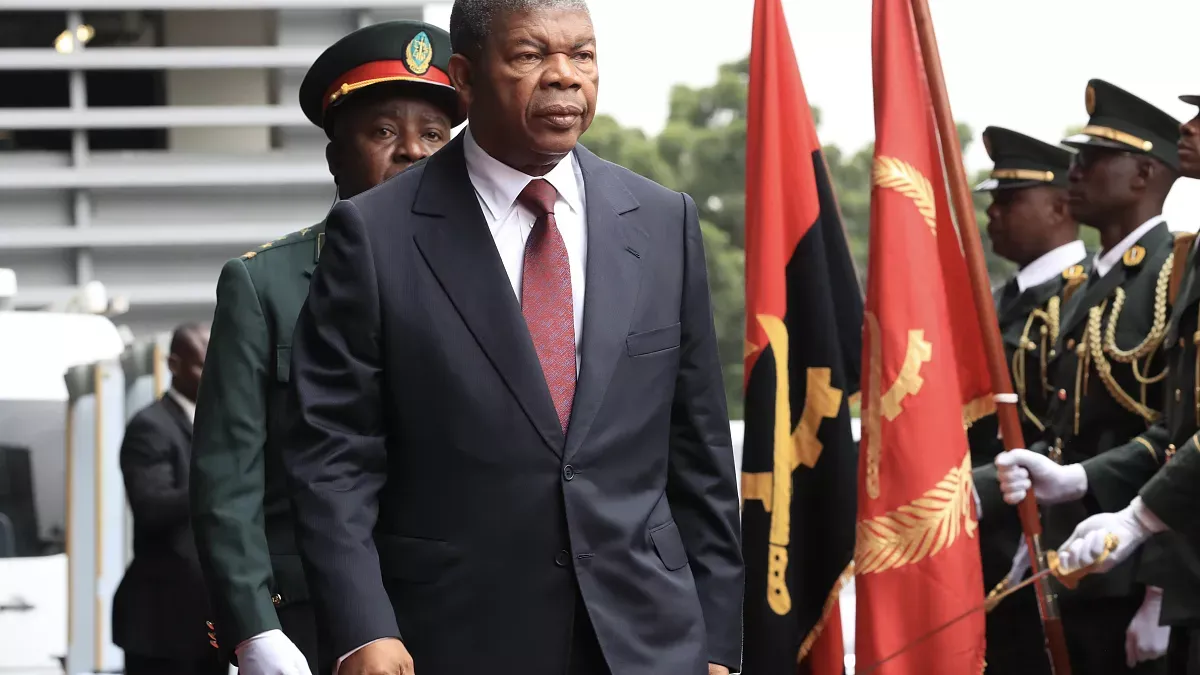
“How can a country leading the AU behave in such an undemocratic manner?” a South African delegate questioned. The sentiment was echoed by various political observers, who accused Angola’s ruling government of attempting to isolate opposition groups by preventing them from engaging in international political discourse. Others noted that this was not the first time African leaders had used travel restrictions as a political weapon to control dissent.
The event also exposed a deeper issue. The ease with which governments in Africa can manipulate border controls to suppress opposition movements is alarming. While some countries openly jail or intimidate political opponents, others employ more discreet tactics such as denying travel permits or refusing entry to disrupt opposition activities without drawing too much attention. This incident was a stark reminder of how fragile democracy remains in many parts of Africa.
As global attention turns to Angola’s actions, mounting pressure is being placed on the government to provide an explanation for its decision. Yet, as of now, Angolan authorities have remained silent. Their reluctance to issue a statement further fuels suspicions that this was a calculated move to block political discourse rather than a simple administrative oversight.
Several African opposition parties, as well as international organizations, are calling for accountability. Some have urged the African Union to intervene, arguing that Angola’s actions set a dangerous precedent for other governments looking to suppress political dissent. Others insist that the detained leaders must be released immediately and that those responsible for their detention should be held to account.
At the heart of this controversy lies a larger question. Is Africa truly committed to democracy, or is it merely a concept that governments manipulate to suit their agendas? The answer remains unclear, but one thing is certain. This incident will not be forgotten anytime soon. The world is watching, and Angola’s next move could determine whether Africa continues to embrace democratic values or regresses into a cycle of political suppression.





0 comments