
Your Read is on the Way
Every Story Matters
Every Story Matters
The Hydropower Boom in Africa: A Green Energy Revolution Africa is tapping into its immense hydropower potential, ushering in an era of renewable energy. With monumental projects like Ethiopia’s Grand Ethiopian Renaissance Dam (GERD) and the Inga Dams in the Democratic Republic of Congo, the continent is gearing up to address its energy demands sustainably while driving economic growth.
Northern Kenya is a region rich in resources, cultural diversity, and strategic trade potential, yet it remains underutilized in the national development agenda.

Can AI Help cure HIV AIDS in 2025

Why Ruiru is Almost Dominating Thika in 2025

Mathare Exposed! Discover Mathare-Nairobi through an immersive ground and aerial Tour- HD

Bullet Bras Evolution || Where did Bullet Bras go to?
Tanzania has announced plans to introduce a new levy on international air travel that will directly affect all foreign passengers. The decision, which comes under President Samia Suluhu’s administration, is aimed at strengthening the country’s border security systems while also addressing financial sustainability in aviation regulation.
The move, however, has sparked debate among airline operators and foreign nationals who frequently travel in and out of Tanzania.
The Tanzania Civil Aviation Authority (TCAA) confirmed that the new levy will apply from November 1, 2025. Passengers will be charged $45 (KSh 5,814) for a one-way ticket and $90 (KSh 11,628) for a return ticket. The levy will be incorporated into air ticket charges and collected at the point of sale by airlines.
Importantly, children under the age of two will be exempted from the levy. Additionally, in the event of a cancelled trip or if the passenger does not travel, the full amount of the levy will be refunded.
TCAA explained that the levy was designed to fund the installation and operation of Advanced Passenger Information (API) and Electronic Border Management Control (eBMC) systems. These security systems will transmit passenger details to the Tanzanian government prior to flight departure, allowing authorities to determine whether an individual should be permitted to enter or leave the country.
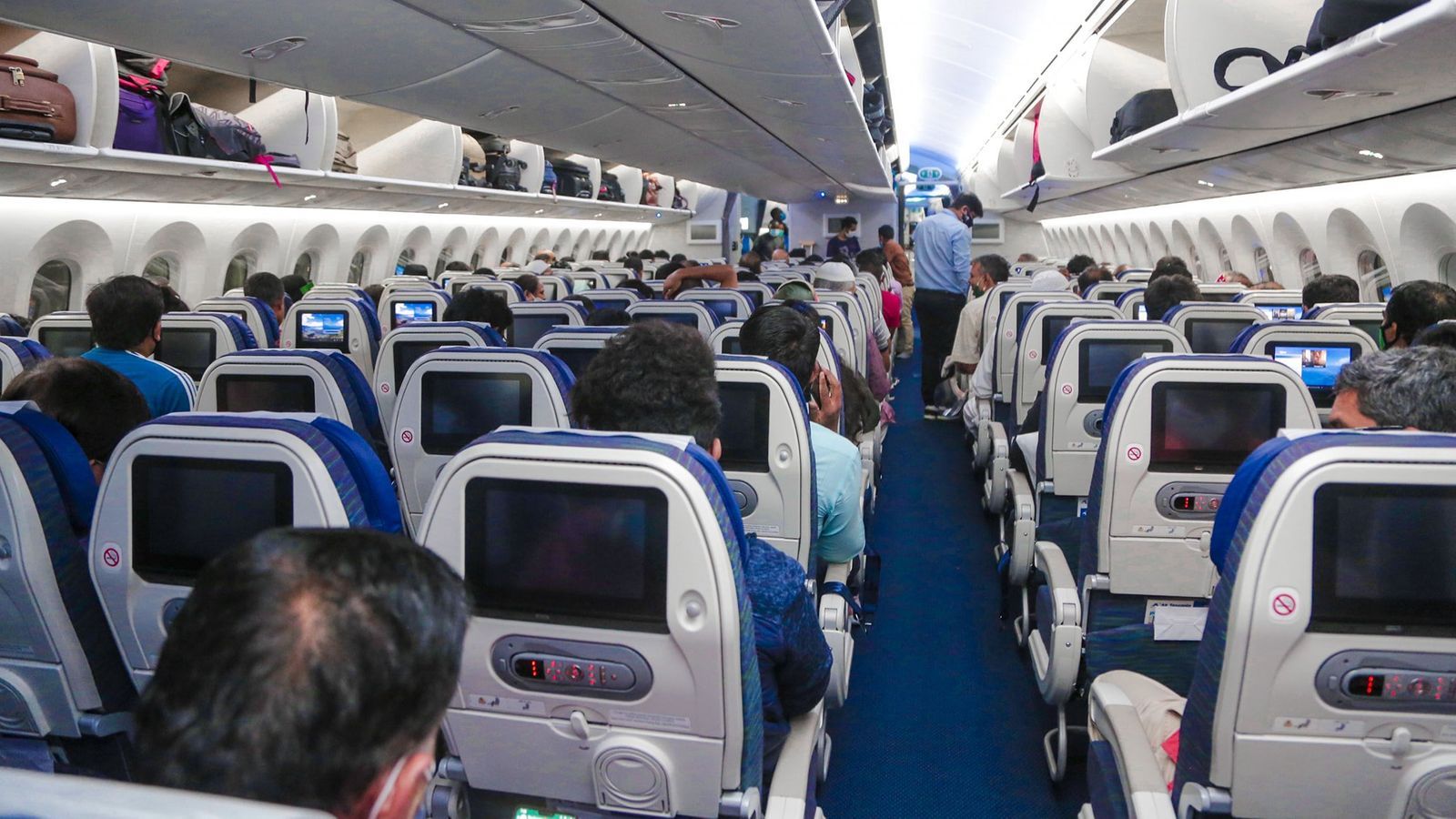
Officials argued that relying solely on government financing would not be sustainable for such a large project. Therefore, the new levy will ensure a steady flow of resources to support the advanced vetting systems.
While the government has defended the levy as necessary for national security and border control, airline operators have expressed concern. Many industry players argue that the aviation sector in Africa is already heavily burdened with taxes and levies, and this additional cost could discourage travel, increase ticket prices, and slow down tourism growth.
The travel levy follows another controversial policy by President Suluhu’s administration. Recently, Tanzania banned foreign nationals from participating in 15 types of small and medium-scale businesses, citing the need to protect local entrepreneurs. These banned activities include mobile money transfers, mobile phone repair, salon operations (outside hotels or tourism facilities), retail trade, and home or office cleaning services.
The Ministry of Industry and Trade defended the move as a way to shield Tanzanians from foreign competition and curb rising unemployment. However, critics have raised concerns that such restrictions, combined with the new air travel levy, could make Tanzania less attractive to investors and foreign visitors.
The introduction of the international air travel levy marks a significant policy shift by Tanzania’s government. While the move is presented as a strategic investment in border security and passenger vetting, it raises concerns about its impact on travel costs, tourism, and the broader aviation sector.
As Tanzania balances national security needs with economic considerations, the effectiveness and reception of this new levy will be closely monitored both domestically and internationally.






0 comments