
Your Read is on the Way
Every Story Matters
Every Story Matters
The Hydropower Boom in Africa: A Green Energy Revolution Africa is tapping into its immense hydropower potential, ushering in an era of renewable energy. With monumental projects like Ethiopia’s Grand Ethiopian Renaissance Dam (GERD) and the Inga Dams in the Democratic Republic of Congo, the continent is gearing up to address its energy demands sustainably while driving economic growth.
Northern Kenya is a region rich in resources, cultural diversity, and strategic trade potential, yet it remains underutilized in the national development agenda.

Can AI Help cure HIV AIDS in 2025

Why Ruiru is Almost Dominating Thika in 2025

Mathare Exposed! Discover Mathare-Nairobi through an immersive ground and aerial Tour- HD

Bullet Bras Evolution || Where did Bullet Bras go to?
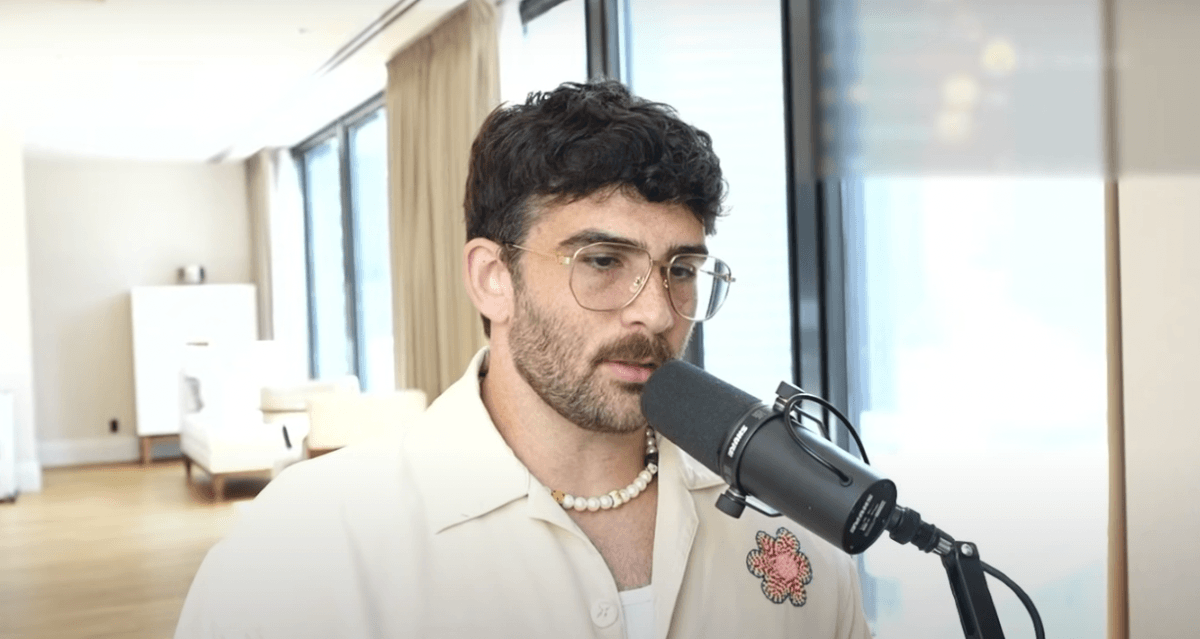
Hasan Piker wasn’t carrying drugs, weapons, or undeclared goods. What he did bring home from France was a digital footprint of sharp political commentary, a track record of challenging U.S. policy, and an audience of millions who tune in precisely because he doesn’t hold back. That’s why he says he was pulled aside at Chicago’s O’Hare airport—not because of who he is, but because of what he says.
Upon landing in Chicago, Piker—a prominent progressive streamer known for his outspoken views on Palestine, Israel, and U.S. foreign policy—was immediately stopped by Customs and Border Protection. He wasn’t just asked about his travels. According to him, the agents steered the conversation toward his public statements, his social media activity, and even his past bans on Twitch.
He claims the officials brought up his commentary on Gaza, Donald Trump, Houthi rebels, Hamas, and the Israeli government. None of that, he says, was coincidental. “They knew exactly who I was,” he said in a follow-up stream. “They weren’t fishing for smuggled wine or cheese. They were fishing for ideology.”
Piker believes this wasn’t about national security—it was about political pressure. He was targeted, he claims, because his views conflict with the narrative the U.S. government is trying to maintain, especially in the midst of growing global criticism over Israel’s actions in Gaza.
This comes at a time when other pro-Palestinian voices—activist students, academics, even journalists—have faced increased scrutiny at airports, including detainment and deportation. Though unrelated legally, these cases paint a pattern: public criticism of U.S. foreign allies, particularly Israel, may now come with real-life consequences.
Officials pushed back fast. A CBP spokesperson called the inspection “routine,” while DHS adviser Tricia McLaughlin accused Piker of “lying for likes.” She insisted the same inspection “could’ve happened to anyone.”
But critics aren’t buying that. They argue that when the line of questioning drifts into political belief rather than travel logistics, it’s no longer routine—it’s profiling. And when it targets a figure as visible as Piker, it sends a message to every politically active young person with a phone and a following.
This isn’t just about Piker’s ego or his internet fame. It’s about whether U.S. authorities are informally surveilling political dissent at international borders—especially from citizens, not just foreign nationals. Pro-Palestinian students like Mahmoud Khalil and Rümeysa Öztürk were recently held at airports for hours before being denied entry. Their critics call them radicals; their defenders call them silenced.
Piker connects the dots. “They’re building a culture of intimidation,” he said. “Make enough noise, and they’ll let you know they’re watching.”
In the digital age, influence is power. And power, even in meme form, draws attention from those who fear what it might spark. Piker, with over six million followers across platforms, is no longer just a loud guy on Twitch—he’s become a political player. That may explain why his name rang bells at customs. And it may be why he was asked questions with nothing to do with what was in his suitcase.





0 comments