
Your Read is on the Way
Every Story Matters
Every Story Matters
The Hydropower Boom in Africa: A Green Energy Revolution Africa is tapping into its immense hydropower potential, ushering in an era of renewable energy. With monumental projects like Ethiopia’s Grand Ethiopian Renaissance Dam (GERD) and the Inga Dams in the Democratic Republic of Congo, the continent is gearing up to address its energy demands sustainably while driving economic growth.
Northern Kenya is a region rich in resources, cultural diversity, and strategic trade potential, yet it remains underutilized in the national development agenda.

Can AI Help cure HIV AIDS in 2025

Why Ruiru is Almost Dominating Thika in 2025

Mathare Exposed! Discover Mathare-Nairobi through an immersive ground and aerial Tour- HD

Bullet Bras Evolution || Where did Bullet Bras go to?
As Israeli fighter jets roared through the skies and unleashed precision missiles on Iranian territory, the world once again watched the Middle East spiral toward dangerous unpredictability. But this was not just a military maneuver — it was a symbolic rupture, an act that echoed far deeper than mere geopolitics. This was Israel striking at a land where thousands of Jewish people still live, quietly and cautiously, clinging to a heritage forged through centuries of exile and endurance.
Iran, though officially hostile toward Israel’s existence, is paradoxically home to one of the oldest Jewish communities outside Israel. These families — rooted in ancient Persian soil — now find themselves staring into the heart of a firestorm ignited by two states locked in ideological warfare. The latest strike was not merely steel on concrete; it was memory colliding with present danger.
The Iranian Jewish community is one of the oldest in the world, tracing its presence back over 2,500 years. Despite enduring persecution, revolution, and theological tension, they have remained — an echo of coexistence in a land of rising hostility.
Today, only a small fraction of that once-thriving population remains. Their lives have been marked by quiet resilience, walking a tightrope between national loyalty and ancestral connection to Israel. With every airstrike, that balance shatters further. They are now more vulnerable than ever, caught between a government that opposes Israel vehemently and a global Jewish identity they still carry in their hearts.
Israel’s justification for the strike stemmed from increasing intelligence that Iranian proxies were preparing attacks against Israeli targets — both domestic and abroad. The airstrikes targeted supposed military installations, weapons depots, and strategic communication hubs.
Yet for many observers, the timing and depth of the offensive signal more than military intent. This was a message: that Israel will no longer tolerate what it considers creeping threats in its backyard. And that message, while clear to the Iranian regime, was also felt viscerally by Iranian Jews — who now bear the unintended burden of Israeli retaliation.
Iranian leaders responded swiftly and furiously, condemning what they called a blatant act of aggression and a violation of international norms. Calls for retaliation flooded government channels. Mobilization rhetoric surged, with political hardliners demanding severe consequences for Israel’s actions.
And amid this rage, the small Jewish community in Iran grows quieter. Their synagogues tighten security. Their movements become more cautious. Their public speech more subdued. The strike has not only escalated military tensions; it has placed a civilian religious minority on edge.
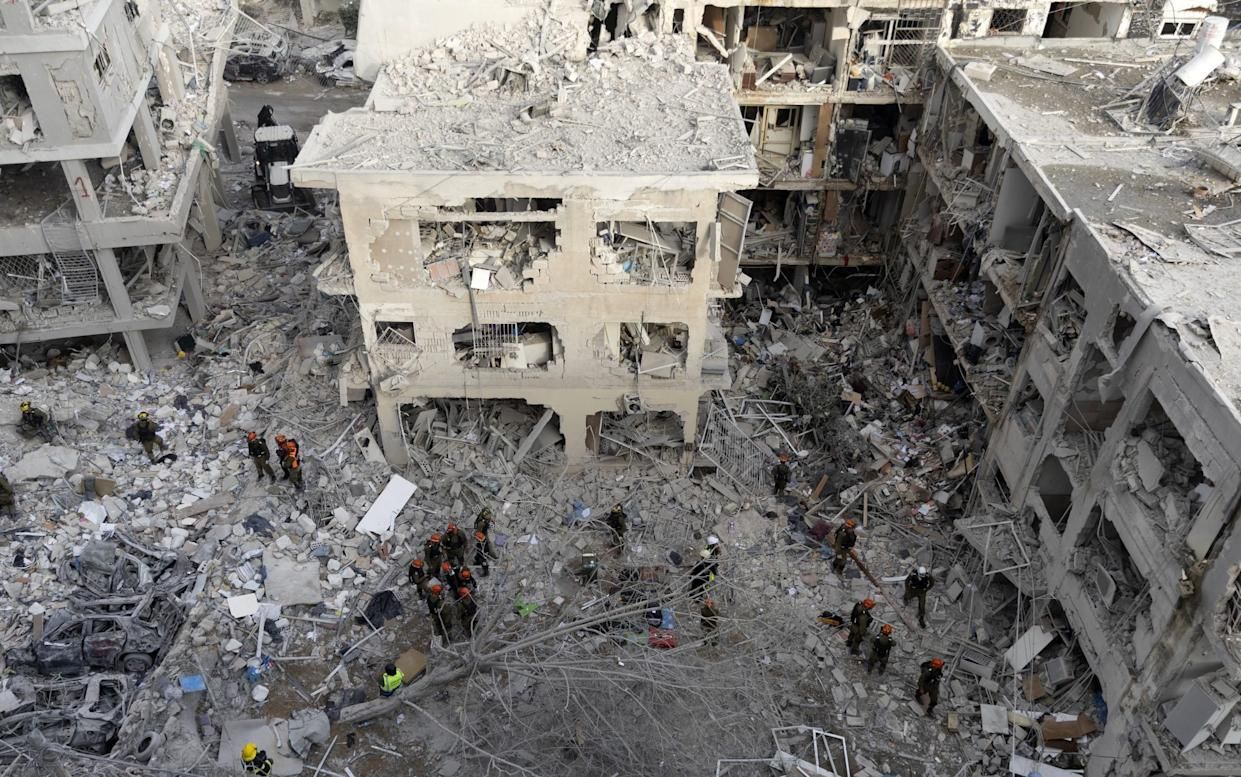
This attack adds another match to a region already drenched in fuel. Proxy wars, disputed borders, nuclear suspicion, and sectarian divides — all these factors now swirl around a new nucleus of conflict. Israel’s decision to strike is a gamble: to deter future threats by initiating a dangerous present. But in doing so, it also risks collapsing the already fraying threads of regional dialogue and civilian peace.
Moreover, Iran’s alliances — from Lebanon’s Hezbollah to Syria’s remaining loyalists — may now be activated in a cascade of retaliations. The battlefield may no longer be limited to Israeli and Iranian soil; it could stretch across the region like wildfire.
For the Jewish community in Iran, this war is not abstract. It is intimate, unsettling, and potentially existential. Their heritage, interwoven with Persian history, now exists under the shadow of bombs from a state many of them revere religiously but are politically detached from.
The world sees missiles. They feel the tremor in their own homes. The question they now wrestle with is simple but terrifying: How long before their presence becomes a target — not by accident, but by association?
This moment is more than another act in a long-running geopolitical drama. It is a deep scar cut through identity, faith, and place. Israel, in defending itself, has set off alarms not just in Tehran’s bunkers, but in the synagogues of Shiraz, Isfahan, and Tehran itself.
The duality of Jewish belonging — to a faith, to a people, and to geography — is now being tested. And unless diplomacy dares to rise above firepower, “Tulia Tubonge” won’t be enough. What’s needed now is bold restraint, clear vision, and international courage to speak before the next bomb speaks louder.





0 comments