
Your Read is on the Way
Every Story Matters
Every Story Matters
The Hydropower Boom in Africa: A Green Energy Revolution Africa is tapping into its immense hydropower potential, ushering in an era of renewable energy. With monumental projects like Ethiopia’s Grand Ethiopian Renaissance Dam (GERD) and the Inga Dams in the Democratic Republic of Congo, the continent is gearing up to address its energy demands sustainably while driving economic growth.
Northern Kenya is a region rich in resources, cultural diversity, and strategic trade potential, yet it remains underutilized in the national development agenda.

Can AI Help cure HIV AIDS in 2025

Why Ruiru is Almost Dominating Thika in 2025

Mathare Exposed! Discover Mathare-Nairobi through an immersive ground and aerial Tour- HD

Bullet Bras Evolution || Where did Bullet Bras go to?
Trump’s visit to Saudi Arabia was nothing short of monumental in terms of economic and defense partnerships. The centerpiece of the trip was a $142 billion defense contract, one of the largest such agreements between the two countries. This deal not only strengthens Saudi Arabia’s military capabilities but also guarantees significant business for American defense manufacturers, helping sustain jobs and innovation in the U.S. But beyond the defense contract, Saudi Arabia made an unprecedented commitment to invest over $600 billion in American industries, targeting crucial sectors like infrastructure, artificial intelligence, and clean energy technologies.
These investments could fuel economic growth, create new jobs, and accelerate technological advancements across the country. However, while the deal has been widely celebrated for its potential economic benefits, some experts caution about the implications of deepening ties with Saudi Arabia, a country that continues to face international criticism for human rights issues and its role in regional conflicts. This partnership, therefore, presents both vast opportunities and complex challenges for U.S. foreign policy.
Perhaps the most unexpected development of the trip was Trump’s groundbreaking meeting with Syria’s newly elected president, Ahmed al-Sharaa. This encounter marked the first official contact between the United States and Syria in over 25 years, signaling a potential shift in longstanding diplomatic stances. Trump announced the lifting of U.S. sanctions that have severely restricted Syria’s economy and international engagement for decades. The decision aims to encourage political and economic reforms in Syria and foster greater regional stability.
This move is being interpreted by some as a pragmatic step toward ending years of hostility and isolation, potentially opening the door for Syria to rebuild and reintegrate into the international community. However, the announcement has not been without controversy. Critics warn that lifting sanctions too quickly could embolden authoritarian elements within the Syrian government, undermining human rights and democratic progress. This delicate balance between engagement and caution will likely shape future U.S. policy in the region.
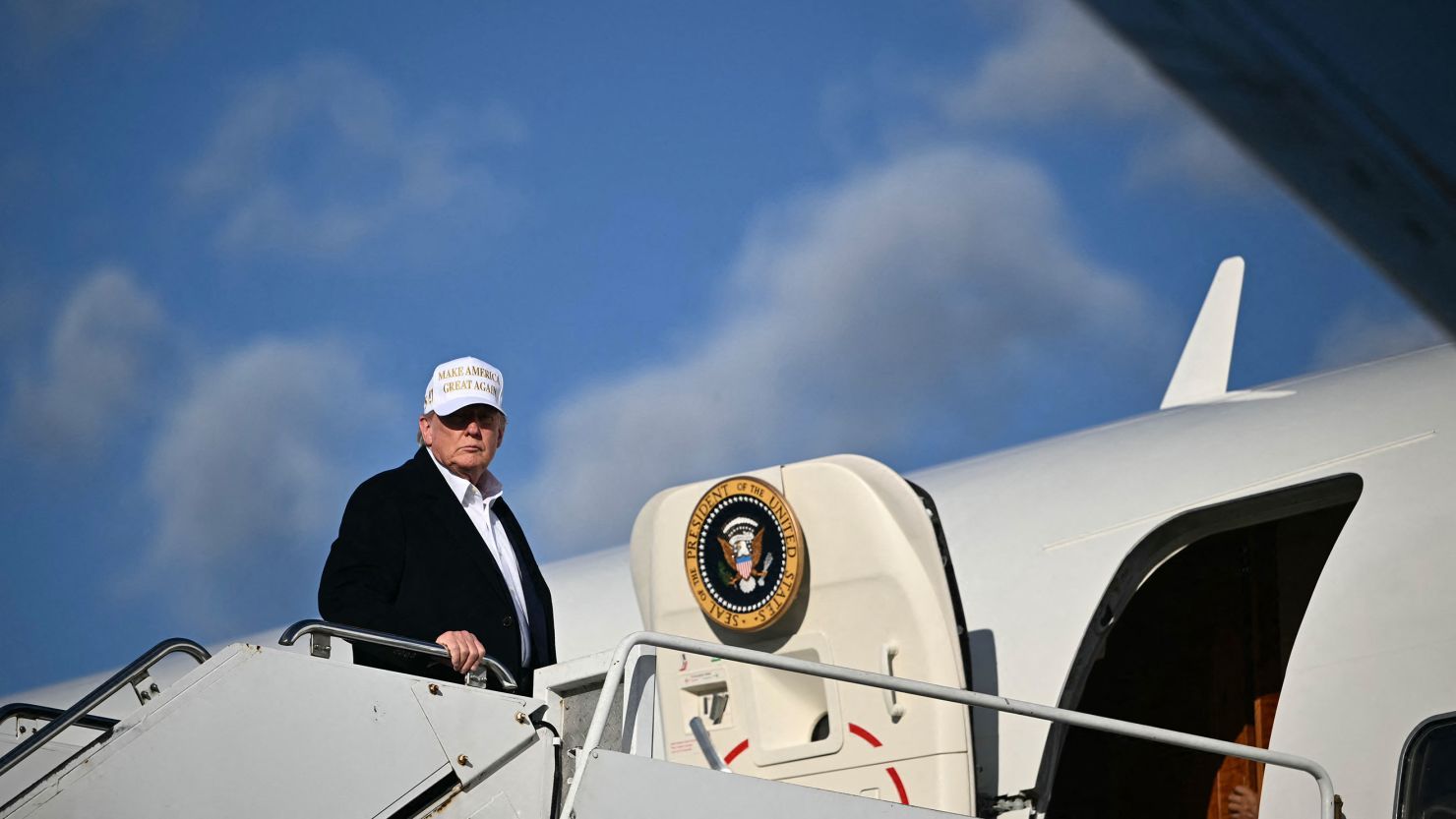
During his stop in Qatar, Trump finalized several significant business and defense contracts, including major deals involving American aerospace giants like Boeing and Lockheed Martin. These agreements are expected to strengthen U.S.-Qatar relations and bolster defense cooperation in a strategically important part of the Middle East. However, the most talked-about aspect of Trump’s visit to Qatar was his acceptance of a $400 million private jet gifted to him by Qatari officials.
This unprecedented gift has sparked a wave of criticism and ethical concerns in Washington, as foreign gifts to political figures often raise questions about influence and conflicts of interest. While Trump’s team has defended the acceptance as legal and customary, watchdog groups and lawmakers have called for greater transparency and scrutiny. This incident highlights the broader debate over how foreign gifts and business dealings intersect with diplomacy and political accountability.
One of the most surprising elements of Trump’s Middle East tour was the absence of Israel from his itinerary. Israel has historically been a cornerstone of U.S. alliances in the region, making its omission all the more conspicuous. Political analysts speculate that this decision reflects a strategic shift, potentially signaling Trump’s intention to recalibrate American alliances by placing greater emphasis on Gulf states like Saudi Arabia and Qatar.
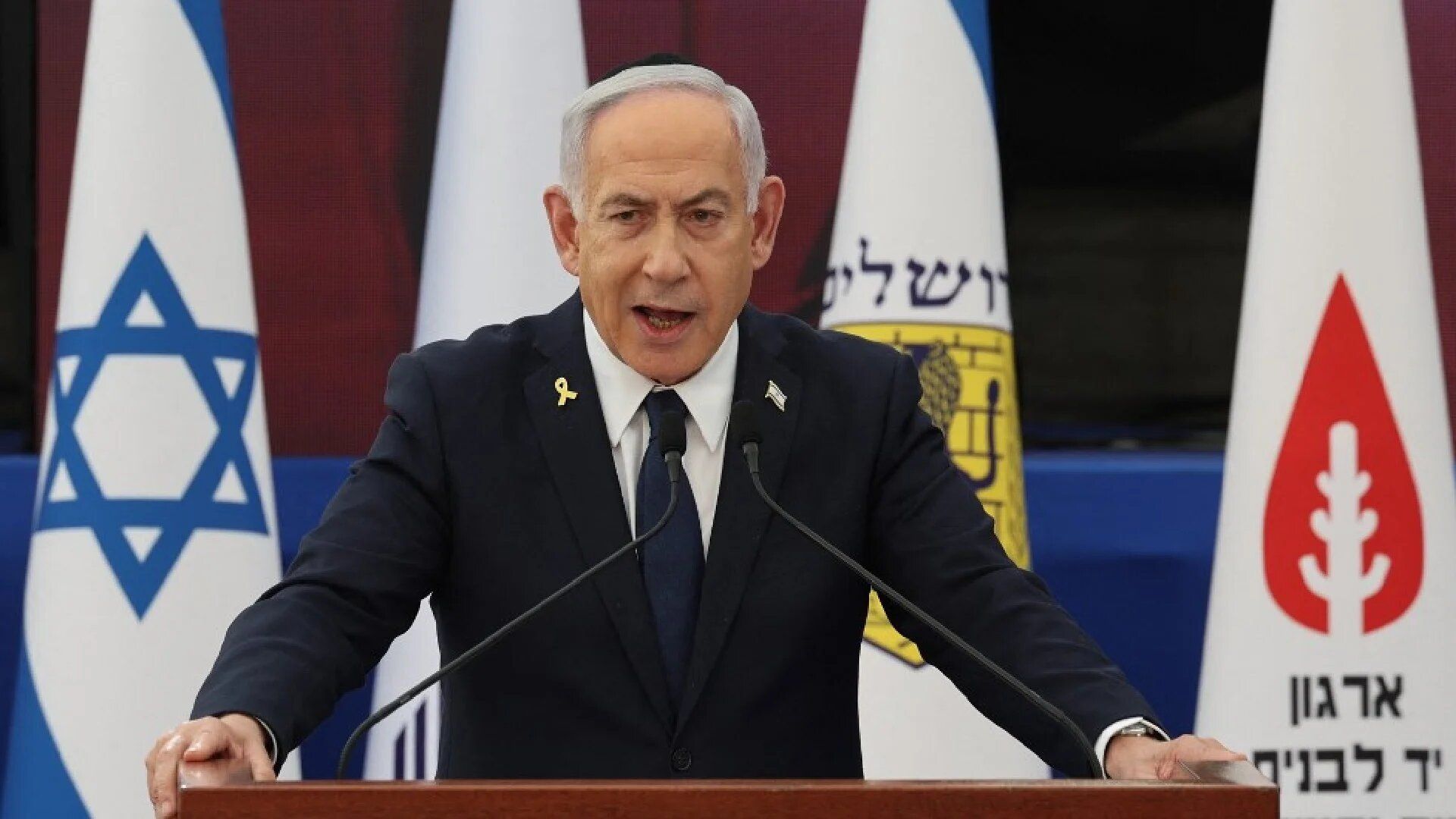
Some suggest that this could be an attempt to distance himself from Israeli Prime Minister Benjamin Netanyahu’s government, which has faced criticism for its policies and political controversies. The absence of a visit or direct engagement with Israeli leaders has sparked speculation about the future direction of U.S.-Israel relations and raised questions about how this might affect peace negotiations and regional stability. For many observers, this omission underscores a broader transformation in Middle East diplomacy under Trump’s renewed influence.
Back in the United States, Trump’s Middle East trip elicited a wide range of responses, reflecting the polarized nature of American politics. Supporters hailed the trip as a major success, emphasizing the enormous economic benefits secured through multi-billion-dollar contracts and the diplomatic breakthroughs achieved without deploying military forces. They argue that Trump’s approach reinvigorates America’s global standing and opens new doors for peace and prosperity.
On the other hand, critics have voiced serious concerns about the ethical implications of accepting lavish gifts and the potential for foreign influence. Many have questioned whether the trip was motivated by personal financial interests rather than purely diplomatic goals. Moreover, some worry that Trump’s apparent pivot away from Israel could destabilize long-standing alliances and complicate efforts to maintain regional security. As debates continue, it is clear that Trump’s Middle East strategy will remain a contentious and closely watched issue in American politics.





0 comments