
Your Read is on the Way
Every Story Matters
Every Story Matters
The Hydropower Boom in Africa: A Green Energy Revolution Africa is tapping into its immense hydropower potential, ushering in an era of renewable energy. With monumental projects like Ethiopia’s Grand Ethiopian Renaissance Dam (GERD) and the Inga Dams in the Democratic Republic of Congo, the continent is gearing up to address its energy demands sustainably while driving economic growth.
Northern Kenya is a region rich in resources, cultural diversity, and strategic trade potential, yet it remains underutilized in the national development agenda.

Can AI Help cure HIV AIDS in 2025

Why Ruiru is Almost Dominating Thika in 2025

Mathare Exposed! Discover Mathare-Nairobi through an immersive ground and aerial Tour- HD

Bullet Bras Evolution || Where did Bullet Bras go to?
They share language, lineage, coastline, and long memories. Yet when Somaliland takes bold steps toward global visibility, Djibouti stiffens. The reaction is not sentimental; it is brutally practical. In a region where geography writes power, Djibouti understands that the neighbor next door is no longer the quiet cousin. Somaliland is behaving like a state that wants to be seen, and Djibouti is treating it like a state that needs to be contained.
View this video on YouTube too

Behind the polite communiqués sits a simpler truth: proximity creates rivalry faster than it creates solidarity.
Recognition Shockwaves and the Politics of Being Seen
The moment Somaliland began winning new external attention, the air changed. Formal gestures of recognition, diplomatic visits, and talk of deeper partnerships placed Hargeisa under a sharper global spotlight. What looked like celebration in Somaliland looked like disruption in Djibouti.
The unease isn’t abstract. Recognition threatens existing hierarchies. Djibouti built its status on being the region’s recognized hub—military bases, port access, and strategic partnerships. A neighbor suddenly flirting with similar status forces uncomfortable questions: who gets noticed, who gets funded, and who becomes essential?
Ports, Pride, and the Quiet Fear of Losing Monopoly
Strip away the speeches and follow the money. Djibouti’s lifeline is the port economy. For years, it has been the defining gatekeeper for Ethiopia and a key transit point for the wider Red Sea corridor. Somaliland’s Berbera is no longer a hypothetical rival; it is a working alternative with ambitions.
A successful Berbera redraws trade routes. Trade routes redraw alliances. Alliances redraw influence. That is what Djibouti dreads—not slogans, but spreadsheets.
So when aviation access is restricted, statements harden, and official warmth cools, those are not accidents. They are signals from a country noticing its monopoly being questioned.
Identity, Religion, and the Calculus of Appearances
There is also the politics of image. External partnerships pursued by Somaliland do not land softly in a region that measures symbolism as much as strategy. Djibouti reads the diplomatic shifts through a prism of domestic opinion, regional expectations, and alignment with larger blocs in the Horn of Africa and the Arab world.
Being seen as too accommodating to change carries political costs. Being seen as too silent carries them as well. Coldness, therefore, becomes a comfortable middle ground: firm enough to signal displeasure, cautious enough to avoid open rupture.
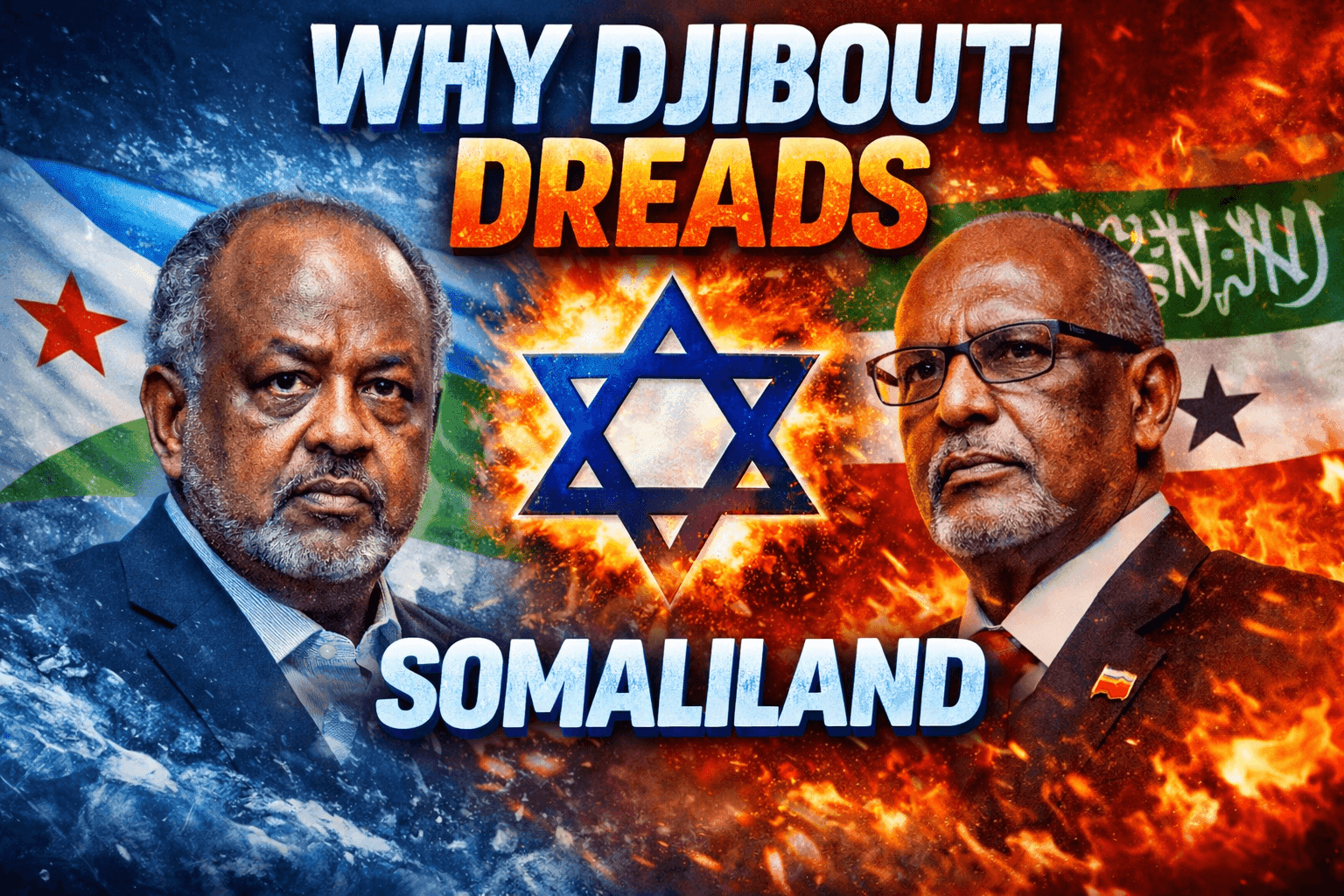
Two Presidents, Two Different Projects
Leadership style matters. Djibouti’s ruling elite prefers the predictable order that has long anchored its dominance in the region’s logistics economy. Somaliland’s leadership is running a different project—validation, recognition, and formal acceptance into the club of states.
One guards status. The other pursues it. That tension is personal, political, and inevitable.
Why This Chill Matters Beyond the Headlines
This is not a family quarrel. It is a contest over who sets the tone in one of the world’s most strategic waterways. The diplomatic frost carries real consequences: flight restrictions, port competition, shifting alliances, and the possibility that Ethiopia and other regional players diversify where they dock, trade, and negotiate.
Coldness becomes policy when fear and ambition meet.
View a related video:

Where the Story Goes Next
The Horn of Africa is entering a phase where old arrangements no longer feel permanent. The region’s map will not change overnight, but influence already is. Somaliland is acting like a state determined to be counted. Djibouti is acting like a state determined not to be eclipsed.
One wants recognition. The other fears what recognition will unleash.
And that is why closeness does not translate into comfort. Geography made them neighbors. History made them intertwined. But ambition made them rivals.




0 comments