
Your Read is on the Way
Every Story Matters
Every Story Matters
The Hydropower Boom in Africa: A Green Energy Revolution Africa is tapping into its immense hydropower potential, ushering in an era of renewable energy. With monumental projects like Ethiopia’s Grand Ethiopian Renaissance Dam (GERD) and the Inga Dams in the Democratic Republic of Congo, the continent is gearing up to address its energy demands sustainably while driving economic growth.
Northern Kenya is a region rich in resources, cultural diversity, and strategic trade potential, yet it remains underutilized in the national development agenda.
Can AI Help cure HIV AIDS in 2025

Why Ruiru is Almost Dominating Thika in 2025
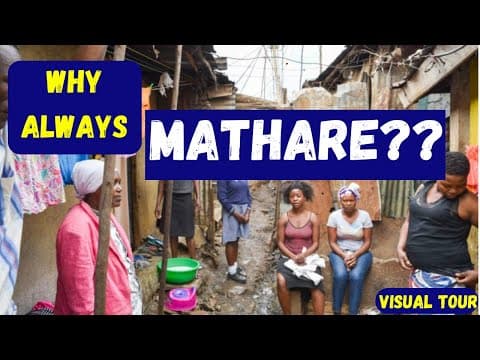
Mathare Exposed! Discover Mathare-Nairobi through an immersive ground and aerial Tour- HD

Bullet Bras Evolution || Where did Bullet Bras go to?
For the first time in the history of the Roman Catholic Church, the white smoke over St. Peter’s Basilica revealed not a European cardinal, nor a Latin American reformer, but an American-born priest: Cardinal Robert Francis Prevost. The former Prefect of the Dicastery for Bishops has now taken the name Pope Leo XIV, entering the pages of history not simply as the 267th pope—but as a symbol of a Church increasingly shaped by the global South, transnational ministry, and spiritual leadership rooted outside the walls of the Vatican.
This moment marks a tectonic shift in how the papacy is understood, not just geographically, but culturally. Gone is the image of a pontiff formed solely by Roman corridors and European conclaves. In Prevost, the Church has chosen a leader baptized in the language of the poor, educated in the logic of service, and ordained into a priesthood that took root not in opulent cathedrals but among dusty village roads in Peru.
Born on September 14, 1955, in the working-class neighborhoods of Chicago, Robert Francis Prevost was raised by parents who believed in public service and academic rigor. His father was a World War II Navy veteran and school official, while his mother was a librarian—both of whom instilled discipline, compassion, and a fierce sense of purpose in their children.
The city’s melting pot of cultures and creeds exposed young Robert to the very diversity the Catholic Church now seeks to embrace. He would go on to attend seminary with the Order of St. Augustine, whose intellectual depth and focus on community life left a permanent imprint on his formation. He earned a mathematics degree before diving fully into religious studies, eventually obtaining a Master of Divinity. But even in these early academic pursuits, his vocation was not aimed toward power. It was aimed toward presence—toward being with people, especially those whose lives were far from comfort.
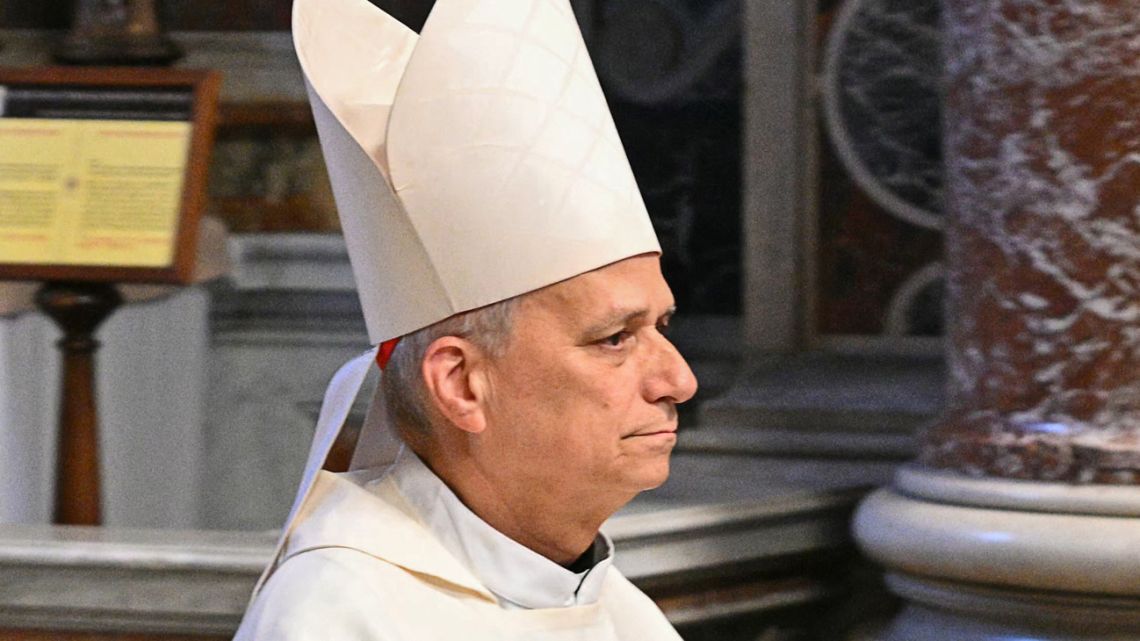
His ordination in 1982 marked the beginning of a priesthood that defied borders. By 1985, he had been assigned to Peru, a move that would alter both his life and the communities he served. While many clergy travel abroad, few immerse themselves as deeply as Prevost did. He became fluent in Spanish, embedded himself in the social and religious fabric of the Peruvian people, and took on leadership roles that extended from parish missions to diocesan governance. He didn’t arrive to impose; he arrived to understand.
In Chiclayo, he became not just a priest, but a friend to the poor, a teacher to seminarians, and a bridge between Rome and the realities of poverty-stricken Catholic life in Latin America. These years in Peru would later become a foundational argument for his elevation to bishop in 2015, and then, eventually, to cardinal.
While his pastoral heart was forged in South America, Prevost’s administrative muscle was built through his stewardship of the Augustinian Order. Twice elected as Prior General, he led the order through two six-year terms, governing with calm but decisive authority across 50 countries. He became known as a unifier—someone who could balance doctrinal tradition with localized pastoral needs, often navigating internal conflicts with quiet diplomacy.
His ability to maintain unity within diversity would become his trademark, making him one of the most respected religious leaders within Vatican circles. His return to Rome in 2023 as head of the Dicastery for Bishops was no mere promotion—it was a strategic placement. The Church needed someone who understood the theological weight of the episcopate but also the human cost of poor leadership. Prevost brought both insight and integrity, earning trust quickly.
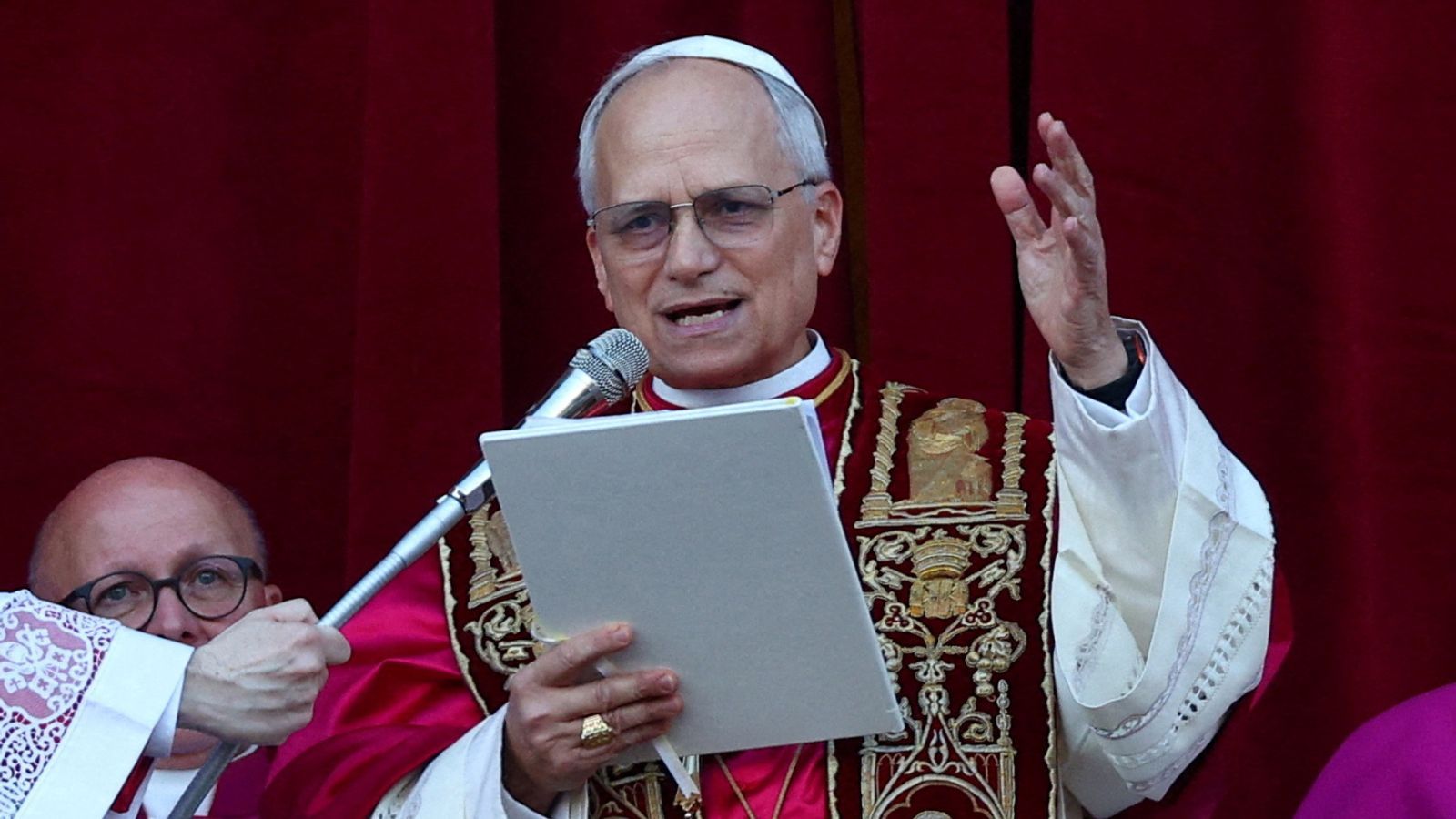
Following the death of Pope Francis in April 2025, speculation around the next pontiff circled many cardinals with long tenures and louder reputations. But when the doors of the Sistine Chapel closed and the ballots were cast, it became clear that Prevost’s blend of pastoral sensitivity, missionary background, and administrative capability offered the clearest path forward.
He was elected in fewer ballots than expected. His decision to adopt the name Leo XIV was not incidental—it signaled a return to strength, reform, and a historical arc that linked him to the bold papacies of the past. As he stepped onto the balcony to deliver his first blessing as pope, the world witnessed not just the beginning of a new pontificate, but a new archetype: the missionary pope, formed outside Rome, speaking the language of the margins, unafraid to lead a global Church into a more complex future.
In his inaugural message, Pope Leo XIV made it clear that his vision would not be defined by rigid theological wars or political alignment. Instead, he called for a Church that listens deeply, especially to the cries of the poor, the displaced, and the disillusioned. His priority? To foster a renewed culture of dialogue—between bishops and their people, between the Church and other faiths, and between moral clarity and pastoral compassion.
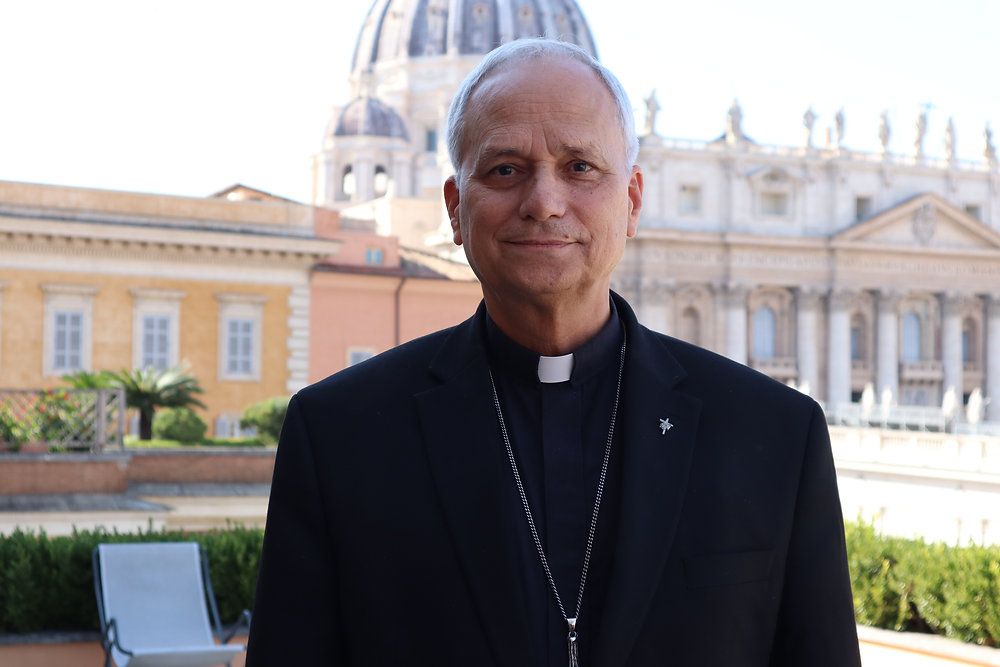
He has already signaled structural reforms, emphasizing transparency in governance and urging local churches to contextualize their pastoral strategies. But perhaps most notably, he has begun framing the Church as a bridge—one that must span divides, not deepen them. His papacy will likely redefine the center of Catholic gravity from a Eurocentric model to a truly global community of believers.
The rise of Pope Leo XIV is more than a personal milestone. It represents the culmination of a long-unfolding shift within the Catholic Church—one that recognizes the vibrancy of Catholicism in the Americas, Africa, and Asia. It acknowledges that the heart of the Church is beating loudly outside Rome, in barrios, townships, and favelas. By choosing a pope who has walked those roads, the conclave did more than break tradition; it embraced the future.
Leo XIV’s American upbringing, his Peruvian ministry, his global leadership, and his Vatican service have equipped him to lead not just with authority, but with authenticity. He may be the Bishop of Rome, but he walks as a pastor of the people—one who understands suffering, seeks justice, and believes deeply in the Church's power to heal.





0 comments