
Your Read is on the Way
Every Story Matters
Every Story Matters
The Hydropower Boom in Africa: A Green Energy Revolution Africa is tapping into its immense hydropower potential, ushering in an era of renewable energy. With monumental projects like Ethiopia’s Grand Ethiopian Renaissance Dam (GERD) and the Inga Dams in the Democratic Republic of Congo, the continent is gearing up to address its energy demands sustainably while driving economic growth.
Northern Kenya is a region rich in resources, cultural diversity, and strategic trade potential, yet it remains underutilized in the national development agenda.

Can AI Help cure HIV AIDS in 2025

Why Ruiru is Almost Dominating Thika in 2025

Mathare Exposed! Discover Mathare-Nairobi through an immersive ground and aerial Tour- HD

Bullet Bras Evolution || Where did Bullet Bras go to?
After a long diplomatic freeze marked by tension, public silence, and a few cryptic signals, the United States and Iran have taken cautious steps back into dialogue. The location? Muscat, Oman—a familiar setting for discreet high-stakes discussions. While headlines are quiet and press conferences absent, the gravity of these talks is unmistakable. This isn’t a formal summit with banners and banners of promises. It’s a test run, a recalibration of intent and influence between two longtime rivals whose history is a tangle of suspicion, short-lived breakthroughs, and near-misses.
The return to conversation has not come out of nowhere. Iran’s leadership faces mounting pressure at home: an economy spiraling under sanctions, growing civil unrest, and a widening generation gap between the clerical elite and a restless population. The United States, for its part, has found itself stuck in the geopolitical mud—trying to reassure allies, keep oil markets steady, and prevent the Middle East from descending into a wider war sparked by regional proxies and shadow conflicts. With both parties under pressure, dialogue—however fragile—has once again become a strategic necessity.
Iran has declared it wants a “fair agreement,” a phrase that sounds cooperative but conceals layers of hardened negotiation strategy. For Tehran, fairness includes the right to enrich uranium for peaceful purposes, the lifting of punishing economic sanctions, and most importantly, guarantees that no future American administration will suddenly walk away from any deal reached. The bitter memory of the Trump-era withdrawal from the 2015 nuclear deal still haunts the Iranian negotiating team. This time, they’re insisting on safeguards that would outlive the political whims of Washington.
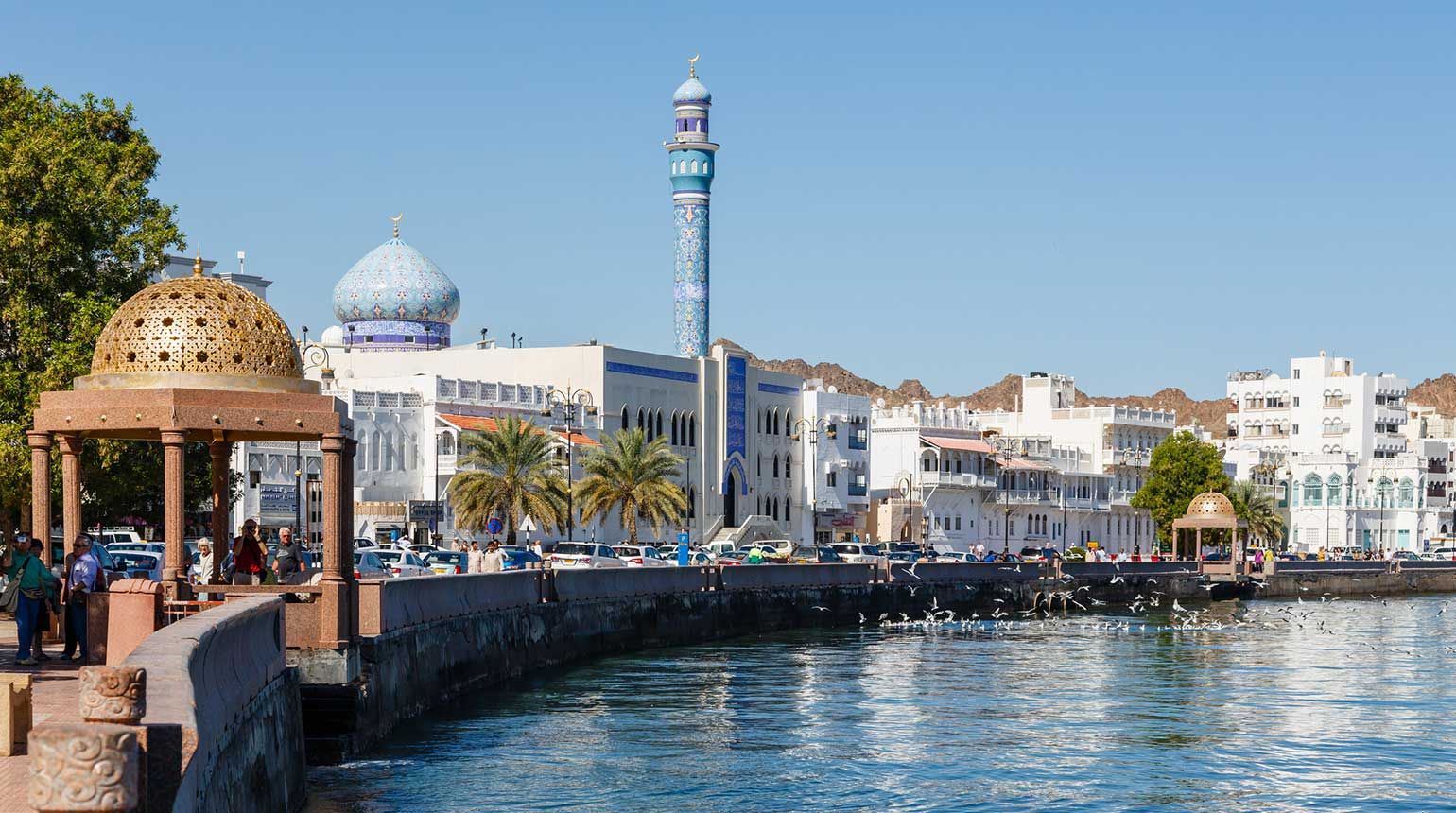
From the U.S. perspective, fairness begins with verifiability. Any deal must include stringent checks on Iran’s nuclear program, clear restrictions on uranium enrichment, and a comprehensive inspection framework to prevent covert weapons development. Additionally, Washington is increasingly concerned about Iran’s influence in the region through armed proxies in Lebanon, Yemen, Iraq, and Syria. So while the public headline might be about nuclear energy, the subtext is about power projection and the limits of influence.
These differing interpretations of what’s fair expose a fundamental gap in trust. Iran views the U.S. as unreliable and hypocritical; the U.S. views Iran as evasive and aggressive. Bridging this divide will require more than technical negotiations—it will require a shift in the underlying narratives each side tells about the other.
The decision to restart talks at this moment is anything but random. The Middle East is a geopolitical minefield. Israel and Iran continue to exchange threats and, increasingly, actual blows in the form of targeted strikes and sabotage. Hezbollah’s posturing on the Lebanese border, Houthi actions in the Red Sea, and U.S. military presence in Iraq and Syria all form a combustible web of tensions that could spiral with minimal provocation.

Iran is also feeling the heat economically. Its oil exports remain heavily restricted, its banking system is cut off from the global market, and internal unrest is threatening to unravel the social contract that has kept the regime intact. Even hardliners understand that survival may depend not on posturing but on tangible relief. That relief won’t come without concessions.
Meanwhile, the Biden administration is juggling foreign policy priorities with domestic political sensitivities. It cannot afford to look weak on Iran in an election year, but it also cannot afford a regional war or a sudden Iranian nuclear breakout. The quiet nature of the Oman talks reflects that political tightrope. A deal would be welcome, but a failure would need to be containable.
Oman has historically played the role of quiet mediator in Middle East diplomacy. Its neutral stance and longstanding relationships with both Washington and Tehran make it an ideal stage for low-profile but meaningful discussions. Unlike louder regional powers, Oman doesn’t seek the spotlight. Instead, it offers discretion—a quality both parties desperately need if they are to negotiate with flexibility.
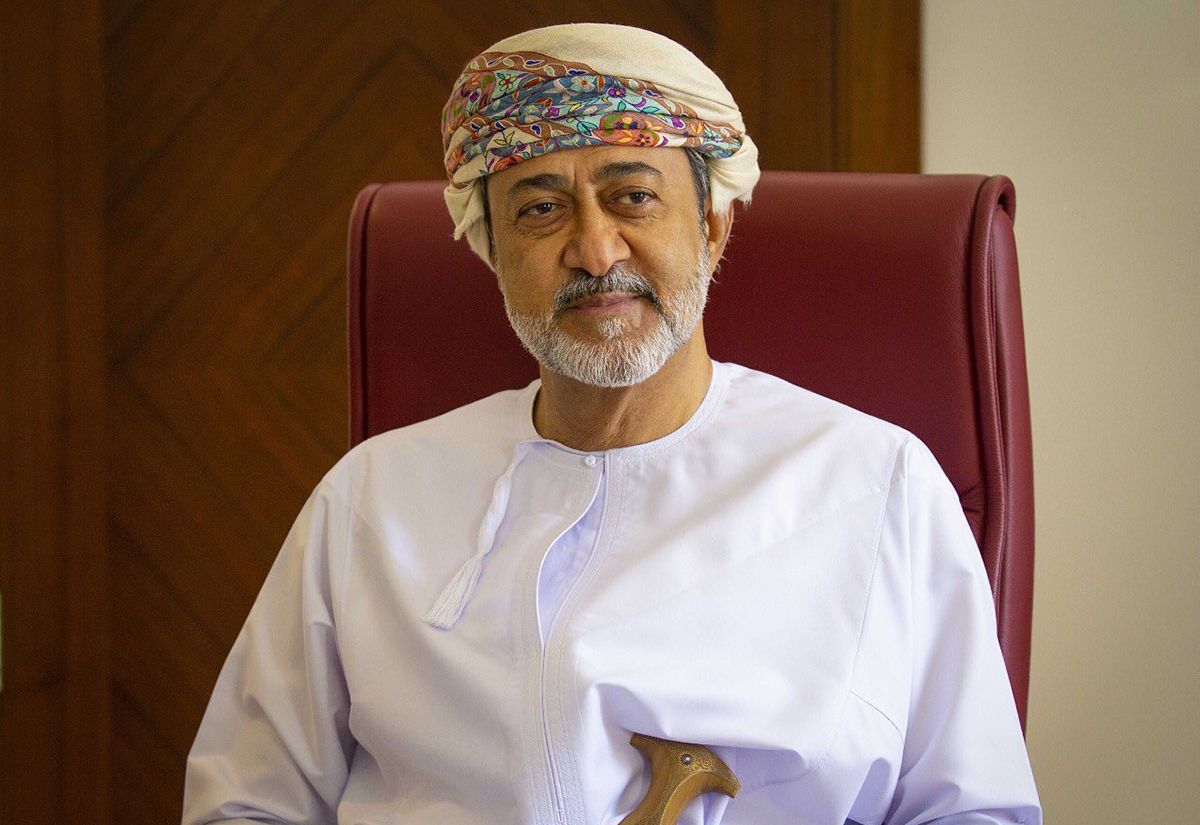
This round of talks isn’t about grand declarations. It’s about finding a tone, a rhythm, and a new vocabulary for a diplomatic relationship that’s been defined more by breakdowns than breakthroughs. Whether this conversation leads to anything tangible is uncertain. But its very existence suggests that both parties are searching for an off-ramp before tensions escalate beyond repair.
This isn't merely a diplomatic ritual. What happens—or fails to happen—in Muscat could ripple through every corner of the Middle East. If Iran continues enriching uranium beyond civilian levels, it could prompt military action from Israel or escalate covert attacks. If talks succeed, it could reduce tensions, stabilize oil markets, and restore at least a sliver of global nonproliferation confidence.
Yet trust remains the biggest barrier. Iran wants to secure its national interests without appearing weak. The U.S. wants to neutralize a threat without looking like it made concessions. Somewhere in that tightrope lies a possible understanding—but it will take more than silent rooms in Muscat to make it last.






0 comments