
Your Read is on the Way
Every Story Matters
Every Story Matters
The Hydropower Boom in Africa: A Green Energy Revolution Africa is tapping into its immense hydropower potential, ushering in an era of renewable energy. With monumental projects like Ethiopia’s Grand Ethiopian Renaissance Dam (GERD) and the Inga Dams in the Democratic Republic of Congo, the continent is gearing up to address its energy demands sustainably while driving economic growth.
Northern Kenya is a region rich in resources, cultural diversity, and strategic trade potential, yet it remains underutilized in the national development agenda.

Can AI Help cure HIV AIDS in 2025

Why Ruiru is Almost Dominating Thika in 2025

Mathare Exposed! Discover Mathare-Nairobi through an immersive ground and aerial Tour- HD

Bullet Bras Evolution || Where did Bullet Bras go to?
The Democratic Republic of Congo (DRC) stands on a knife's edge as conflict continues to spiral. The instability has drawn global attention, and two key players, Kenya's President William Ruto and U.S. Secretary of State Marco Rubio, are stepping into the ring to tackle the crisis head-on. The situation in the DRC is not new, but recent escalations have increased the urgency for international intervention.
The conflict is not only causing widespread suffering and displacement but also posing a significant threat to the entire region's stability. With tensions rising and no clear resolution in sight, the international community is under pressure to find sustainable solutions before the crisis worsens. Ruto and Rubio's involvement signals a recognition that the DRC crisis is not just a regional issue but a global concern requiring coordinated action.
Amid growing violence and humanitarian concerns, President Ruto and Secretary Rubio recently held a private meeting to address the DRC conflict. The discussions were marked by a sense of urgency as both leaders recognized the need for immediate intervention to curb the violence and prevent further destabilization of the region. The meeting was not just a routine diplomatic exchange but a focused effort to develop actionable solutions.
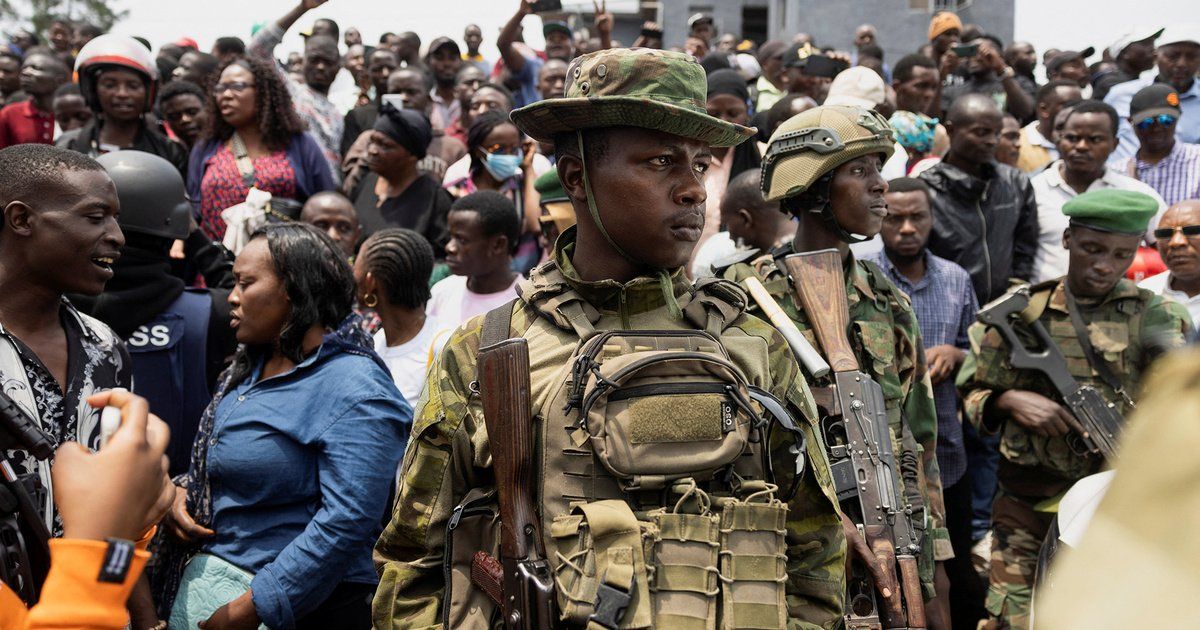
Both leaders acknowledged that the humanitarian toll of the conflict is staggering, with millions of people displaced and countless others facing dire conditions. They also recognized that the longer the conflict continues, the harder it will be to achieve lasting peace. Therefore, the urgency of their discussions was driven by a shared understanding that swift and decisive action is needed to prevent further loss of life and to pave the way for sustainable stability.
Both Ruto and Rubio agreed on one thing: military force alone cannot resolve the crisis. Instead, they emphasized the need for a multi-faceted approach rooted in diplomacy, economic support, and regional cooperation. They highlighted that military interventions often provide only temporary relief and can exacerbate underlying tensions if not paired with comprehensive diplomatic efforts.
The leaders discussed the importance of engaging all stakeholders in the region, including local governments, community leaders, and international organizations, to craft a holistic strategy that addresses both the immediate violence and the root causes of the conflict. By focusing on diplomatic solutions and sustainable development, they aim to create conditions that foster long-term peace and stability in the DRC and the broader region.

The talks highlighted a shared commitment to fostering peace through dialogue. Both leaders underscored the importance of urging warring factions in the DRC to lay down their arms and engage in negotiations. They also discussed strengthening diplomatic channels to ensure lasting stability. Ruto and Rubio believe that true peace cannot be imposed from the outside but must be built through inclusive dialogue and local ownership.
As part of their commitment, they proposed initiatives to bring together key players from across the region to engage in sustained negotiations. These efforts are designed to build trust, address grievances, and create a framework for reconciliation that can withstand future challenges. Additionally, both leaders recognized the critical role of regional organizations such as the African Union in facilitating these peace processes and providing ongoing support for conflict resolution efforts.
Beyond just talk, the meeting laid the groundwork for joint initiatives aimed at promoting reconciliation and supporting regional organizations working to de-escalate the conflict. This cooperative stance signals a larger international push to stabilize the DRC and prevent the conflict from spilling over into neighboring countries. The leaders also expressed a commitment to providing humanitarian aid and economic support to affected communities.
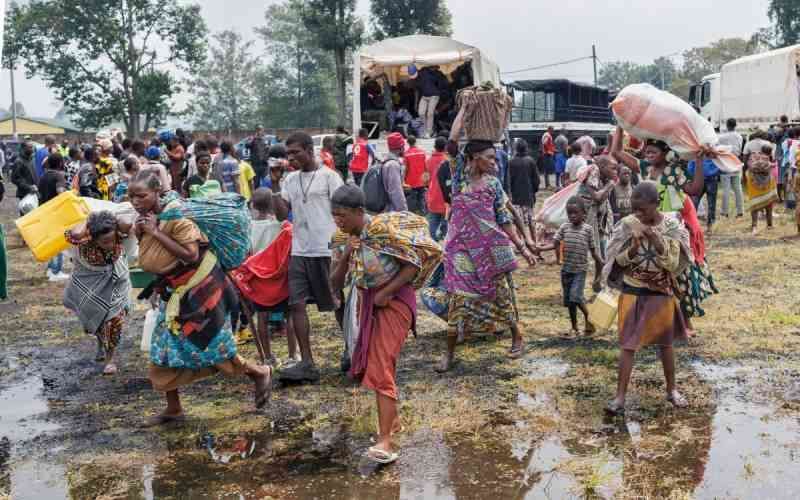
By addressing the immediate needs of those impacted by the conflict while simultaneously working toward long-term solutions, Ruto and Rubio aim to create a comprehensive peace framework that can endure beyond the current crisis. Their collaborative approach demonstrates a recognition that peace and security in the DRC are intertwined with broader regional stability and global interests.
At the core of these talks is a recognition that the DRC's crisis has far-reaching implications. Continued conflict threatens not only the region's security but also global economic interests tied to the DRC's vast mineral resources. The DRC is home to some of the world's most valuable minerals, including cobalt and coltan, which are essential for modern technology.
Disruption in this region affects global supply chains and could have far-reaching economic consequences. Beyond the economic stakes, prolonged instability in the DRC poses significant risks to neighboring countries, increasing the likelihood of cross-border violence and mass displacement. Ruto and Rubio's engagement reflects a growing awareness that without sustained international cooperation, the situation could spiral beyond control. Both leaders made it clear that failure to act decisively could lead to a prolonged humanitarian disaster and further destabilization across Central Africa.
Additionally, the conversation touched on the importance of empowering African-led solutions while maintaining strong global support. Both leaders acknowledged the necessity of balancing external assistance with regional ownership to ensure sustainable peace. They emphasized that long-term stability in the DRC cannot be achieved without the active participation and leadership of African nations.
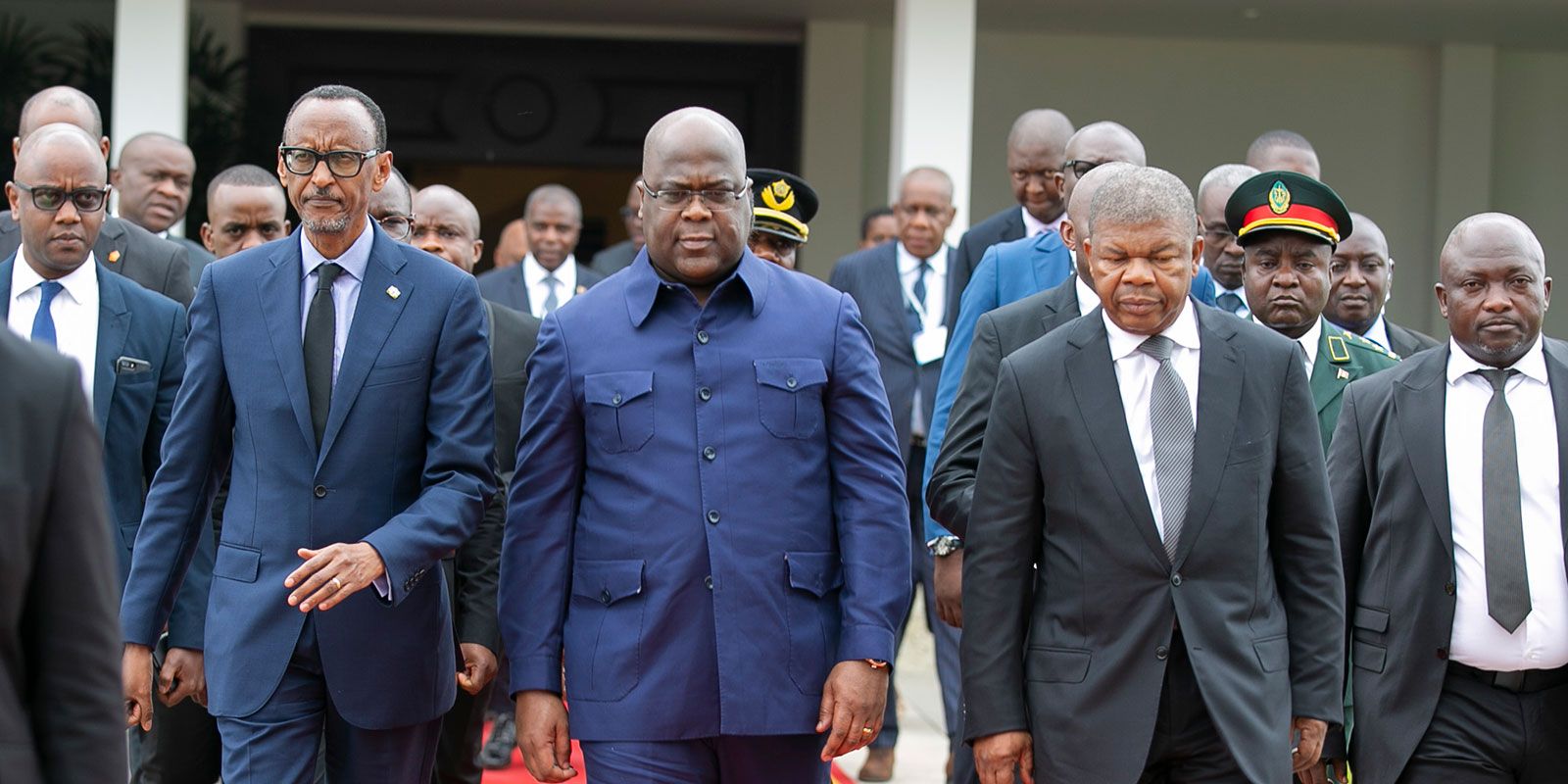
By supporting African-led initiatives and fostering regional cooperation, they hope to build a foundation for enduring peace that is rooted in local realities and supported by the international community. This approach aims to ensure that the solutions developed are not only effective but also sustainable over the long term.
The meeting signals a clear intention to escalate diplomatic efforts. In the coming months, both Kenya and the U.S. are expected to deepen their collaboration with other regional and international players to push for a comprehensive peace process. This includes coordinating with multilateral organizations, increasing humanitarian aid, and supporting local peacebuilding initiatives. Both Ruto and Rubio expressed a commitment to maintaining the momentum generated by their talks and translating their shared vision into concrete actions. Future steps may include convening regional summits, facilitating direct negotiations between conflicting parties, and enhancing support for peacekeeping missions on the ground.
While the DRC crisis remains complex and volatile, the Ruto-Rubio dialogue represents a critical step toward collective action. As the situation evolves, all eyes will be on how these diplomatic efforts unfold and whether they can deliver the much-needed stability. The coming months will be crucial in determining whether these high-level talks can translate into meaningful change. With both leaders signaling a strong commitment to sustained engagement, there is cautious optimism that their efforts could mark a turning point in the pursuit of peace in the DRC.





0 comments