
Your Read is on the Way
Every Story Matters
Every Story Matters
The Hydropower Boom in Africa: A Green Energy Revolution Africa is tapping into its immense hydropower potential, ushering in an era of renewable energy. With monumental projects like Ethiopia’s Grand Ethiopian Renaissance Dam (GERD) and the Inga Dams in the Democratic Republic of Congo, the continent is gearing up to address its energy demands sustainably while driving economic growth.
Northern Kenya is a region rich in resources, cultural diversity, and strategic trade potential, yet it remains underutilized in the national development agenda.

Can AI Help cure HIV AIDS in 2025

Why Ruiru is Almost Dominating Thika in 2025

Mathare Exposed! Discover Mathare-Nairobi through an immersive ground and aerial Tour- HD

Bullet Bras Evolution || Where did Bullet Bras go to?
Russian President Vladimir Putin’s latest overture for direct peace talks with Ukraine has landed with a mixture of intrigue, suspicion, and geopolitical calculation. After more than two years of devastating war that has redrawn borders, displaced millions, and turned Ukrainian cities into battlegrounds, the notion of diplomacy might seem like a lifeline. Yet the Russian proposal comes wrapped in a blanket of conditions that undermine its credibility as a genuine peace offer. Putin has signaled a new willingness to negotiate—but only on terms that reflect Moscow’s battlefield gains and strategic priorities, not mutual compromise.
This is not the first time the Kremlin has floated peace overtures. However, what makes this moment different is the combination of timing, tone, and the sharp rhetoric aimed at reshaping Ukraine’s future—not just its territory, but its political alignment and national identity. The proposal is not being presented from a position of defeat or even stalemate, but from a posture of consolidation, as Russia seeks to transform temporary occupations into permanent facts on the ground.
Putin’s definition of peace is, in many ways, an ultimatum cloaked in diplomacy. The Russian president is demanding Ukraine withdraw from four regions—Donetsk, Luhansk, Kherson, and Zaporizhzhia—where Russian forces currently maintain control or claim authority through staged referenda. These regions are of immense geopolitical and economic importance, forming a land bridge to Crimea and granting Russia access to key industrial hubs and energy resources.
In addition to this territorial surrender, Russia insists that Ukraine formally abandon its pursuit of NATO membership. This demand strikes at the heart of Kyiv’s long-term security doctrine and is deeply entwined with Ukraine’s post-2014 identity shift toward the West. To accept such terms would be to legitimize not only the territorial annexations but also the broader narrative that Ukraine cannot determine its own alliances or future without Moscow’s approval. These conditions essentially ask Ukraine to invalidate the sacrifices of its soldiers and citizens. They create a framework where peace would come at the cost of sovereignty—a political surrender in exchange for a temporary pause in conflict.
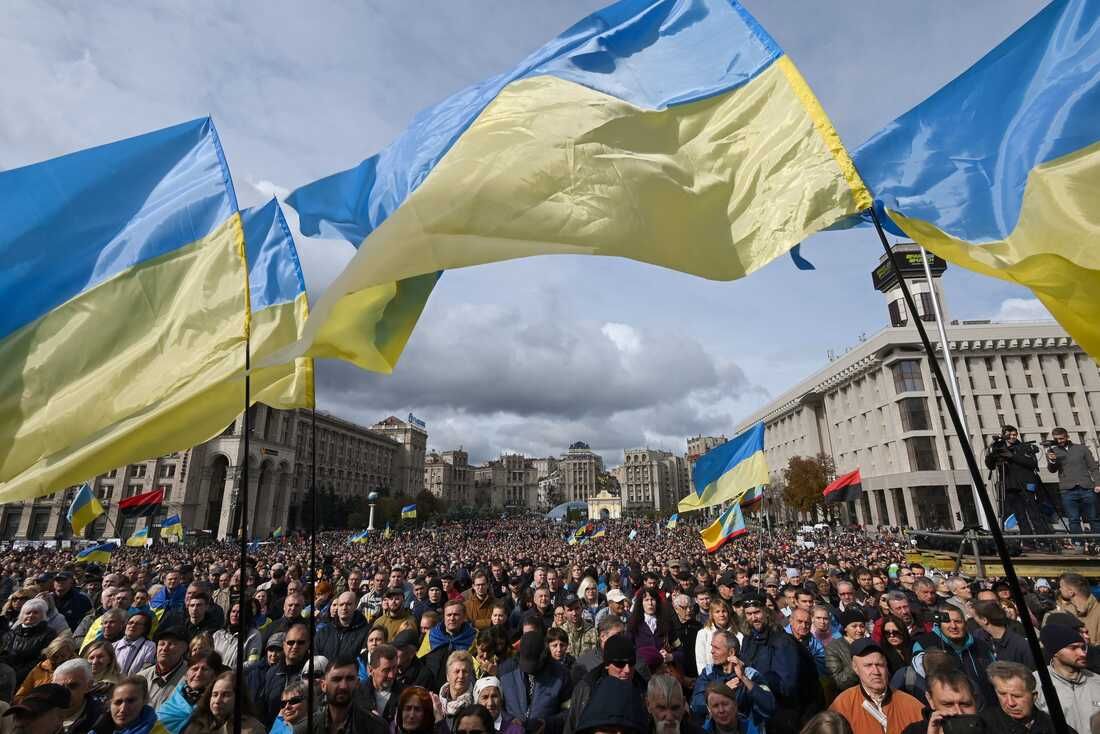
Unsurprisingly, Ukraine’s response has been firm and unequivocal. Ukrainian officials view Putin’s proposal not as a roadmap to peace but as a prelude to further dismemberment. The idea that a nation under attack should reward the aggressor with territory and geopolitical concessions is antithetical to the principles Ukraine has fought for since the invasion began.
Moreover, agreeing to these conditions could destabilize President Zelensky’s government and fracture national unity. In the eyes of the Ukrainian public and military, a deal that cedes territory is not peace—it’s defeat disguised in diplomacy. Any negotiations that begin with demands for withdrawal, especially from regions that are culturally and historically intertwined with Ukraine’s identity, are seen as a trap. For many in Kyiv, the timing of Russia’s “offer” is tactical: a signal to Western audiences more than to Ukrainian ones, timed to exploit war fatigue abroad.
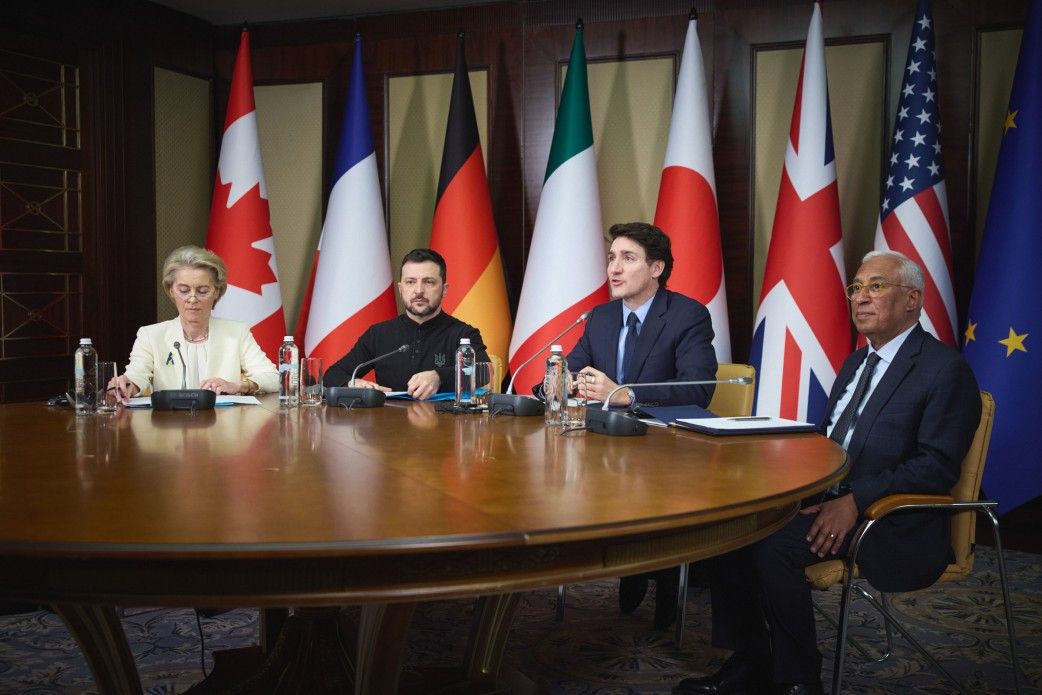
Among Ukraine’s Western allies, reactions to Putin’s peace signal have ranged from cautious interest to overt skepticism. On the surface, any diplomatic breakthrough could be a welcome respite from a prolonged and bloody conflict. However, many in Europe and the United States see this as a classic Russian strategy—use peace talks to regroup, reframe the narrative, and fracture international support for Ukraine.
Some voices in the West have quietly begun floating uncomfortable ideas, such as Ukraine remaining neutral or foregoing NATO membership. While not official policy, such suggestions reveal underlying tension among Ukraine’s supporters—torn between long-term strategic commitments and the desire to end the war. Yet any peace settlement that grants legitimacy to military aggression may come at a steep cost: a blow to the rules-based international order and a dangerous precedent for future conflicts.
In essence, Putin’s peace overture has put Western unity to the test. Supporters of Ukraine must now walk a tightrope—balancing hopes for diplomacy with the risks of being manipulated by it.
Just days before the proposal, a brief Easter ceasefire had momentarily calmed the front lines. But the lull quickly evaporated as shelling resumed. The breakdown of the truce highlighted the deep mistrust between the two sides and served as a reminder that words without action mean little in a war defined by broken promises.
This short-lived truce was supposed to be a sign of goodwill. Instead, it became a microcosm of the entire conflict: gestures followed by gunfire, rhetoric followed by reality. If the Easter ceasefire couldn’t hold, how can more ambitious peace talks gain traction—especially when they begin with demands rather than mutual respect?
At its core, Putin’s peace pitch is more of a strategic move than a diplomatic breakthrough. It seeks to reshape the battlefield not through tanks, but through terms. For Moscow, this is a chance to cement territorial gains without further military cost. For Kyiv, it’s a red line, not a green light. And for the international community, it’s a test of values versus convenience.
As the conflict drags on, the appetite for resolution is growing—but the conditions for peace remain elusive. What’s being offered is not a bridge toward coexistence, but a demand for compromise on sovereignty itself. Unless that fundamental imbalance is addressed, peace will remain a distant concept—trapped between battlefield realities and geopolitical ambition.






0 comments