
Your Read is on the Way
Every Story Matters
Every Story Matters
The Hydropower Boom in Africa: A Green Energy Revolution Africa is tapping into its immense hydropower potential, ushering in an era of renewable energy. With monumental projects like Ethiopia’s Grand Ethiopian Renaissance Dam (GERD) and the Inga Dams in the Democratic Republic of Congo, the continent is gearing up to address its energy demands sustainably while driving economic growth.
Northern Kenya is a region rich in resources, cultural diversity, and strategic trade potential, yet it remains underutilized in the national development agenda.

Can AI Help cure HIV AIDS in 2025
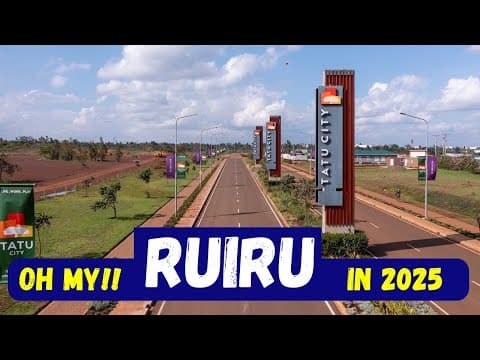
Why Ruiru is Almost Dominating Thika in 2025
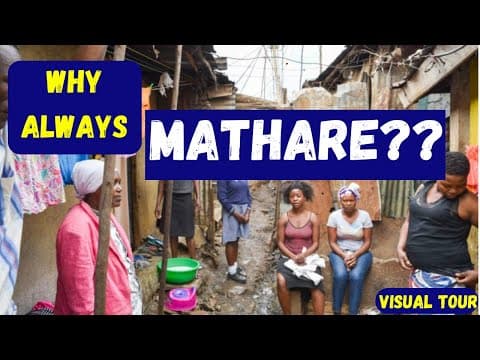
Mathare Exposed! Discover Mathare-Nairobi through an immersive ground and aerial Tour- HD

Bullet Bras Evolution || Where did Bullet Bras go to?
It is with heartbreak and gravitas that the literary world mourns the passing of Ngũgĩ wa Thiong’o, an intellectual juggernaut who transformed not only how Africa tells its stories but how Africa sees itself. He didn’t just write books—he wrote back to empire, defied the erasure of African identity, and demanded, without apology, that language, culture, and resistance be reclaimed.
At 87, he passed away in Atlanta, far from his Gikuyu homeland, but close in spirit to the millions who felt his pen ignite rebellion in their souls. For some, he was a novelist. For others, a philosopher. For many, he was a teacher whose chalk lines were drawn not on blackboards, but on the bones of colonial history.
Ngũgĩ began as a rising English-language author, publishing classics like Weep Not, Child, The River Between, and A Grain of Wheat. But his path soon diverged from the Western-academic acclaim that beckoned. He rejected English as the language of African literature—not out of elitism, but survival. Language, he argued, is not neutral. It carries the memory of conquest, of domination. To continue writing in English was to concede ground to the colonizer.
So, he did what few dared: he switched. He began writing in Kikuyu, his mother tongue, and insisted African stories be told in African languages. In doing so, he lit a fire that still smolders in pan-African literary circles, classrooms, and rural storytelling spaces.
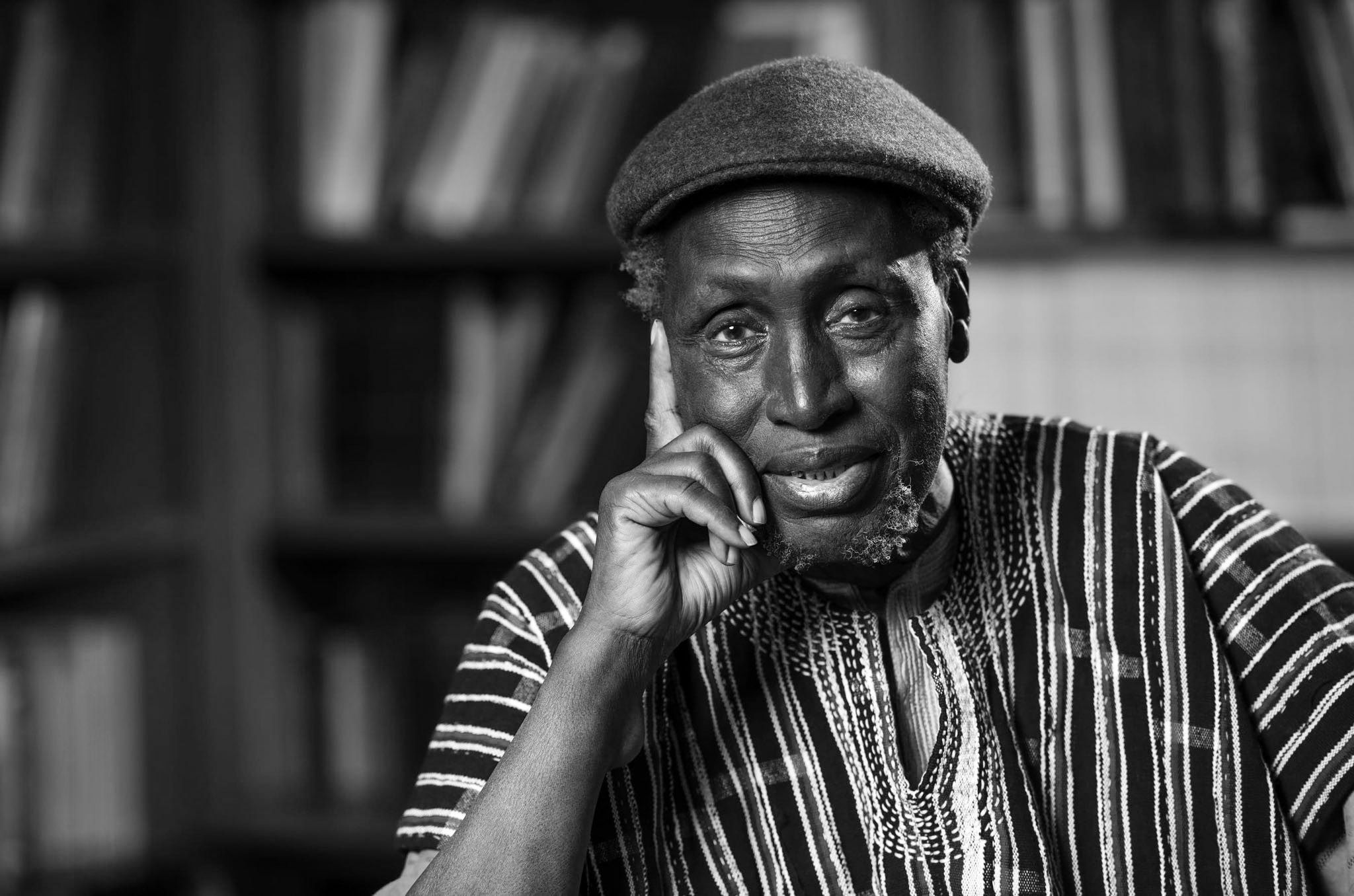
Ngũgĩ didn’t only challenge literary convention—he confronted regimes. After co-writing Ngaahika Ndeenda (“I Will Marry When I Want”), a play exposing the corruption and class oppression in post-independence Kenya, he was arrested and detained without trial in 1977. But even in prison, Ngũgĩ’s words refused silence.
He wrote the first modern novel in Kikuyu, Devil on the Cross, on prison-issued toilet paper. That act alone became a metaphor for resistance—turning degradation into a tool of defiance.
From Decolonising the Mind to Wizard of the Crow, Ngũgĩ refused to let African identity be boxed into colonial binaries. He redefined African intellectualism, demanding the continent narrate its pain, its joy, and its future—on its own terms.
He was a professor at Yale, NYU, and UC Irvine, but he never abandoned his cultural and political responsibilities to the continent. His lectures were not ivory tower abstractions—they were strategies for mental liberation.
To the younger generation, Ngũgĩ was more than a literary icon. He was a compass in a disoriented world. A reminder that literature can agitate, that storytelling can be subversive, that the written word could still make governments tremble.
He taught us that language is political, that memory is power, and that the African story need not seek permission. He turned African languages into swords and shields—tools of both defense and dignity.
As tributes flow—from poets and presidents, from readers and radicals—there is a common thread: Ngũgĩ never wrote for comfort. He wrote to provoke. He wrote to dismantle. He wrote so that the child in a forgotten village might know that her tongue is as worthy as any colonial master's.
Ngũgĩ wa Thiong’o is dead. But the revolution he shaped through syllables and syntax is alive. His words will echo in classrooms, political rallies, literary salons, and whispered prayers in many tongues. He may have been buried far from the Kenyan highlands, but the soil of the African spirit cradles him still.
Mwalimu Ngũgĩ, as many called him, never saw literature as mere art. It was a battle cry. And though his voice is now still, the battle continues—with his books in hand and his spirit guiding us forward.
Let the world remember: he didn’t just tell African stories. He reclaimed them. He defended them. He freed them.





0 comments