
Your Read is on the Way
Every Story Matters
Every Story Matters
The Hydropower Boom in Africa: A Green Energy Revolution Africa is tapping into its immense hydropower potential, ushering in an era of renewable energy. With monumental projects like Ethiopia’s Grand Ethiopian Renaissance Dam (GERD) and the Inga Dams in the Democratic Republic of Congo, the continent is gearing up to address its energy demands sustainably while driving economic growth.
Northern Kenya is a region rich in resources, cultural diversity, and strategic trade potential, yet it remains underutilized in the national development agenda.

Can AI Help cure HIV AIDS in 2025

Why Ruiru is Almost Dominating Thika in 2025

Mathare Exposed! Discover Mathare-Nairobi through an immersive ground and aerial Tour- HD

Bullet Bras Evolution || Where did Bullet Bras go to?
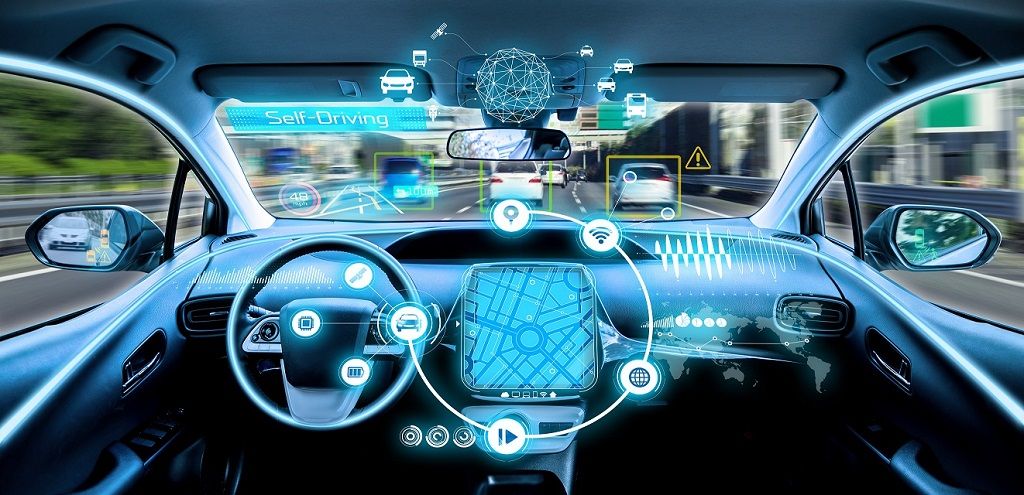
While the world watches Tesla, Mercedes-Benz, and BMW compete in the self-driving car race, a quiet revolution is taking place behind the scenes. Chinese tech giant Hesai has emerged as a dominant force in lidar technology, a critical component in autonomous vehicle navigation. Despite geopolitical tensions and trade restrictions, global automakers are increasingly turning to Hesai for its low-cost, high-performance sensors, setting the stage for a major shift in the automotive industry.
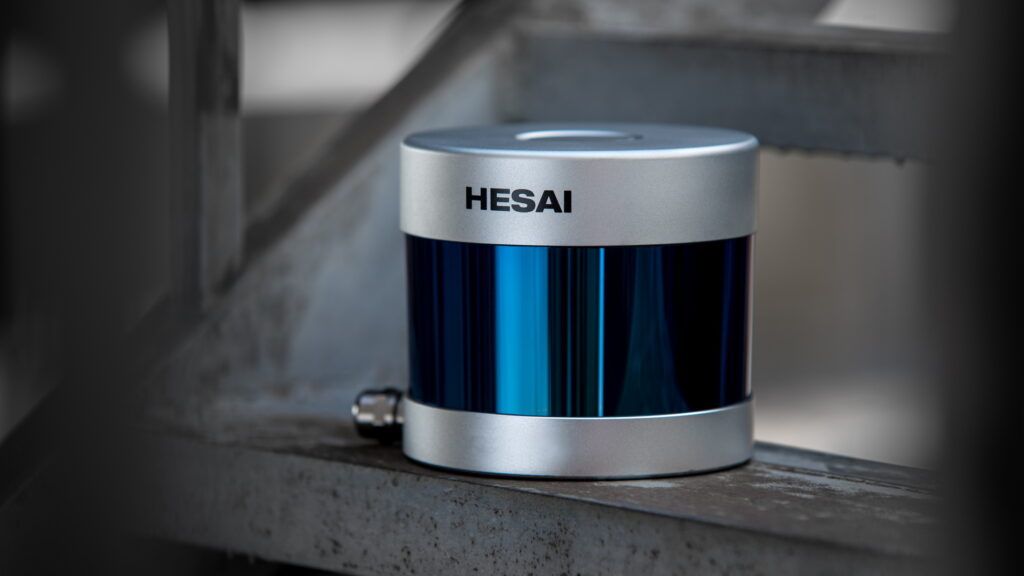
Lidar, or Light Detection and Ranging, is a technology that uses laser beams to create detailed 3D maps of a vehicle’s surroundings. It plays a crucial role in self-driving systems, helping cars detect obstacles, pedestrians, and other vehicles. While companies like Luminar in the U.S. have long been key players in the lidar market, a surprising new leader has emerged—Hesai, a Shanghai-based manufacturer that has rapidly scaled its production to become the world’s largest lidar supplier.
For months, executives at Mercedes-Benz debated whether to incorporate Chinese-made sensors into their global vehicle lineup. The decision was fraught with political and legal risks, as the United States and Europe have been increasing pressure on automakers to avoid Chinese technology. However, in the end, economic realities won out. Mercedes-Benz quietly finalized a deal with Hesai, marking the first time a foreign automaker has chosen Chinese-made lidar for vehicles sold outside of China.
The U.S. has been actively discouraging the use of Chinese components in advanced vehicles, citing security risks and the potential for foreign control over critical technology. Yet, European automakers, particularly German manufacturers, are facing their own economic struggles. With high inflation, slowing demand, and fierce competition from Tesla and Chinese electric vehicle (EV) companies, they are under immense pressure to cut costs while maintaining innovation.
To mitigate the risks of potential trade restrictions, Hesai has been expanding its global footprint. The company is in the process of setting up production lines outside of China, with plans to launch them as early as next year. While the exact location has not been disclosed, industry experts speculate that Hesai may establish facilities in Southeast Asia or Europe to ease supply chain concerns and reduce dependency on China-based manufacturing.
One of the most significant trends in the automotive industry is the dramatic decline in the cost of lidar sensors. Once considered an expensive luxury only found in high-end autonomous vehicles, lidar is now becoming an affordable component in mass-market cars. Hesai’s ATX lidar sensor, for example, costs around $200 per unit—cheaper than seatbelts and airbags.
As the cost of lidar continues to fall, more automakers will integrate it into their vehicles, accelerating the adoption of advanced driver-assistance systems (ADAS) and semi-autonomous driving features. In a few years, lidar may become as common as rearview cameras, fundamentally changing how cars navigate roads and interact with their environment.
The rise of Hesai and other Chinese tech firms in the smart car industry is reshaping the global automotive landscape. Traditionally, automakers relied on American and European suppliers for cutting-edge components, but the balance is shifting. With Chinese companies now leading in key areas like EV batteries, AI-powered software, and lidar sensors, Western automakers are being forced to rethink their supply chains.
Yet, for now, automakers are prioritizing efficiency over politics. If Hesai can continue offering superior technology at unbeatable prices, it will be difficult for global manufacturers to ignore—even if they must navigate complex geopolitical challenges to do so.
The auto industry is at a crossroads. On one side, technological advancements in lidar, AI, and battery technology are pushing cars closer to full autonomy. On the other side, trade wars, political tensions, and regulatory battles threaten to slow down progress. Automakers are caught in the middle, forced to choose between technological superiority and the shifting demands of global politics.
For now, one thing is certain: the invisible technology powering the next generation of vehicles is no longer confined to Silicon Valley or German engineering labs. Instead, it is being shaped in unexpected places, with Chinese lidar at the forefront of a revolution that few saw coming.






0 comments