
Your Read is on the Way
Every Story Matters
Every Story Matters
The Hydropower Boom in Africa: A Green Energy Revolution Africa is tapping into its immense hydropower potential, ushering in an era of renewable energy. With monumental projects like Ethiopia’s Grand Ethiopian Renaissance Dam (GERD) and the Inga Dams in the Democratic Republic of Congo, the continent is gearing up to address its energy demands sustainably while driving economic growth.
Northern Kenya is a region rich in resources, cultural diversity, and strategic trade potential, yet it remains underutilized in the national development agenda.

Can AI Help cure HIV AIDS in 2025

Why Ruiru is Almost Dominating Thika in 2025

Mathare Exposed! Discover Mathare-Nairobi through an immersive ground and aerial Tour- HD

Bullet Bras Evolution || Where did Bullet Bras go to?
In the policy reversal, BP has scrapped its pledge to reduce oil production by 25% by 2030, instead ramping up investment in fossil fuels. The company will now inject over $10 billion annually into oil and gas—two-thirds of its total capital expenditure—while slashing clean energy funding by more than $5 billion per year.
This pivot comes after BP’s dismal financial performance, with net profits plummeting by 97%. Pressured by investors to restore its share value, the company is prioritizing short-term gains over long-term sustainability. Part of its financial recovery strategy includes selling off $20 billion in assets by 2027, including a potential sale of its Castrol lubricants division. Additionally, BP is targeting $2 billion in cost savings, already cutting 4,700 jobs.
BP remains a profitable company, but its earnings have been highly volatile. In the past year, the company’s net profits crashed by 97%, a staggering decline that forced it to rethink its business strategy. Like many major oil corporations, BP's profitability is closely tied to market fluctuations, geopolitical tensions, and global energy demand. The recent financial downturn has pushed BP to prioritize stability, cutting costs and focusing on high-return investments in oil and gas. While this shift may help the company recover, it also raises concerns about its long-term financial health and commitment to sustainable energy solutions.

BP has significantly reduced its investment in renewable energy, despite previously pledging to transition towards cleaner fuel sources. While it continues to fund wind, solar, and hydrogen projects, its financial commitment has dropped sharply. BP argues that its previous investments in renewables did not yield the expected financial returns, making it difficult to justify maintaining high spending in this area. Instead, the company is adopting a more cautious approach, focusing on traditional energy sources that generate immediate revenue. This shift has drawn criticism from environmental groups, who argue that BP is backtracking on its climate promises at a time when urgent action is needed.
Rather than moving away from oil, BP is doubling down on fossil fuel production. The company has abandoned its ambitious plans to cut oil production and is instead increasing investments in the sector. This decision is largely driven by growing global energy demand, particularly in developing countries where reliance on oil and gas remains strong. With rising energy costs and geopolitical uncertainties affecting supply chains, BP sees an opportunity to strengthen its position in the traditional energy market. However, this move contradicts global efforts to transition to a low-carbon economy, and critics argue that BP is prioritizing short-term profits over long-term environmental responsibility.
One of the biggest drivers behind BP’s shift in strategy is pressure from its shareholders. Investors have grown increasingly concerned about the company’s financial struggles, demanding a focus on profitability rather than long-term sustainability goals. Many argue that BP’s previous green energy investments did not generate adequate returns, making oil and gas a more attractive option. This shift highlights a broader trend in the energy industry, where financial pressures often outweigh climate commitments. While BP claims it remains dedicated to reducing emissions, the reality is that investor demands are steering the company’s future, placing profits above environmental concerns.
BP’s return to oil and gas sends a strong signal to the global energy market. Other major oil companies may see BP’s decision as validation that renewables are not yet financially viable at scale. This could slow down investment in clean energy across the industry, as corporations prioritize immediate revenue over long-term sustainability. Additionally, BP’s decision may influence government policies, potentially leading to reduced pressure on fossil fuel companies to transition to greener alternatives. If other energy giants follow BP’s lead, the global shift toward cleaner energy could face significant setbacks.
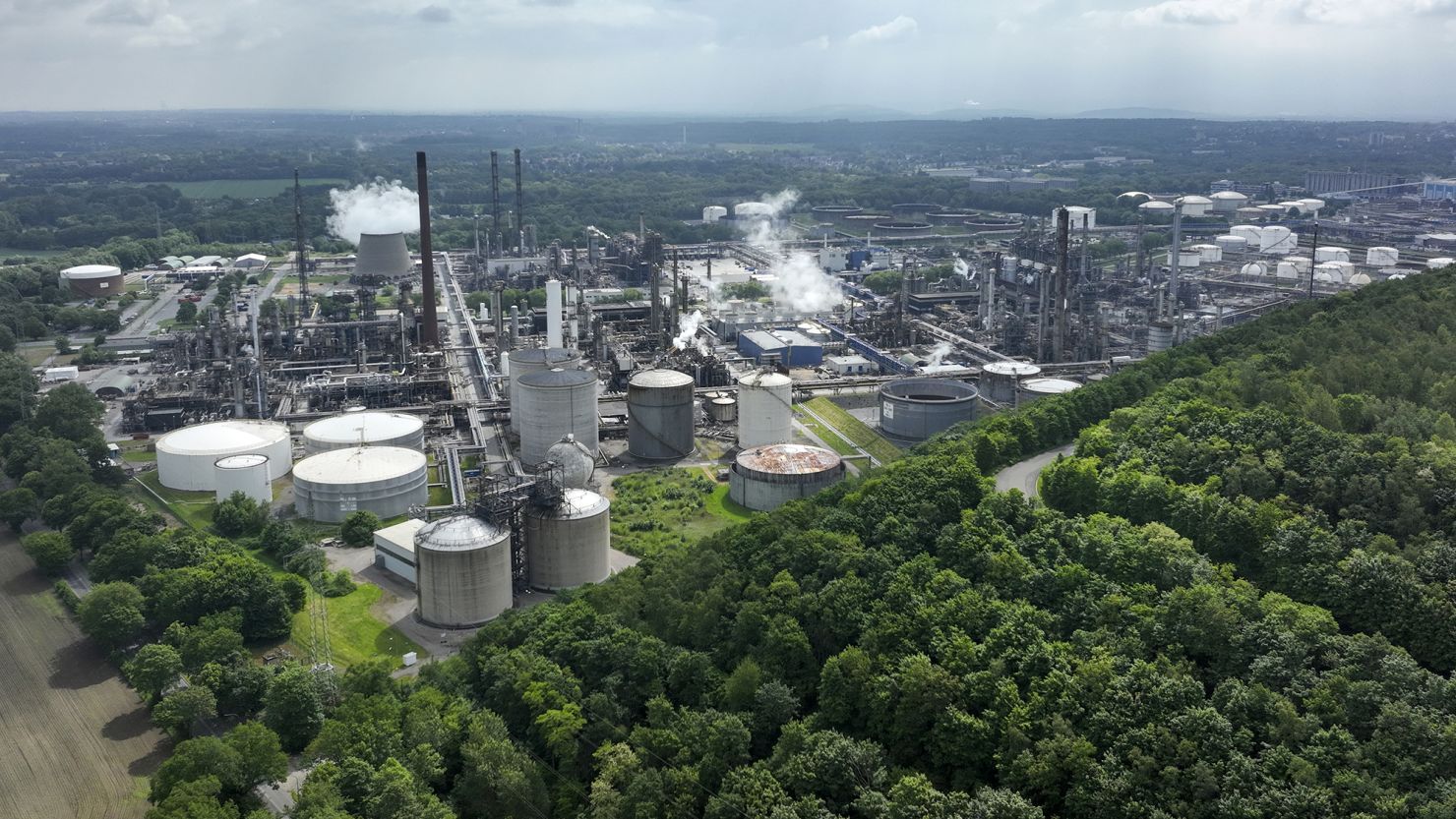
BP’s decision to scale back its green energy commitments raises serious concerns about climate change efforts. As one of the world’s largest energy companies, BP has a major influence on carbon emissions and global energy consumption. Its retreat from sustainability initiatives could weaken international efforts to combat climate change, especially if other companies adopt similar strategies. Environmental groups warn that BP’s shift undermines the Paris Agreement goals, making it more difficult to limit global warming. While governments and organizations continue to push for clean energy solutions, BP’s focus on fossil fuels could slow down progress toward a more sustainable future.
The big question now is whether BP can strike a balance between profitability and sustainability. The company argues that it is simply adapting to market realities and that it remains committed to reducing emissions over time. However, cutting billions in clean energy funding suggests otherwise. If BP wants to maintain its reputation as a leader in the energy sector, it will need to find ways to invest in renewables while still generating strong financial returns. The challenge lies in proving that green energy can be both profitable and scalable—a task that BP seems unwilling to fully commit to at this stage.
BP’s future will largely depend on how global energy markets evolve. If oil and gas prices remain high, BP’s decision could prove financially successful. However, if governments impose stricter regulations on fossil fuels or if renewable energy technology advances more rapidly, BP may find itself falling behind competitors who stayed committed to green energy. For now, the company is betting on oil and gas as its primary revenue source, but the long-term implications of this decision remain uncertain. Investors and environmentalists alike will be watching closely to see if BP’s gamble pays off or backfires.
BP’s strategic shift represents a critical moment in the global energy transition. While financial realities may have influenced its decision, the broader consequences could be far-reaching. As climate concerns grow and renewable technologies advance, BP’s reluctance to fully embrace clean energy may ultimately limit its ability to compete in a changing market. The question remains: is BP securing its future, or setting itself up for long-term challenges? Only time will tell.






0 comments