
Your Read is on the Way
Every Story Matters
Every Story Matters
The Hydropower Boom in Africa: A Green Energy Revolution Africa is tapping into its immense hydropower potential, ushering in an era of renewable energy. With monumental projects like Ethiopia’s Grand Ethiopian Renaissance Dam (GERD) and the Inga Dams in the Democratic Republic of Congo, the continent is gearing up to address its energy demands sustainably while driving economic growth.
Northern Kenya is a region rich in resources, cultural diversity, and strategic trade potential, yet it remains underutilized in the national development agenda.

Can AI Help cure HIV AIDS in 2025

Why Ruiru is Almost Dominating Thika in 2025

Mathare Exposed! Discover Mathare-Nairobi through an immersive ground and aerial Tour- HD

Bullet Bras Evolution || Where did Bullet Bras go to?
Kenya is doubling down on infrastructure as the driving force behind its economic ambitions, setting the stage for a new era of connectivity, trade, and tourism. With the long-awaited Malindi International Airport expansion and the extension of the Standard Gauge Railway (SGR) underway, these projects are now firmly positioned as cornerstones of Kenya Vision 2030 infrastructure goals. But the path forward is anything but smooth, with deep-seated challenges threatening progress at every turn.
Once celebrated as a key entry point for tourists flocking to Kenya’s coastline, Malindi International Airport has struggled under the weight of outdated infrastructure and insufficient capacity. After years of stalled promises, the government is finally making a decisive move to expand the airport, committing KSh 5 billion towards a massive upgrade.
The project’s blueprint includes extending the runway to 2,500 meters, installing a secure perimeter fence, and constructing a modern parking facility to accommodate 500 vehicles. Beyond aesthetics, these enhancements are crucial to prevent future tragedies like the devastating plane crash that took three lives—a direct result of the airport’s notoriously short runway.
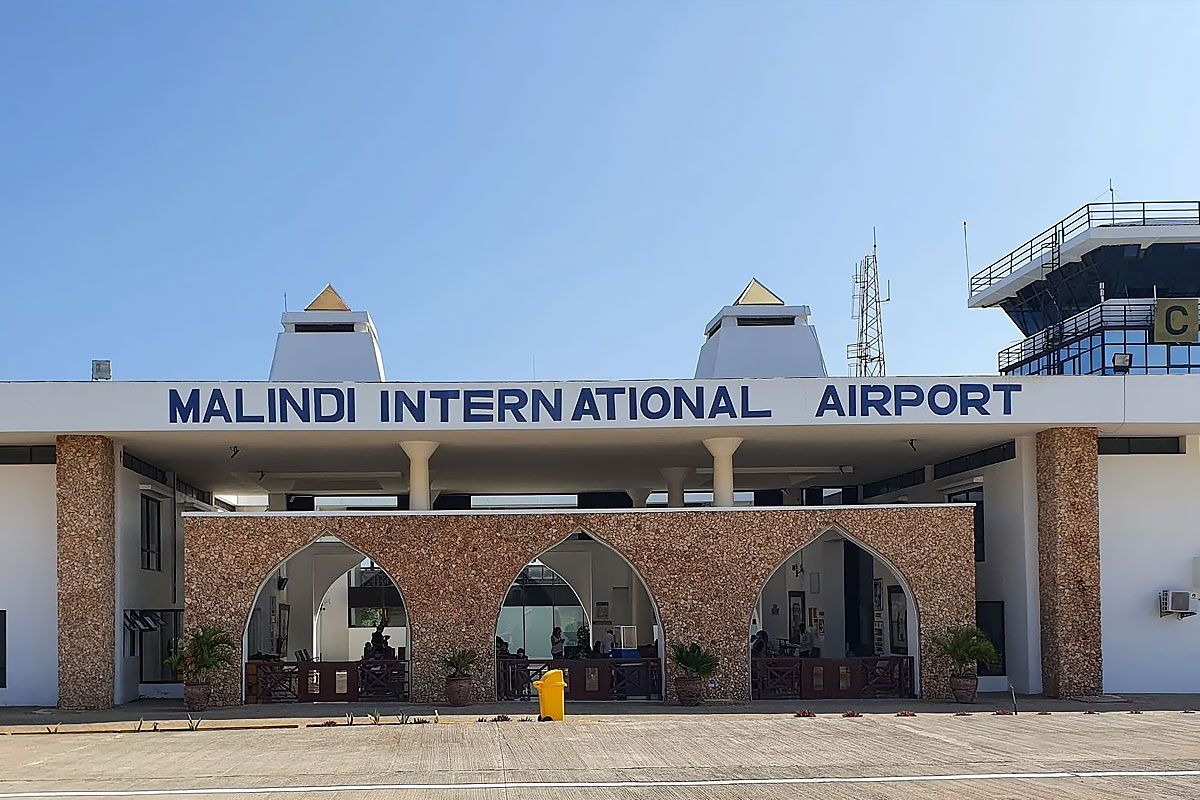
For Malindi residents and business owners, the airport’s revival isn’t just about safety. It’s about unlocking the region’s full tourism potential with direct international flights and creating fresh economic opportunities in hospitality, retail, and services. But there’s a catch: land disputes are once again rising to the surface, as affected property owners clash with the government over compensation terms.
While Malindi’s skies prepare for takeoff, Kenya's rails are also on track for a major upgrade. Phase 2A of the Standard Gauge Railway is set to extend from Naivasha to Malaba, forging critical links with Uganda, Rwanda, South Sudan, and the DRC. Backed by KSh 648 billion in funding from the Chinese government, the railway is more than just steel and tracks—it’s a strategic artery aimed at streamlining cross-border trade and reducing transport costs for cargo and passengers alike.
This bold railway extension fits neatly into the broader ambitions of Kenya Vision 2030, promising regional dominance through efficient logistics, enhanced trade, and improved mobility. However, the challenges echo those facing Malindi's airport: the process of land acquisition has already sparked resistance, as communities demand fair compensation and transparency.
Despite the big dreams attached to these projects, Kenya continues to grapple with familiar obstacles that have plagued infrastructure ventures for years. Among the most pressing are:
These ongoing issues threaten not just the speed of implementation, but the overall success of Kenya’s grand infrastructural vision. Without decisive action to address these recurring setbacks, even the most promising projects risk falling short of their potential.
At the heart of it all lies Kenya Vision 2030, a national strategy designed to transform Kenya into a globally competitive, industrializing middle-income country. Infrastructure is the backbone of this dream, and projects like the Malindi Airport expansion and the SGR extension are among the most high-profile symbols of that ambition.
If executed successfully, these ventures could catapult Kenya to the forefront of East African trade, tourism, and investment. Malindi could become a coastal hub for international travelers, while the railway could move billions in cargo across the region, cutting costs and boosting trade like never before.
But time is running out. With Vision 2030 now closer than ever, Kenya must decide whether it can overcome the political, financial, and logistical challenges that have historically derailed progress—or risk watching its boldest dreams slip away.





0 comments